


Psychotropic Drugs in Dermatology Part 1: Anti-depressants and Mood Stabilisers
- PMID: 39896303
- PMCID: PMC11784973
- DOI: 10.4103/ijd.ijd_792_23
Psychotropic Drugs in Dermatology Part 1: Anti-depressants and Mood Stabilisers
Abstract
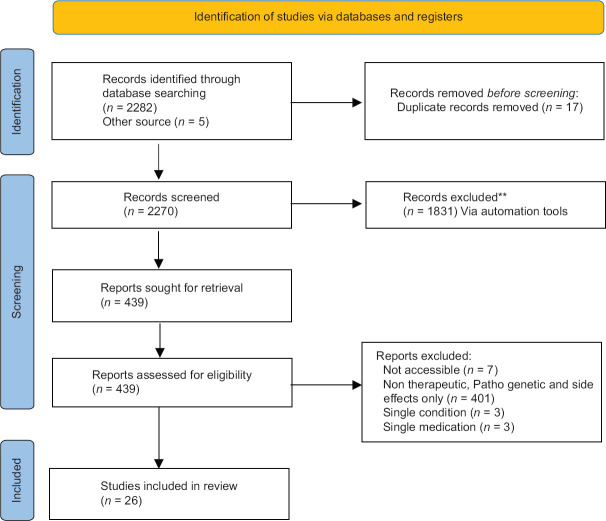
Psycho-dermatology is an evolving speciality of psychosomatic medicine where psychological factors play a role in initiating and/or exacerbating the dermatological conditions. Dermatologists should be well versed with the basic pharmacotherapy of psycho-cutaneous disorders and work in close liaison with the psychiatrists when it comes to the holistic management of the same. The review has been divided into two parts, with part 1 consisting of anti-depressants and mood stabilisers and part 2 consisting of anti-psychotics, anxiolytics, and sedative-hypnotic agents used in psycho-dermatology. This comprehensive review focusses on the various psychotropic drugs which are of paramount significance to the dermatologists. The knowledge of these drugs will lead to the pertinent treatment of the psychiatric dermatoses, which has been a less explored territory in the arena of dermatology. Within the realm of psycho-dermatology, a diverse array of anti-depressants is utilised to address psychiatric dermatoses. These include selective serotonin reuptake inhibitors like citalopram, escitalopram, fluoxetine, fluvoxamine, paroxetine, and sertraline, alongside selective serotonin norepinephrine reuptake inhibitors such as venlafaxine, desvenlafaxine, and duloxetine. Additionally, norepinephrine dopamine reuptake inhibitors like bupropion; tricyclic antidepressants including doxepin, amitriptyline, imipramine, and clomipramine; and tetracyclic antidepressants like mirtazapine are commonly employed. Supplementary medications like anti-convulsants (e.g., gabapentin and pregabalin) further enrich the therapeutic landscape in psycho-dermatology. The approach to treatment in psycho-dermatology is meticulous, starting with a precise psychiatric diagnosis and followed by tailored drug interventions. Factors such as individual response, side-effect profiles, potential drug interactions, and concurrent medical conditions guide the selection and titration of medications. Typically, treatment initiates at conservative doses, with adjustments made based on patient progress and tolerability. This comprehensive review not only illuminates the psycho-cutaneous indications of these medications including in patients with co-morbidties but also underscores the imperative of vigilant monitoring for adverse effects and its management. This systematic review aimed to evaluate the use of psychotropic medications, including antidepressants and mood stabilizers, in dermatology. A comprehensive search of PubMed Central was conducted for studies published between 1986 and 2023, focusing on meta-analyses, reviews, and systematic reviews. After screening 2287 records, 26 studies met the inclusion criteria. The findings underscore the potential role of psychotropic drugs in managing dermatological conditions, highlighting the need for further research to strengthen the evidence base in psycho-dermatology.
Keywords: Anti-depressants; SNRI; SSRI; TCA; anxiolytics; mood stabilisers; psychotropic drugs.
Copyright: © 2024 Indian Journal of Dermatology.
Conflict of interest statement
There are no conflicts of interest.
Figures
References
-
- Koo JYM, Lee CS. General approach to evaluating psychodermatological disorders. In: Koo JYM, Lee CS, editors. Psychocutaneous Medicine. New York, NY: Marcel Dekker, Inc; 2003. pp. 1–29.
-
- O’Sullivan RL, Lipper G, Lerner EA. The neuro-immunocutaneous-endocrine network: Relationship of mind and skin. Arch Dermatol. 1998;134:1431–5. - PubMed
-
- Jafferany M, Stamu-O’Brien C, Mkhoyan R, Patel A. Psychotropic drugs in dermatology: A dermatologist's approach and choice of medications. Dermatol Ther. 2020;33:e13385. - PubMed
-
- Lee CS, Koo J. Psychocutaneous drug therapy. Semin Cutan Med Surg. 2003;22:222–33. - PubMed
-
- Lee CS, Accordino R, Howard J, Koo J. Psychopharmacology in dermatology. Dermatol Ther. 2008;21:69–82. - PubMed
Publication types
LinkOut - more resources
Full Text Sources
Miscellaneous