


Classification of Chronic Dizziness Using Large Language Models
- PMID: 39897102
- PMCID: PMC11782766
- DOI: 10.1007/s41666-024-00178-1
Classification of Chronic Dizziness Using Large Language Models
Abstract
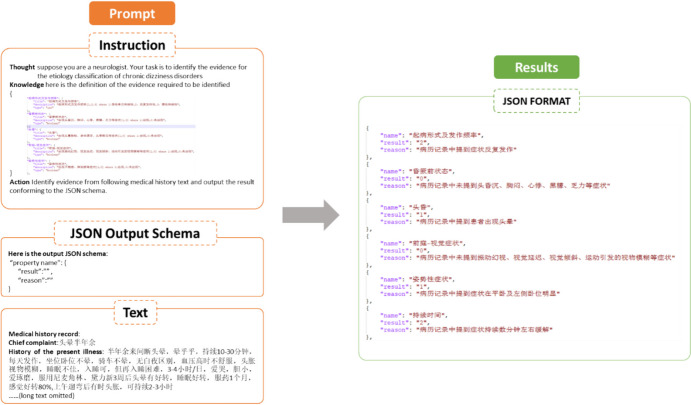
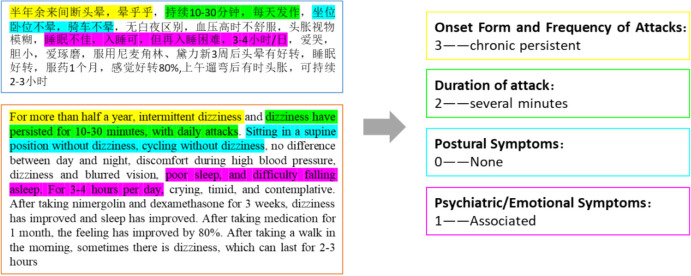
Efficiently classifying chronic dizziness disorders, including persistent postural-perceptual dizziness (PPPD), anxiety, and depressive disorders, is crucial, particularly in primary healthcare settings. This study introduces DizzyInsight, an innovative etiological classification model, designed to enhance the accuracy and reliability of large language model (LLM) and machine learning approaches for etiological classification of chronic dizziness. Eight physicians specializing in chronic dizziness diagnosis, affiliated with the Clinical Center for Vertigo and Balance Disturbance at Beijing Tiantan Hospital, Capital Medical University, furnished comprehensive definitions and evaluations of chronic dizziness characteristics. The study included 260 patients, consisting of 105 males and 155 females, with a mean age of 59.52 ± 13 years. These patients were recruited from the same center between July 2021 and October 2023. For comparative analysis, we utilized the general models bidirectional encoder representations from transformers (BERT) and LLM to assess different outcomes. Seven major categories and 33 subcategory evidence have been defined for etiological classification of chronic dizziness. With DizzyInsight, we constructed the feature dataset regarding chronic dizziness. The DizzyInsight based on the identified evidence of LLM method yielded a positive predictive value of 0.69, a sensitivity of 0.86 for persistent postural-perceptual dizziness (PPPD), a positive predictive value of 0.81, and a sensitivity of 0.66 for anxiety and depressive disorders. These findings highlight the potential of DizzyInsight leveraging LLM to improve the efficacy and interpretability of machine learning models in etiological classification of chronic dizziness disorders. Further research and model development are necessary to improve the accuracy of evidence identification and assess the applicability of DizzyInsight in primary care settings, as well as to evaluate its external validity.
Keywords: Anxiety and depressive disorders; Chronic dizziness; Decision support; Etiological classification; Persistent postural-perceptual dizziness (PPPD).
© The Author(s) 2024.
Conflict of interest statement
Competing InterestsThe authors declare no competing interests.
Figures

References
LinkOut - more resources
Full Text Sources