


Using ethnomethodology to explore how nurses, in an acute setting, make sense of care
- PMID: 39897421
- PMCID: PMC11780608
- DOI: 10.1177/17449871241286757
Using ethnomethodology to explore how nurses, in an acute setting, make sense of care
Abstract
Aim: To explore how nurses understand and make sense of multiple definitions of nursing practice.
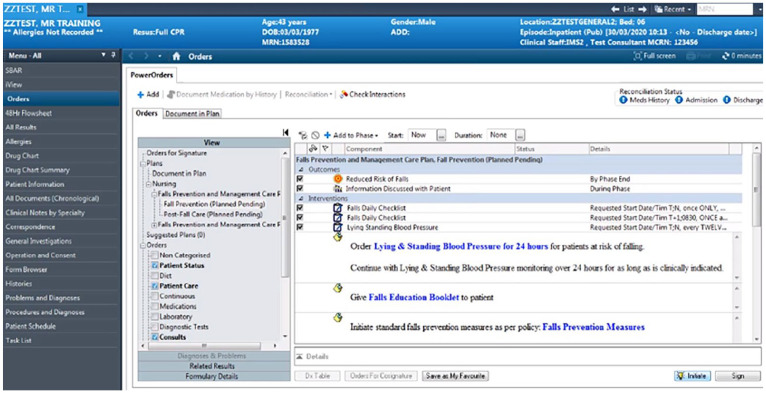
Methodology: The study used ethnomethodology to explore how nurses in an acute hospital ward shape, construct and sensemake nursing practice in their everyday worlds. Multiple data sources were used to triangulate different constructions of reality and generate a broader understanding, including non-participant shadowing of nurses during eight shifts, semi-structured interviews with six registered nurses and a review of the nursing section of the hospital's Electronic Patient Record system. Data were collected in two surgical wards in an acute hospital (2019-2020). Data were iteratively coded and refined through all stages of the study.
Findings: Nurses make sense of conflicting expectations by creating multiple realities which they apply in different situations to structure how they deliver care. This finding suggests that nurses move seamlessly and unknowingly through these created realities, supported by using specific but discrete languages that they can effortlessly adopt. A consequence is that no single model or theory contains all the realities.
Conclusion: This study goes some way to explain the described difference between work-as-imagined and work-as-done. Failure to acknowledge the multiple realities constructed in practice during pre-registration education may explain the theory-practice gap that many new graduates experience and why anticipated outcomes described in research projects might not be realised in everyday practice.
Implications: Nursing practice is not governed by a single theory or model, and nurses make pragmatic transitions between different expectations. Recognition of this is critical to effective planning and leadership of the nursing resource. Using electronic records as a single measure of nursing work has the potential to create a bias towards one reality and thereby render other aspects of nursing value invisible. Failure to embrace the totality of nursing practice may impede the delivery of anticipated patient outcomes and system efficiencies.
Keywords: definition of care; nursing care; role of nurse.
© The Author(s) 2025.
Conflict of interest statement
The author(s) declared no potential conflicts of interest with respect to the research, authorship, and/or publication of this article.
Figures

References
-
- Ball J. (1984) Criteria for Care : The Manual of the North West Nurse Staffing Levels Project. Newcastle upon Tyne: Newcastle upon Tyne Polytechnic Products.
-
- Coulon A. (1995) Ethnomethodology. London: Sage Publications.
-
- Dall’Ora C, Griffiths P, Emmanuel T, et al.. (2019) 12-hour shifts in nursing: do they remove unproductive time and information loss or do they reduce education and discussion opportunities for nurses? A cross-sectional study in 12 European countries. Journal of Clinical Nursing 29: 53–59. DOI:10.1111/jocn.14977. - DOI - PMC - PubMed
LinkOut - more resources
Full Text Sources
Miscellaneous