


Dnajc5b contributes to male fertility by maintaining the mitochondrial functions and autophagic homeostasis during spermiogenesis
- PMID: 39899042
- PMCID: PMC11790535
- DOI: 10.1007/s00018-024-05552-1
Dnajc5b contributes to male fertility by maintaining the mitochondrial functions and autophagic homeostasis during spermiogenesis
Abstract
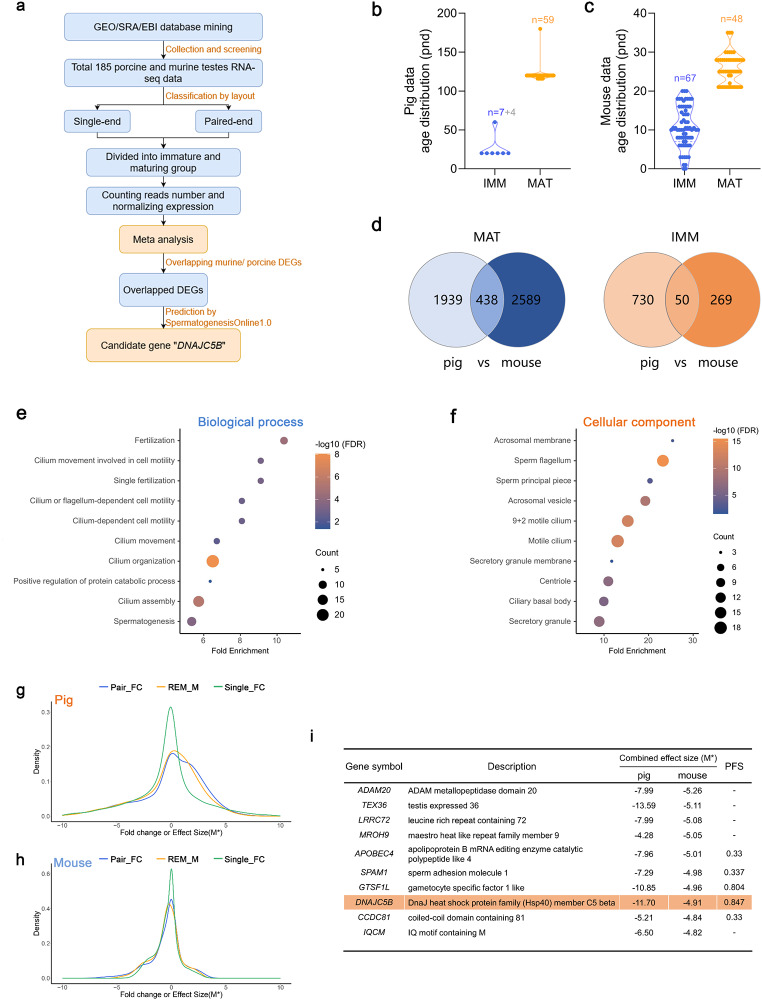
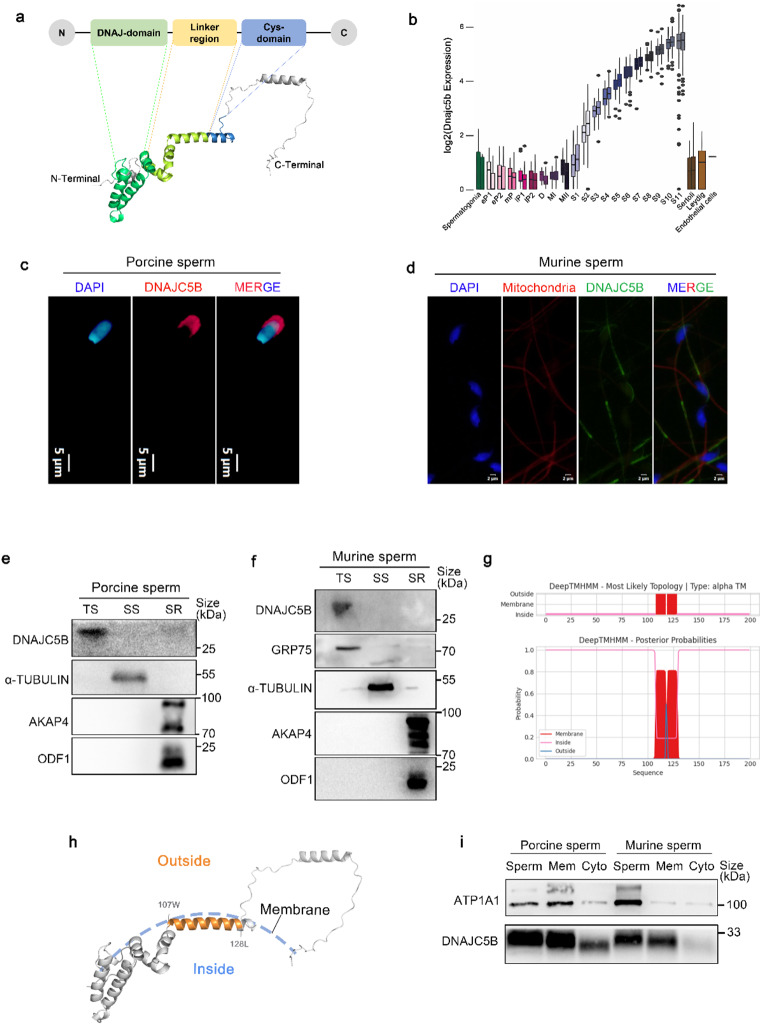
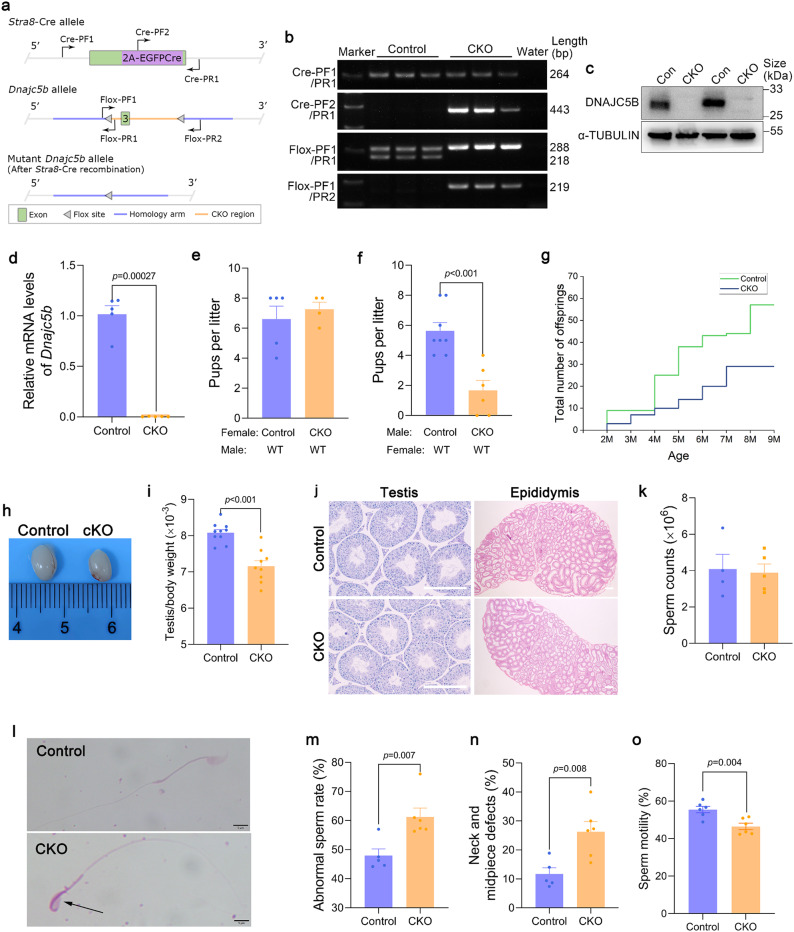
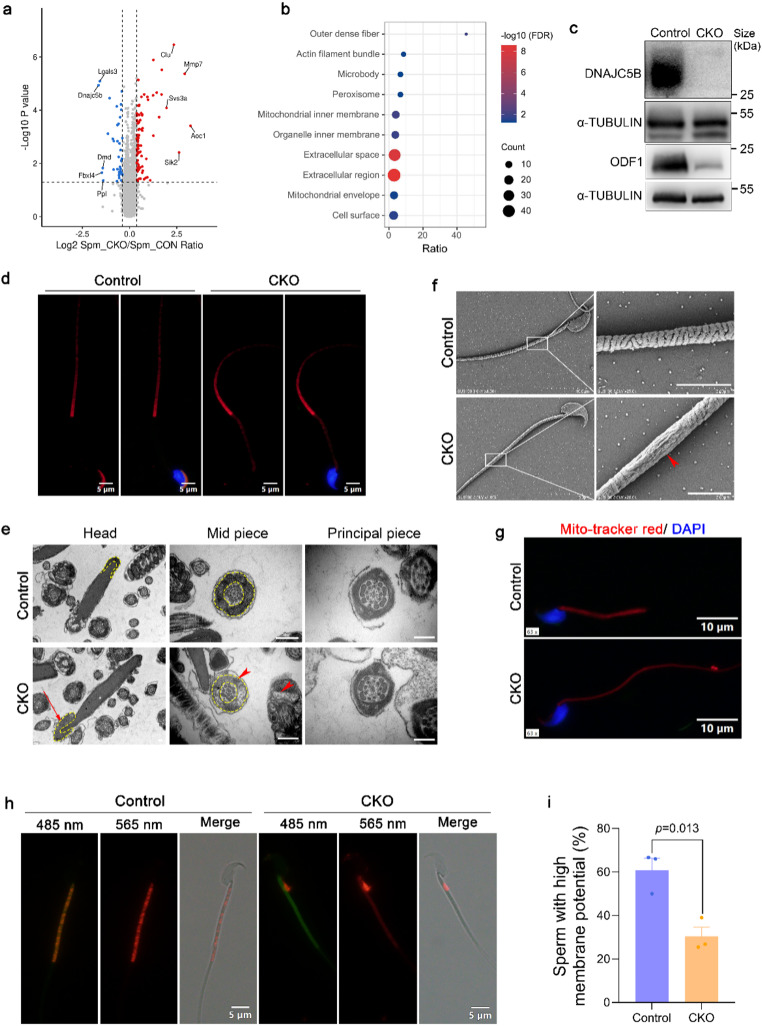
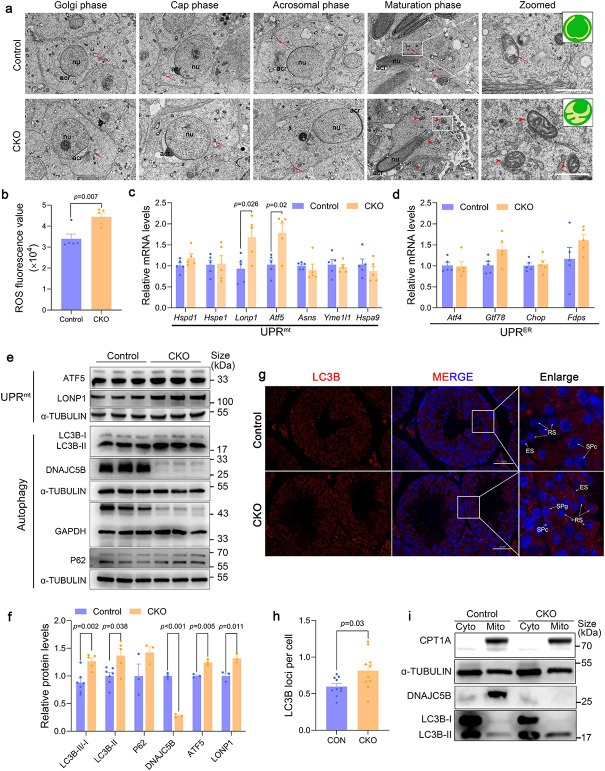
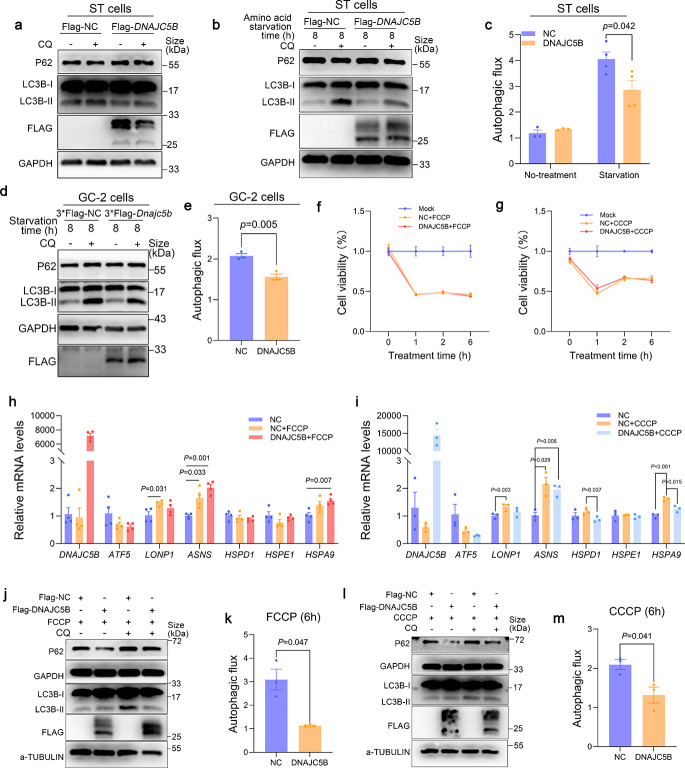
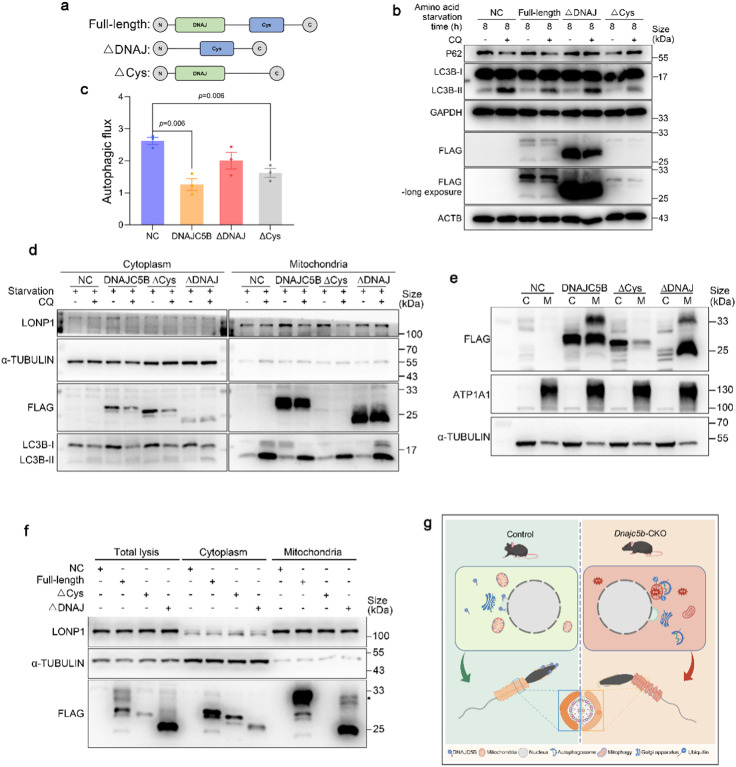
DnaJ heat shock protein family member C5 beta (DNAJC5B), also known as cysteine-string protein beta, exhibits a prominent expression in testicular tissue and plays an important role in acrosomal exocytosis in vitro. Nevertheless, the precise role and underlying mechanism of DNAJC5B in spermatogenesis and male fertility remain poorly understood. The meta-analysis of RNA-sequencing datasets from porcine and murine testes reveals that Dnajc5b could be a pivotal factor in spermatogenesis. This study illustrates that male fertility declines with an increased ratio of abnormal spermatozoa in germ-cell knockout Dnajc5b mice. DNAJC5B has been identified as a mitochondrial protein with high expression in spermatids. The absence of DNAJC5B induces a cascade of mitochondrial damages, including oxidative stress, mitochondrial stress in the testes, and lower mitochondrial membrane potential of spermatozoa. In vivo and in vitro evidence demonstrates that DNAJC5B mitigates excessive cellular autophagy and mitophagy via DNAJ domain under environmental stress conditions, such as starvation or exposure to mitochondrial uncouplers FCCP and CCCP. This study highlights the important role of DNAJC5B in safeguarding male fertility by preserving mitochondrial function and regulating autophagy during spermiogenesis.
Keywords: Dnajc5b; Autophagy; Meta-analysis; Mitochondria; Spermiogenesis.
© 2024. The Author(s).
Conflict of interest statement
Declarations. Ethics approval: Our studies did not include human participants, human data, or human tissue. The animal procedures were approved by the Institutional Animal Care and Use Committee of Huazhong Agricultural University (HZAUMO-2024-0186). Competing interests: The authors have no relevant financial or non-financial interests to disclose.
Figures
References
-
- Nishimura H, L’Hernault SW (2017) Spermatogenesis. Curr Biol 18:R988–R994. 10.1016/j.cub.2017.07.067 - PubMed
-
- Song H, Zhu L, Li Y, Ma C, Guan K, Xia X, Li F (2015) Exploiting RNA-sequencing data from the porcine testes to identify the key genes involved in spermatogenesis in large White pigs. Gene 2:303–309. 10.1016/j.gene.2015.07.057 - PubMed
MeSH terms
Substances
Grants and funding
LinkOut - more resources
Full Text Sources
Miscellaneous
