


A novel virulent core genome multilocus sequence type CT 11424 of Listeria monocytogenes isolate causing stillbirth in Bangladesh
- PMID: 39901076
- PMCID: PMC11792674
- DOI: 10.1186/s12866-024-03650-5
A novel virulent core genome multilocus sequence type CT 11424 of Listeria monocytogenes isolate causing stillbirth in Bangladesh
Abstract
Background: Listeria monocytogenes is a foodborne pathogen that can lead to severe pregnancy outcomes. This study reports the clinical and genomic characteristics of a Listeria-mediated stillbirth identified in January 2022 through the Child Health and Mortality Prevention Surveillance (CHAMPS) project in Bangladesh. The Lm-BD-CHAMPS-01 isolate was recovered from the blood and cerebrospinal fluid (CSF) of a male stillborn. Maternal history, clinical, and demographic data were collected by the CHAMPS surveillance platform. An expert panel evaluated all reports to determine the role of L. monocytogenes infection in the causal chain of stillbirth. Genomic characterization included multilocus sequence typing (MLST), core genome MLST (cgMLST), serotyping, and the presence or absence of virulence genes. Genetic divergence and phylogenetic analyses were conducted to determine the relationship with other reported isolates globally.
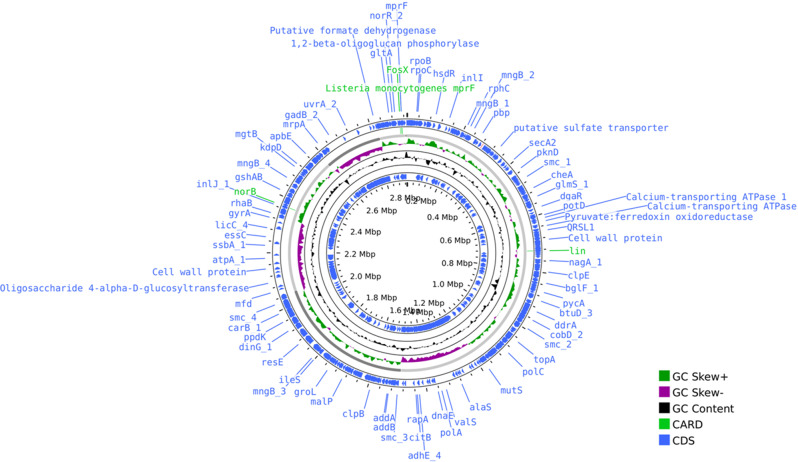
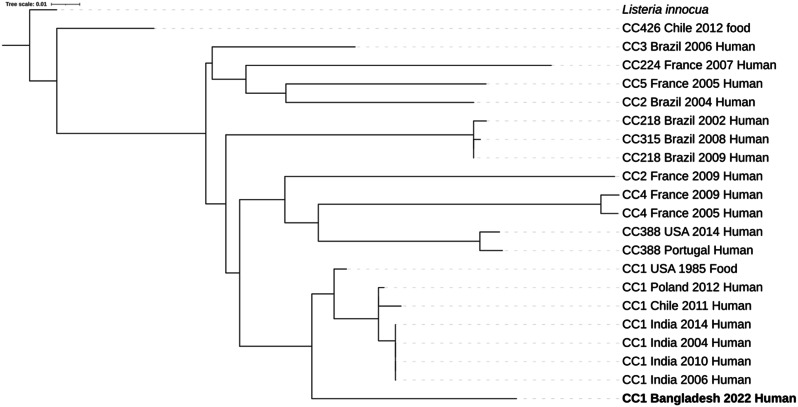
Results: The isolate Lm-BD-CHAMPS-01 was identified as a novel cgMLST CT11424. It belonged to ST 308, Serotype 4b, Clonal Complex 1, and Phylogenetic Lineage 1. Key L. monocytogenes virulence genes facilitating the crossing of the placental barrier, including full-length inlA, LIPI-1, and LIPI-3, were detected. The isolate was closely related to clinical L. monocytogenes isolates, as determined by GrapeTree based on cgMLST. SNP-based phylogenetic analysis found Lm-BD-CHAMPS-01 to be the most distant from other CC1 isolates in the database. Possible sources of infection included the consumption of contaminated raw vegetables or exposure to pigeons.
Conclusions: This is the first genome sequence of clinical L. monocytogenes from Bangladesh, which also caused stillbirth. Rural healthcare professionals should be aware of L. monocytogenes infection risks during pregnancy. Pregnant women should be counseled on the dangers of exposure to animals or birds and consumption of potentially contaminated raw food to prevent adverse pregnancy outcomes due to L. monocytogenes infection.
Keywords: Listeria monocytogenes; Animals; Bangladesh; CHAMPS; Mother-to-child transmission; Pregnancy; Stillbirth.
© 2025. The Author(s).
Conflict of interest statement
Declarations. Ethics approval and consent to participate: The CHAMPS study was conducted following the approval of the research review committee (icddr, b protocol number PR-16082) and the ethical review committee of icddr, b. All procedures performed in the study involving human participants were in accordance with the ethical standards of the institutional and/or national research committee and with the 1964 Helsinki Declaration and its later amendments or comparable ethical standards. Informed consent was obtained from the legal guardians or family members of all stillbirths or deceased children included in the study. The consent process ensured that participants were fully informed about the purpose, procedures, risks, and benefits of the study, and their participation was entirely voluntary. Written consent forms were signed by the legal guardians or family members before any study-related procedures were initiated. No animal was included in this investigation. Consent for publication: Not applicable. Competing interests: The authors declare no competing interests.
Figures


References
Publication types
MeSH terms
Substances
LinkOut - more resources
Full Text Sources
Medical
Molecular Biology Databases
