


Roles of efflux pumps and nitroreductases in metronidazole-resistant Trichomonas vaginalis
- PMID: 39937247
- PMCID: PMC11821713
- DOI: 10.1007/s00436-025-08463-7
Roles of efflux pumps and nitroreductases in metronidazole-resistant Trichomonas vaginalis
Abstract
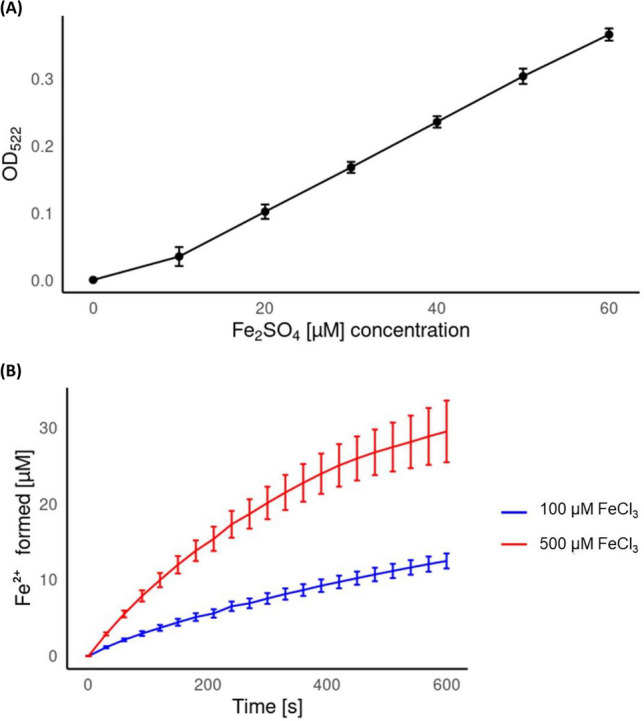
Trichomonas vaginalis infections significantly impact public health and are associated with increased likelihood of HIV infection, prostate cancer, and pregnancy complications. Current treatment relies almost exclusively on 5-nitroimidazoles, particularly metronidazole, raising concerns about drug resistance and treatment efficacy. This study is aimed at evaluating the effectiveness of metronidazole and tinidazole on metronidazole-resistant strains of T. vaginalis and at determining whether efflux pump inhibitors could reverse metronidazole resistance. Additionally, the roles of nitroreductases in metronidazole resistance were also studied. Metronidazole and tinidazole were tested on both metronidazole-sensitive and -resistant T. vaginalis strains. A checkerboard assay was conducted to assess the potential synergy between metronidazole or tinidazole and efflux pump inhibitors. Nitroreductase activity and ferric iron reduction assays were employed to study the functions of nitroreductases. Tinidazole demonstrated better effectiveness against metronidazole-resistant strains compared to metronidazole, with lower minimal lethal concentration levels. However, the tested efflux pump inhibitors did not significantly enhance the efficacy of metronidazole or tinidazole. Pyrimethamine showed some activity but did not improve the efficacy of the 5-nitroimidazoles in combination. Investigations into the role of nitroreductases and other enzymes in metronidazole resistance revealed no clear downregulation trend in resistant strains. Notably, nitroreductase 8 was capable of reducing ferric iron. While tinidazole remains a viable alternative for treating metronidazole-resistant T. vaginalis, efflux pump inhibitors do not effectively reverse resistance. The identification of nitroreductase's 8 iron-reducing activity suggests its involvement in metronidazole resistance mechanisms. This finding highlights the need for continued research to develop new treatment strategies and improve the management of trichomoniasis, ultimately reducing its public health burden.
Keywords: Trichomonas vaginalis; Antimicrobial resistance; Efflux pump inhibitors; Iron reduction; Metronidazole; Nitroreductase.
© 2025. The Author(s).
Conflict of interest statement
Declarations. Ethical approval: Not applicable. Informed consent: Not applicable. Consent to participate: Not applicable. Consent for publication: Not applicable. Competing interests: The authors declare no competing interests.
Figures
References
-
- Argaez-Correa W, Alvarez-Sanchez ME, Arana-Argaez VE, Ramirez-Camacho MA, Novelo-Castilla JS, Coral-Martinez TI, Torres-Romero JC (2019) The role of iron status in the early progression of metronidazole resistance in Trichomonas vaginalis under microaerophilic conditions. J Eukaryot Microbiol 66:309–315. 10.1111/jeu.12671 - PubMed
-
- Bergan T (1985) Antibacterial activity and pharmacokinetics of nitroimidazoles: a review. Scand J Infect Dis Suppl 46:64–71 - PubMed
MeSH terms
Substances
Grants and funding
LinkOut - more resources
Full Text Sources
