


Dietary Supplementation for Fatigue Symptoms in Myalgic Encephalomyelitis/Chronic Fatigue Syndrome (ME/CFS)-A Systematic Review
- PMID: 39940333
- PMCID: PMC11819863
- DOI: 10.3390/nu17030475
Dietary Supplementation for Fatigue Symptoms in Myalgic Encephalomyelitis/Chronic Fatigue Syndrome (ME/CFS)-A Systematic Review
Abstract
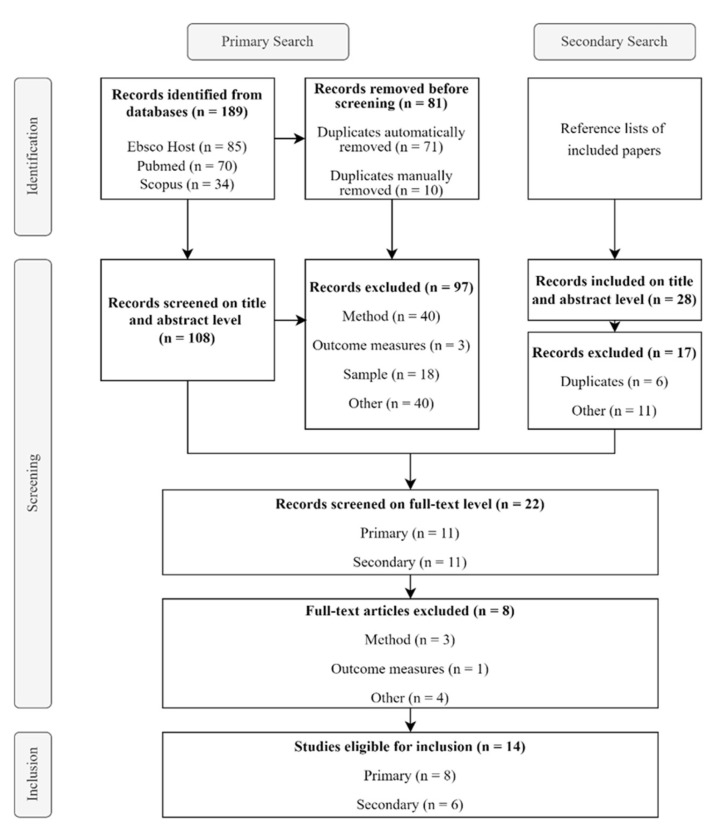
Background/Objectives: Myalgic Encephalomyelitis/Chronic Fatigue Syndrome (ME/CFS) is a complex neuroimmunological disorder with limited treatment options. Despite the widespread use of Dietary Supplements (DSs) among ME/CFS patients to alleviate fatigue and associated symptoms, evidence remains inconclusive. This systematic review aims to provide an updated synthesis of the efficacy of DS interventions and explore possible mechanisms underlying their therapeutic effects. Methods: This systematic review was conducted according to PRISMA guidelines. Several databases (Ebsco Host, PubMed, Scopus, Google Scholar) were used for the systematic search, which was based on the broad search terms ME/CFS and DS with a focus on publications between 1994 and 2024. The primary outcome was fatigue, with additional considerations including psychological well-being, physical activity, and biochemical markers. Two independent researchers screened the studies for eligibility in a multi-stage process and assessed quality and bias using Cochrane's risk of bias tools (RoB-2, ROBINS-I). Results: Fourteen studies (N = 809) of heterogeneous designs were included, showing a high risk of bias, mostly due to missing data and selection bias. While some interventions (L-carnitine and guanidinoacetic acid, oxaloacetate, CoQ10-selenium combination, NADH and NADH-CoQ10 combination) showed significant reductions in fatigue, methodological limitations, like small sample sizes and missing data, prevent firm conclusions. Mixed results were reported for secondary outcomes like cognitive function and inflammatory markers. Six studies noted adverse effects, including nausea and insomnia. Conclusions: Though some DSs showed potential in reducing fatigue in ME/CFS, methodological limitations and inconsistent results hinder definitive conclusions. Future research should improve diagnostic criteria and include more diverse populations.
Keywords: PRISMA; chronic fatigue syndrome; clinical trials; dietary supplements; long-COVID; myalgic encephalomyelitis/chronic fatigue syndrome.
Conflict of interest statement
M.C.D., G.M., N.M., B.S., M.N. and V.S.-H. have no conflicts of interest to disclose. Within the last years, LB has received travel grants and consultant/speaker honoraria from Alpine Market Research, Angelini, Biogen, Diagnosia, Dialectica, EQT, Johnson & Johnson, Lundbeck, Market Access Transformation, Medizin Medien Austria, Novartis, Schwabe, and Universimed.
Figures
References
Publication types
MeSH terms
LinkOut - more resources
Full Text Sources
Medical
