


Gut microbiota: A new window for the prevention and treatment of neuropsychiatric disease
- PMID: 39989718
- PMCID: PMC11846125
- DOI: 10.1177/11795735251322450
Gut microbiota: A new window for the prevention and treatment of neuropsychiatric disease
Abstract
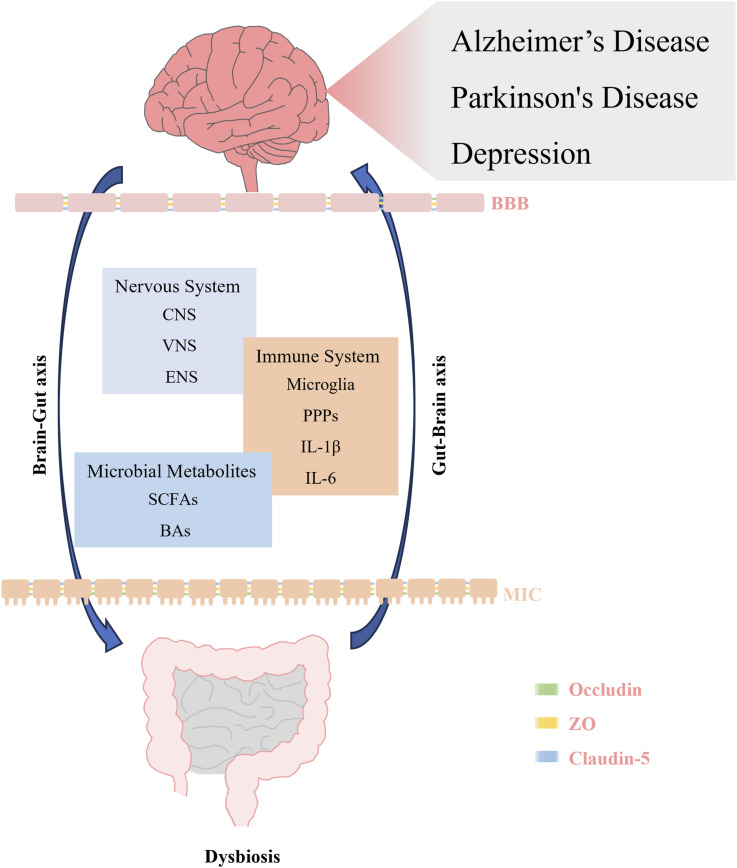
Under normal physiological conditions, gut microbiota and host mutually coexist. They play key roles in maintaining intestinal barrier integrity, absorption, and metabolism, as well as promoting the development of the central nervous system (CNS) and emotional regulation. The dysregulation of gut microbiota homeostasis has attracted significant research interest, specifically in its impact on neurological and psychiatric disorders. Recent studies have highlighted the important role of the gut- brain axis in conditions including Alzheimer's Disease (AD), Parkinson's Disease (PD), and depression. This review aims to elucidate the regulatory mechanisms by which gut microbiota affect the progression of CNS disorders via the gut-brain axis. Additionally, we discuss the current research landscape, identify gaps, and propose future directions for microbial interventions against these diseases. Finally, we provide a theoretical reference for clinical treatment strategies and drug development for AD, PD, and depression.
Keywords: gut microbiota; gut-brain axis; microbial intervention; neuropsychiatric disease.
© The Author(s) 2025.
Conflict of interest statement
The author(s) declared no potential conflicts of interest with respect to the research, authorship, and/or publication of this article.
Figures
References
-
- Hugon P, Dufour JC, Colson P, Fournier PE, Sallah K, Raoult D. A comprehensive repertoire of prokaryotic species identified in human beings. Lancet Infect Dis. 2015;15:1211-1219. - PubMed
-
- Beheshti-Maal A, Shahrokh S, Ansari S, et al. Gut mycobiome: the probable determinative role of fungi in IBD patients. Mycoses. 2021;64:468-476. - PubMed
Publication types
LinkOut - more resources
Full Text Sources
