This is a preprint.
A clinical drug candidate that triggers non-apoptotic cancer cell death
- PMID: 39989975
- PMCID: PMC11844650
- DOI: 10.21203/rs.3.rs-4138879/v1
A clinical drug candidate that triggers non-apoptotic cancer cell death
Update in
-
Tegavivint triggers TECR-dependent nonapoptotic cancer cell death.Nat Chem Biol. 2025 Dec;21(12):1873-1884. doi: 10.1038/s41589-025-01913-4. Epub 2025 May 26. Nat Chem Biol. 2025. PMID: 40419770
Abstract
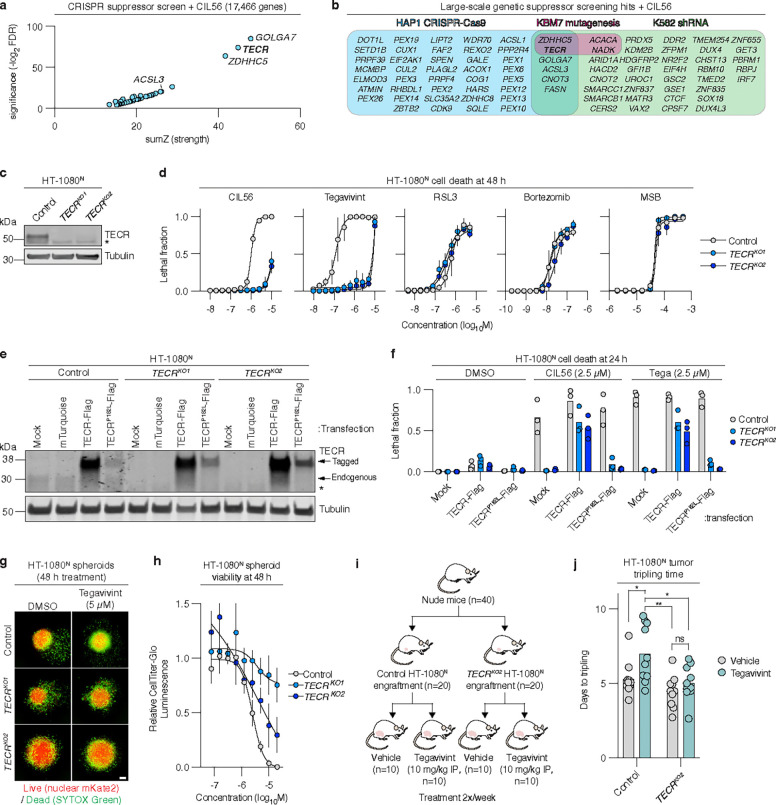
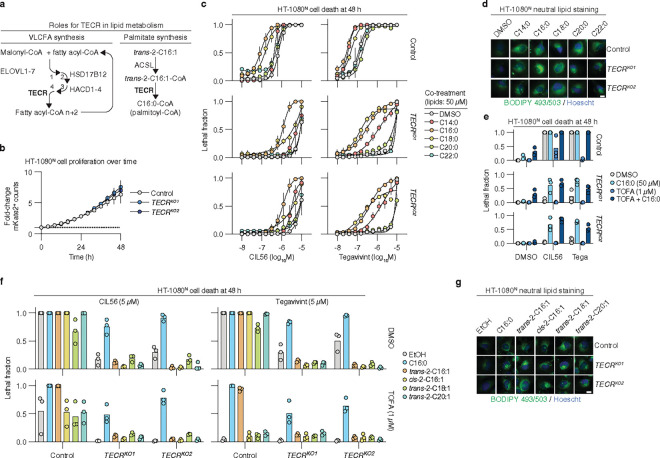
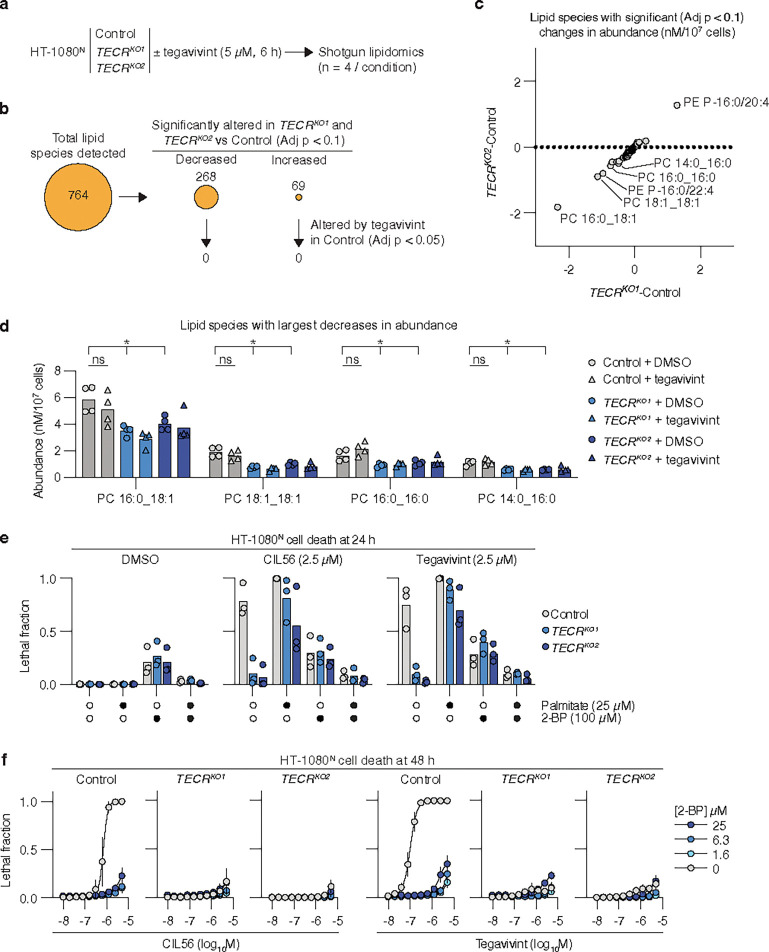
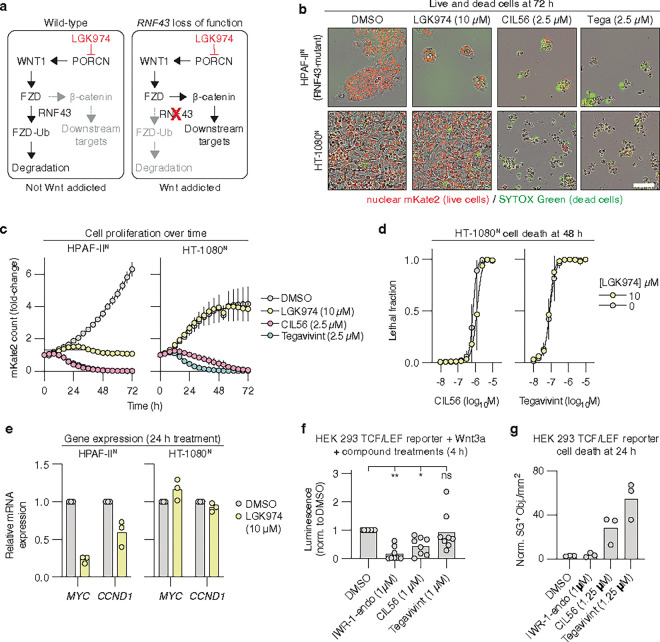
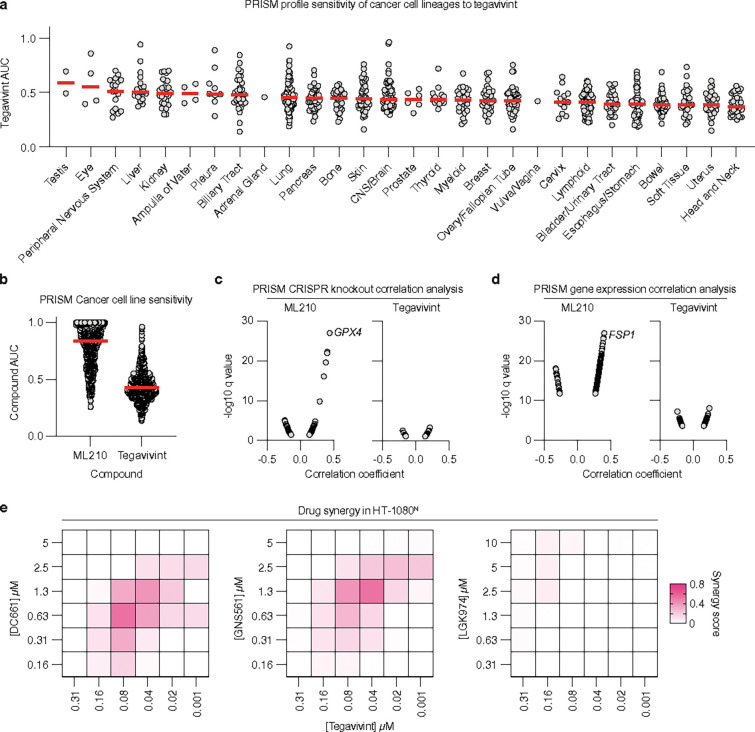
Small molecules that induce non-apoptotic cell death are of fundamental mechanistic interest and may be useful to treat certain cancers. Here, we report that tegavivint, a drug candidate undergoing human clinical trials, can activate a unique mechanism of non-apoptotic cell death in sarcomas and other cancer cells. This lethal mechanism is distinct from ferroptosis, necroptosis and pyroptosis and requires the lipid metabolic enzyme trans-2,3-enoyl-CoA reductase (TECR). TECR is canonically involved in the synthesis of very long chain fatty acids but appears to promote non-apoptotic cell death in response to CIL56 and tegavivint via the synthesis of the saturated long-chain fatty acid palmitate. These findings outline a lipid-dependent non-apoptotic cell death mechanism that can be induced by a drug candidate currently being tested in humans.
Keywords: TECR; cancer; necrosis; palmitate.
Conflict of interest statement
Competing interests statement E.J.M. has served as a paid consultant for Guidepoint and GLG. S.J.D. is an inventor on patents related to ferroptosis. Additional Declarations: Yes there is potential Competing Interest. E.J.M. has served as a paid consultant for Guidepoint and GLG. S.J.D. is an inventor on patents related to ferroptosis.
Figures

References
Publication types
Associated data
Grants and funding
LinkOut - more resources
Full Text Sources