


Lactic Acid Bacteria in Vinegar Fermentation: Diversity, Functionality and Health Benefits
- PMID: 40002142
- PMCID: PMC11854781
- DOI: 10.3390/foods14040698
Lactic Acid Bacteria in Vinegar Fermentation: Diversity, Functionality and Health Benefits
Abstract
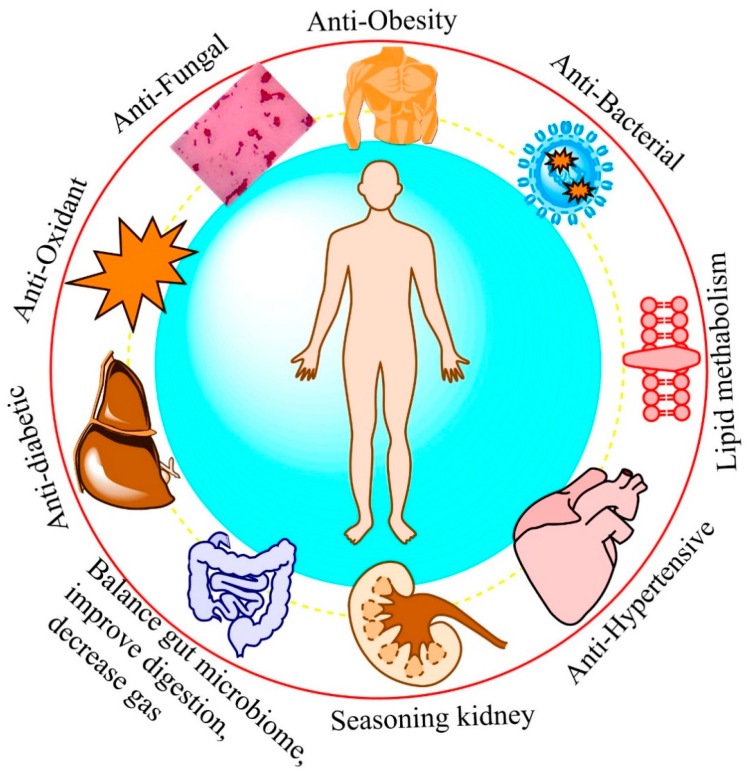
Vinegar, frequently distilled by solid fermentation or liquid processes, was generated through the synergistic effect of a microbial community in open or semi-open environments. Based on the studied raw materials, researchers distributed the vinegar into three classes: grain, fruit and animal, with lactic acid bacteria (LAB) playing a pivotal role in their fermentation and contributing significantly to their functional and sensory qualities. Typically, the natural maturation of fresh vinegar necessitates a long period and vast space, engendering a reduced efficiency. To accelerate the vinegar aging process, some physical methods, viz. micro-oxygenation, ozone, ultrasound, microwave, gamma rays, infrared, electric fields and high pressure, have been developed. Produced or enriched by LAB, key bioactive vinegar components are organic acids, phenolic compounds, melanoidins, and tetramethylpyrazine. These active compounds have antibacterial, antioxidant, anti-inflammatory functions; aid in the regulation of liver protection metabolism and glucose control; and have blood pressure, anti-tumor, anti-fatigue and metabolic regulatory effects. The review explores advancements in vinegar production, including modernized fermentation processes and optimized aging techniques, which enhance these beneficial compounds and ensure product consistency and safety. By examining the LAB variety strains and the bioactive profiles of different vinegar types, this study highlights vinegar's value beyond a culinary product, as a potential therapeutic agent in human nutrition and health. The findings underscore vinegar's relevance not only in dietary and preventive healthcare but also as a potential functional food ingredient. Further research is needed to explore the mechanisms of action through which LAB contribute to the development of several new healthy vinegars.
Keywords: bioactive compounds; diversity; fermentation; functional food; lactic acid bacteria; vinegar production.
Conflict of interest statement
The authors declare no conflicts of interest.
Figures


References
-
- Solieri L., Giudici P. Vinegars of the World. In: Solieri L., Giudici P., editors. Vinegars of the World. Springer; Milan, Italy: 2009. pp. 1–16. - DOI
-
- Plessi M. VINEGAR. In: Caballero B., editor. Encyclopedia of Food Sciences and Nutrition (Second Edition) Academic Press; Oxford, UK: 2003. pp. 5996–6004. - DOI
-
- Hemke J., Rasane P., Kaur S., Kumbhar P., Singh J. Vinegar: A traditional functional food. Think India J. 2019;22:581–629.
Publication types
LinkOut - more resources
Full Text Sources
Miscellaneous
