


Gut Microbiome Diversity in European Honeybees (Apis mellifera L.) from La Union, Northern Luzon, Philippines
- PMID: 40003742
- PMCID: PMC11855267
- DOI: 10.3390/insects16020112
Gut Microbiome Diversity in European Honeybees (Apis mellifera L.) from La Union, Northern Luzon, Philippines
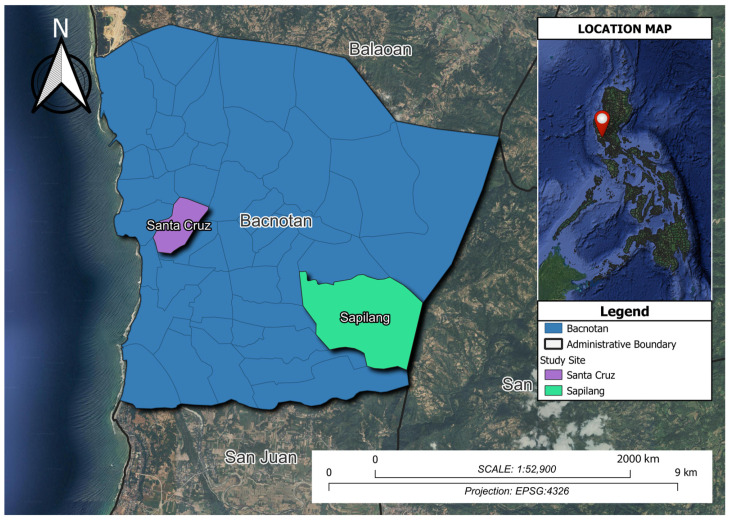
Abstract
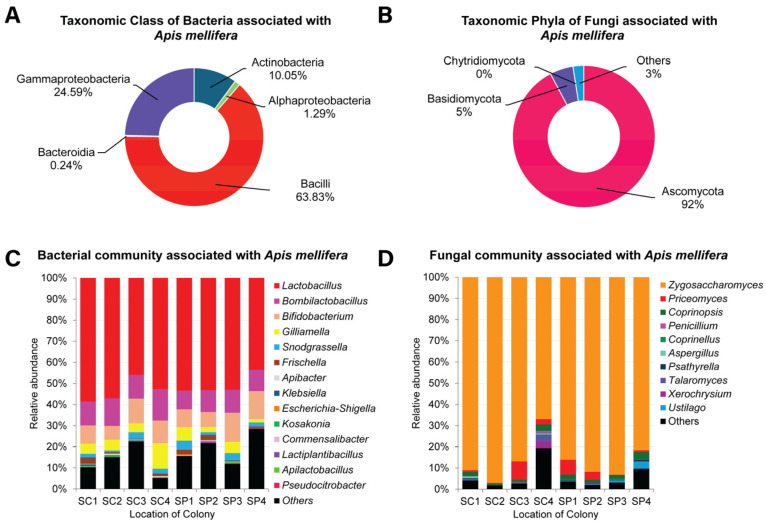
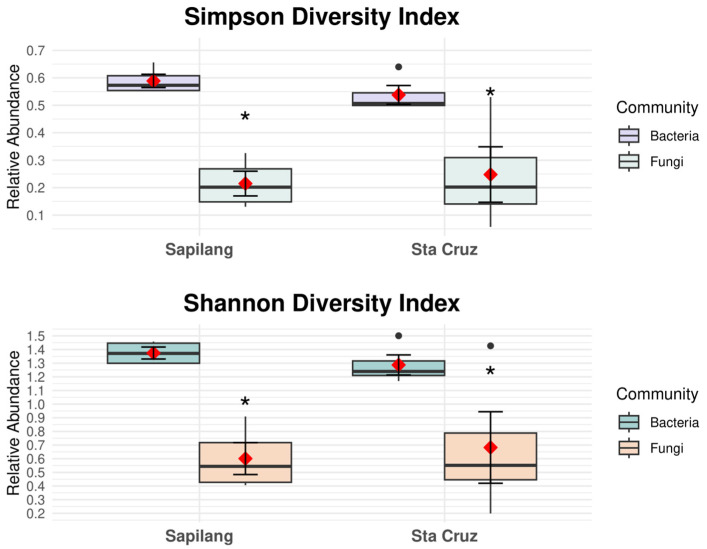
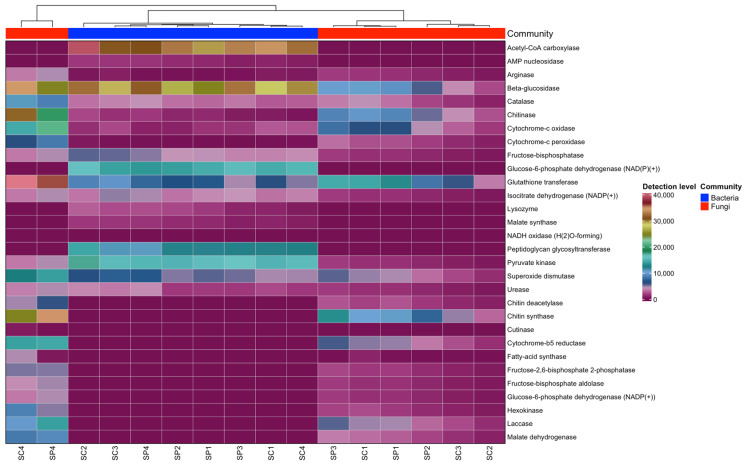
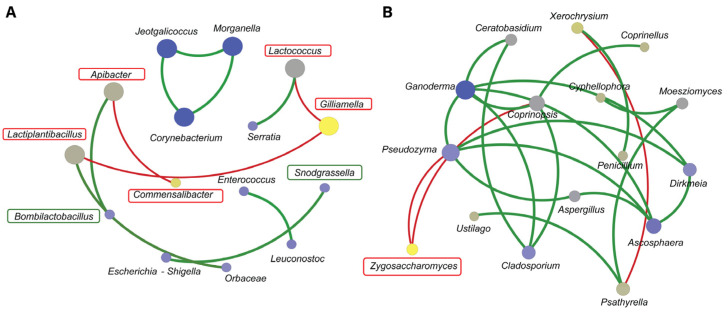
Insects often rely on symbiotic bacteria and fungi for various physiological processes, developmental stages, and defenses against parasites and diseases. Despite their significance, the associations between bacterial and fungal symbionts in Apis mellifera are not well studied, particularly in the Philippines. In this study, we collected A. mellifera from two different sites in the Municipality of Bacnotan, La Union, Philippines. A gut microbiome analysis was conducted using next-generation sequencing with the Illumina MiSeq platform. Bacterial and fungal community compositions were assessed using 16S rRNA and ITS gene sequences, respectively. Our findings confirm that adult worker bees of A. mellifera from the two locations possess distinct but comparably proportioned bacterial and fungal microbiomes. Key bacterial symbionts, including Lactobacillus, Bombilactobacillus, Bifidobacterium, Gilliamella, Snodgrassella, and Frischella, were identified. The fungal community was dominated by the yeasts Zygosaccharomyces and Priceomyces. Using the ENZYME nomenclature database and PICRUSt2 software version 2.5.2, a predicted functional enzyme analysis revealed the presence of β-glucosidase, catalase, glucose-6-phosphate dehydrogenase, glutathione transferase, and superoxide dismutase, which are involved in host defense, carbohydrate metabolism, and energy support. Additionally, we identified notable bacterial enzymes, including acetyl-CoA carboxylase and AMPs nucleosidase. Interestingly, the key bee symbionts were observed to have a negative correlation with other microbiota. These results provide a detailed characterization of the gut microbiota associated with A. mellifera in the Philippines and lay a foundation for further metagenomic studies of microbiomes in native or indigenous bee species in the region.
Keywords: Illumina MiSeq; Philippines; bacterial microbiota; fungal microbiota; honeybee functional microbiota; insects; metagenomics; next-generation sequencing.
Conflict of interest statement
The authors declare no conflicts of interest.
Figures
References
Grants and funding
LinkOut - more resources
Full Text Sources
