


Modulating neuroplasticity for chronic pain relief: noninvasive neuromodulation as a promising approach
- PMID: 40025172
- PMCID: PMC11958754
- DOI: 10.1038/s12276-025-01409-0
Modulating neuroplasticity for chronic pain relief: noninvasive neuromodulation as a promising approach
Abstract
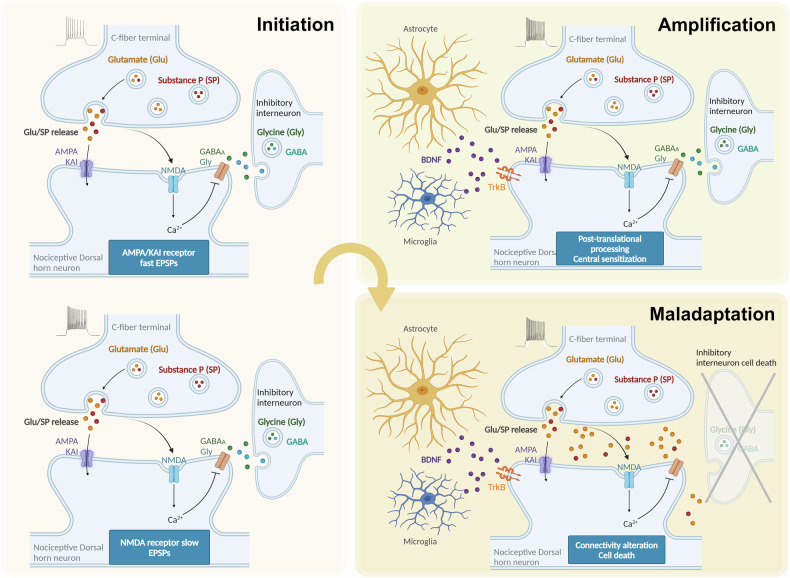
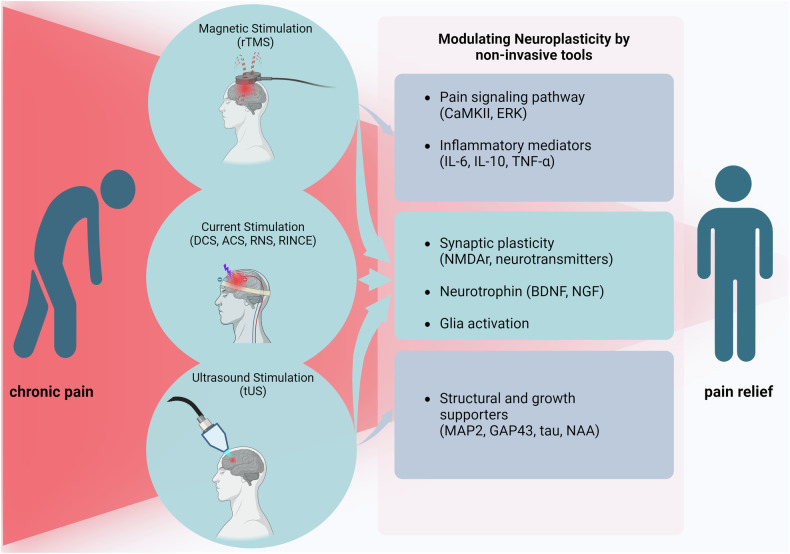
Chronic neuropathic pain is a debilitating neuroplastic disorder that notably impacts the quality of life of millions of people worldwide. This complex condition, encompassing various manifestations, such as sciatica, diabetic neuropathy and postherpetic neuralgia, arises from nerve damage or malfunctions in pain processing pathways and involves various biological, physiological and psychological processes. Maladaptive neuroplasticity, known as central sensitization, plays a critical role in the persistence of chronic neuropathic pain. Current treatments for neuropathic pain include pharmacological interventions (for example, antidepressants and anticonvulsants), invasive procedures (for example, deep brain stimulation) and physical therapies. However, these approaches often have limitations and potential side effects. In light of these challenges, interest in noninvasive neuromodulation techniques as alternatives or complementary treatments for neuropathic pain is increasing. These methods aim to induce analgesia while reversing maladaptive plastic changes, offering potential advantages over conventional pharmacological practices and invasive methods. Recent technological advancements have spurred the exploration of noninvasive neuromodulation therapies, such as repetitive transcranial magnetic stimulation, transcranial direct current stimulation and transcranial ultrasound stimulation, as well as innovative transformations of invasive techniques into noninvasive methods at both the preclinical and clinical levels. Here this review aims to critically examine the mechanisms of maladaptive neuroplasticity in chronic neuropathic pain and evaluate the efficacy of noninvasive neuromodulation techniques in pain relief. By focusing on optimizing these techniques, we can better assess their short-term and long-term effects, refine treatment variables and ultimately improve the quality of neuropathic pain management.
© 2025. The Author(s).
Conflict of interest statement
Competing interests: The authors declare no competing interests.
Figures

References
Publication types
MeSH terms
Grants and funding
LinkOut - more resources
Full Text Sources
Medical
