


Chaihu Shugan San Exerts Antidepressant Effects by Regulating Glucocorticoid Metabolism in CUMS Rats and Network Pharmacology Provides Complementary Mechanistic Insights
- PMID: 40028110
- PMCID: PMC11866020
- DOI: 10.1021/acsomega.4c08802
Chaihu Shugan San Exerts Antidepressant Effects by Regulating Glucocorticoid Metabolism in CUMS Rats and Network Pharmacology Provides Complementary Mechanistic Insights
Abstract
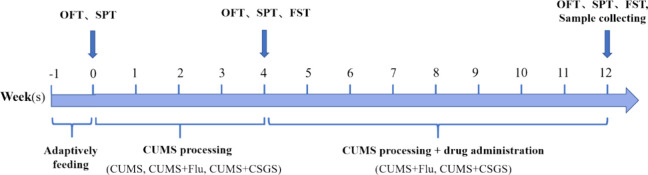
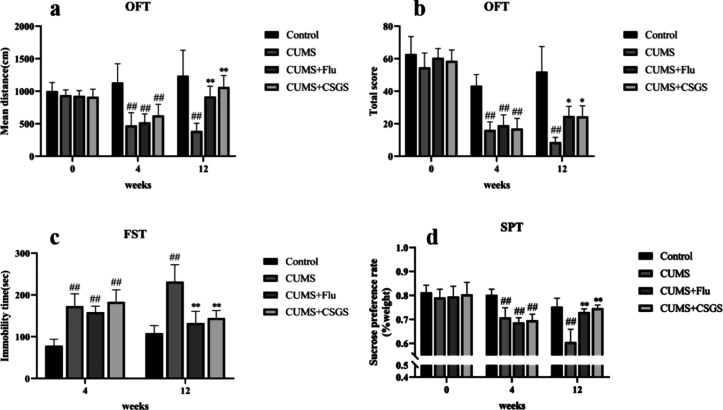
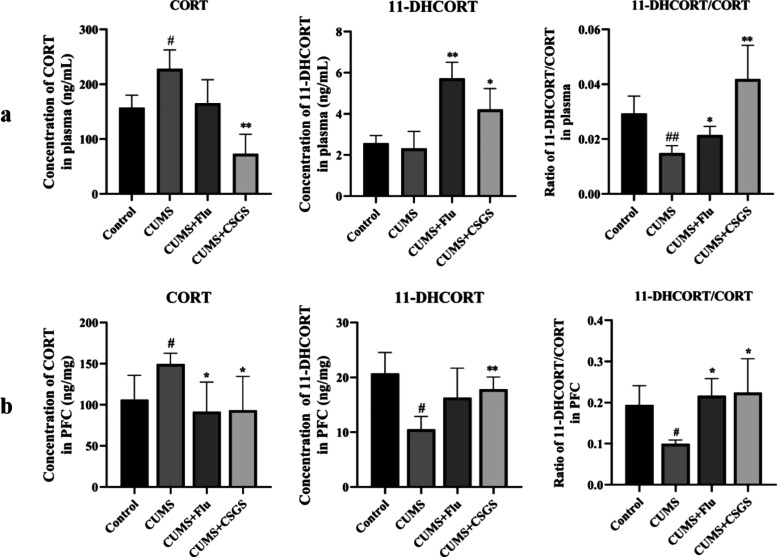
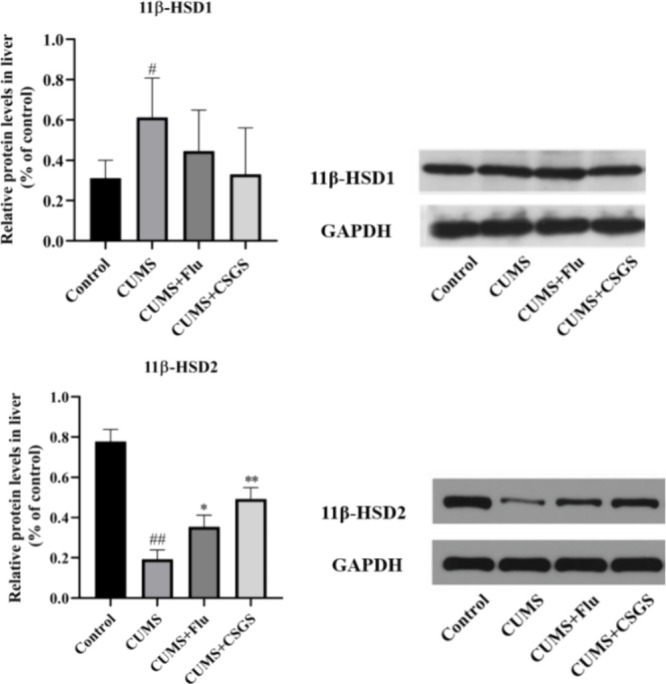
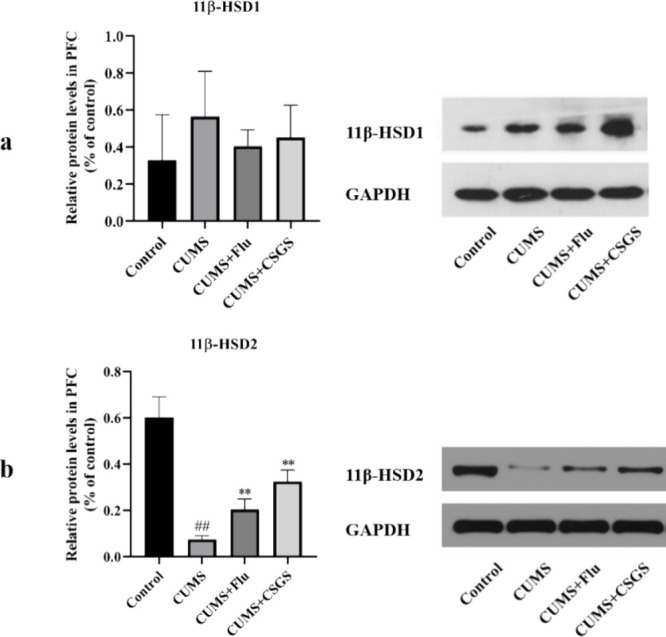
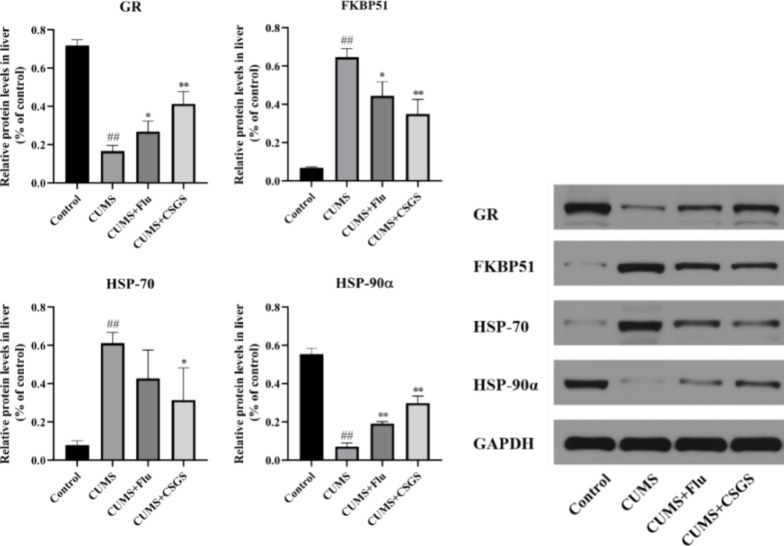
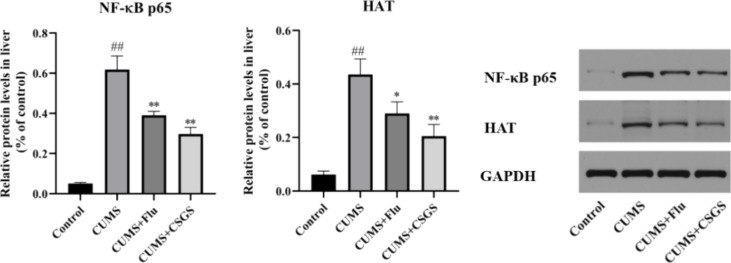
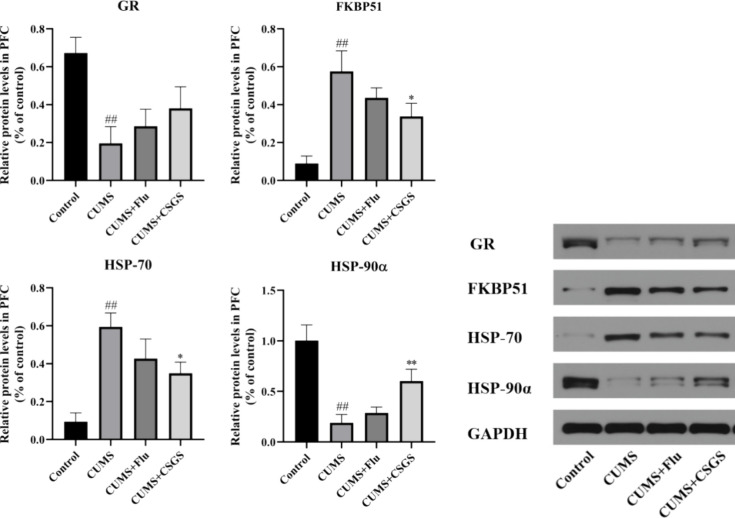
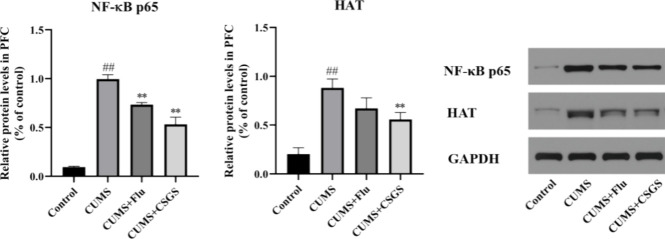
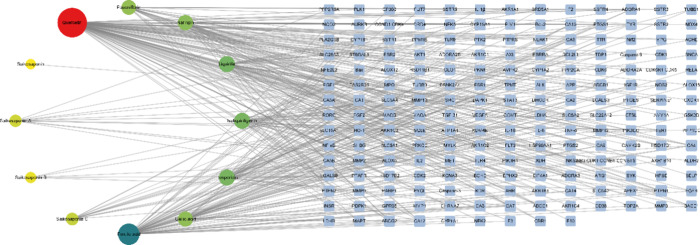
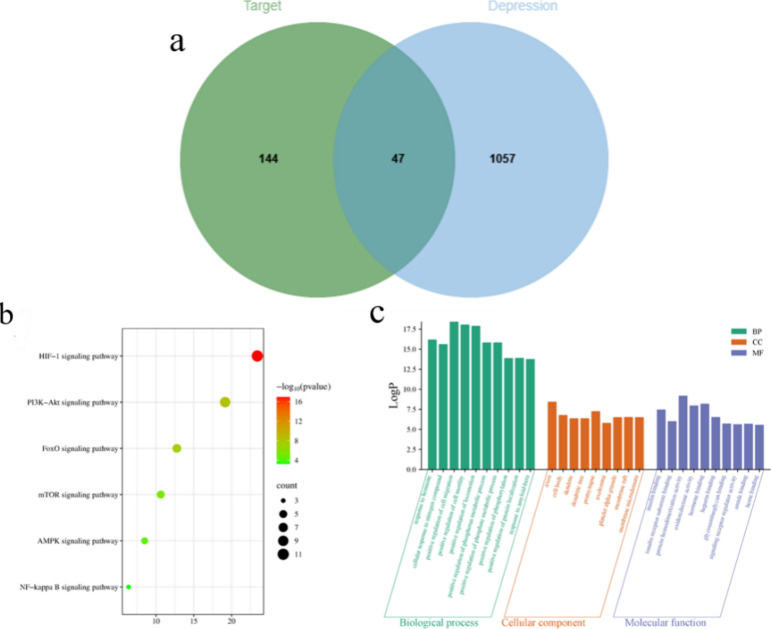
Traditional Chinese medicine Chaihu Shugan San (CSGS) is a classic Chinese herb prescription for improving depression, but its specific molecular mechanism has not been fully clarified. This study integrates network pharmacology and experimental validation to investigate CSGS's antidepressant effects, focusing on its impact on GC metabolism and related pathways. In this research, the antidepressant mechanism of CSGS in relation to the depression model induced by chronic unpredictable mild stress will be discussed. High-performance liquid tandem mass spectrometry was applied for the verification of the grown metabolites' economic vitality in rat plasma and the prefrontal cortex. The revelation of behavioral test results showed that the administration of CSGS improved depression symptoms significantly at the end of the administration period, which was 8 weeks. Network pharmacology was used to assist in verifying and improving the mechanism by which the active ingredients of CSGS affect the glucocorticoid metabolic pathway to exert antidepressant effects. CSGS significantly improved glucocorticoid (GC) metabolism by reducing corticosterone (CORT) levels and increasing dehydrocorticosterone (11-DHCORT) and the 11-DHCORT/CORT ratio in plasma and PFC. It regulated GC metabolism in the liver and PFC by downregulating GC synthase (11β-HSD1) and upregulating GC metabolic enzymes (11β-HSD2). Additionally, CSGS restored GC signaling by upregulating GR and HSP-90α, downregulating FKBP51 and HSP-70, and alleviating inflammation by inhibiting NF-κB P65 and HAT expression. These effects, particularly in the liver and PFC, were stronger than those with fluoxetine. Network pharmacology revealed that CSGS targets multiple pathways including PI3K-Akt, FoxO, HIF-1, and mTOR. These results indicate that CSGS can improve the depressive state of rats by regulating glucocorticoid metabolism and other related pathways as well as downstream signaling proteins.
© 2025 The Authors. Published by American Chemical Society.
Conflict of interest statement
The authors declare no competing financial interest.
Figures
References
-
- Zhang H.; Huang H.; Song H.; Chin B.; Zheng H.; Ruan J.; Wu F.; Cheng B.; Wu J.; Liu X.; Liang Y.; Song F.; Chen Z.; Tang C.; Lu S.; Guo H.; Zou Z.; Su Z. Serum Metabolomics Reveals the Intervention Mechanism and Compatible Regularity of Chaihu Shu Gan San on Chronic Unpredictable Mild Stress-Induced Depression Rat Model. J. Pharm. Pharmacol 2020, 72 (8), 1133–1143. 10.1111/jphp.13286. - DOI - PubMed
-
- Zhang H.; Huang H.; Song H.; Chin B.; Zheng H.; Ruan J.; Wu F.; Cheng B.; Wu J.; Liu X.; Liang Y.; Song F.; Chen Z.; Tang C.; Lu S.; Guo H.; Zou Z.; Su Z. Serum Metabolomics Reveals the Intervention Mechanism and Compatible Regularity of Chaihu Shu Gan San on Chronic Unpredictable Mild Stress-Induced Depression Rat Model. J. Pharm. Pharmacol. 2020, 72 (8), 1133. 10.1111/jphp.13286. - DOI - PubMed
LinkOut - more resources
Full Text Sources
Miscellaneous