


The cGAS-STING-related signature affects the prognosis of colorectal cancer through its regulation of multiple immune cells
- PMID: 40035384
- PMCID: PMC11877623
- DOI: 10.1002/iub.70009
The cGAS-STING-related signature affects the prognosis of colorectal cancer through its regulation of multiple immune cells
Abstract
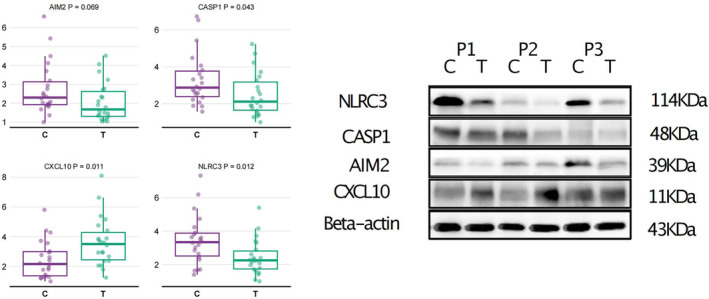
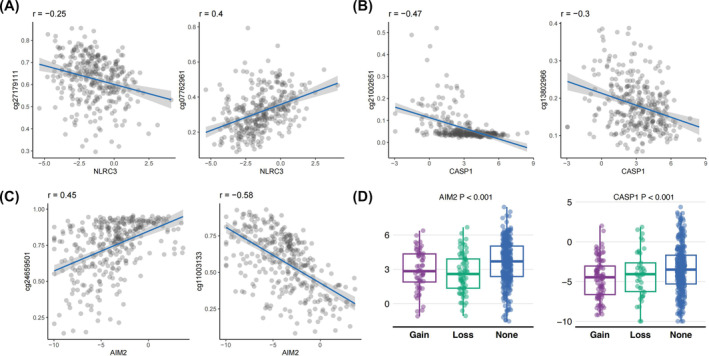
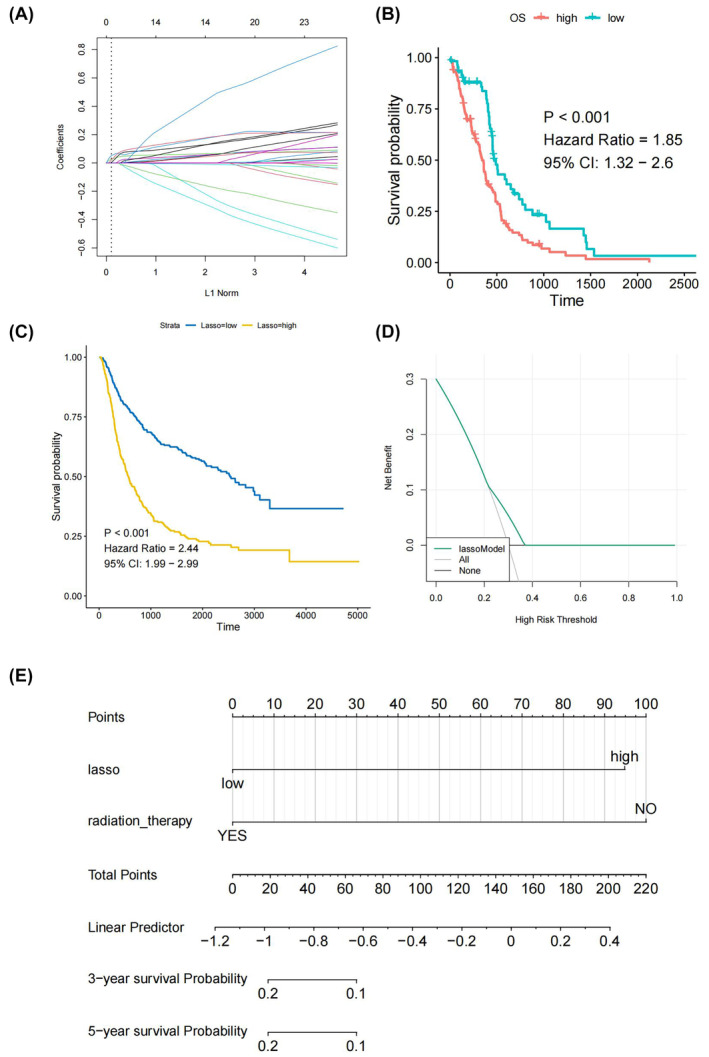
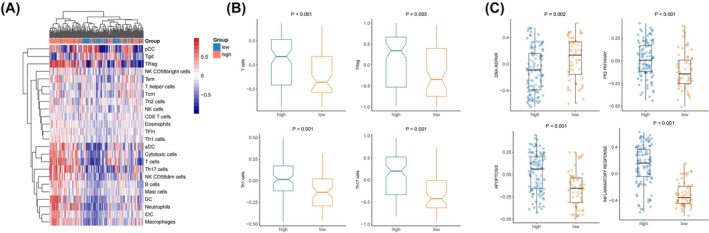
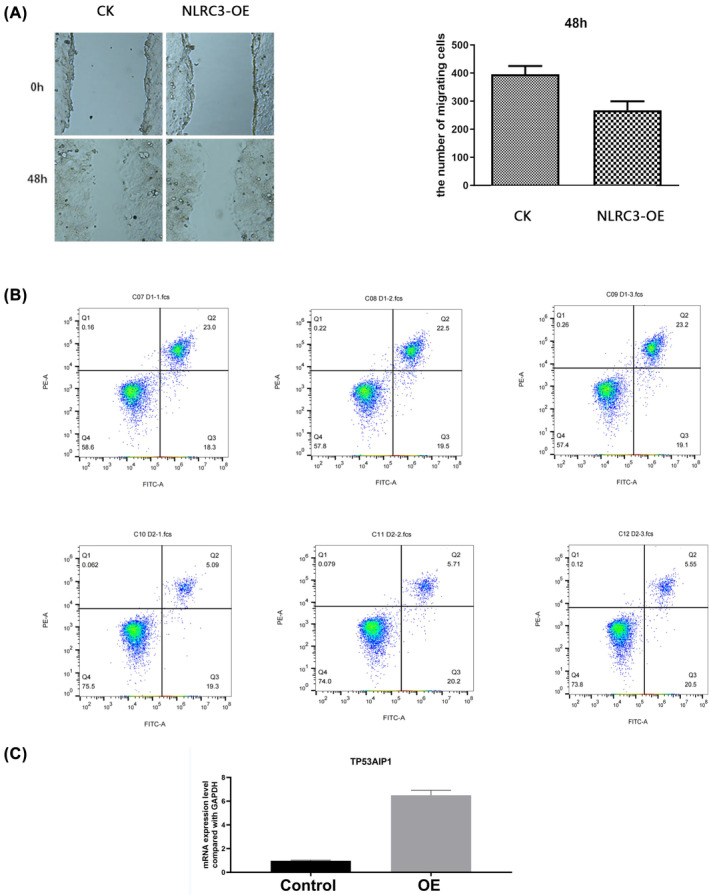
The cGAS-STING signaling pathway has emerged as a critical player in the immune response against cancer, including colorectal adenocarcinoma (COAD). Understanding the impact of this pathway on COAD at multiple omics levels is crucial for advancing cancer immunotherapy and precision medicine. This study aimed to investigate the relationship between cGAS-STING-related genes and COAD, analyzing gene mutations, copy number variations, DNA methylation, and gene expression to uncover the pathway's influence on COAD prognosis. Utilizing multi-omics sequencing data from TCGA and GEO databases, key core genes in the cGAS-STING pathway were identified and further validated through PCR and Western blot analysis. Mutations and copy number variations in the CASP8 and RIPK1 genes, differential DNA methylation patterns, and mRNA expression levels of specific genes were assessed to determine their impact on COAD prognosis. Validation through tissue samples highlighted NLRC3, CASP1, AIM2, and CXCL10 as core genes in the cGAS-STING pathway. Our findings demonstrate that mutations and copy number variations in CASP8 and RIPK1, differential DNA methylation patterns, and altered gene expression levels significantly influence the prognosis of COAD. The identification of core genes in the cGAS-STING pathway, particularly NLRC3, CASP1, AIM2, and CXCL10, has led to the development of a prognostic model predicting poor tumor outcomes through immune cell infiltration. This study provides valuable insights into the mechanisms of the cGAS-STING pathway in COAD and offers potential directions for future research in cancer immunotherapy and precision medicine.
Keywords: cGAS‐STING; colorectal adenocarcinoma; multiple immune cells; prognosis.
© 2025 The Author(s). IUBMB Life published by Wiley Periodicals LLC on behalf of International Union of Biochemistry and Molecular Biology.
Conflict of interest statement
All of the authors declare that there is no conflict of interest.
Figures

References
-
- Kalani K, Chaturvedi P, Chaturvedi P, Kumar Verma V, Lal N, Awasthi SK, et al. Mitochondrial mechanisms in Alzheimer's disease: quest for therapeutics. Drug Discov Today. 2023;28(5):103547. - PubMed
Publication types
MeSH terms
Substances
Grants and funding
LinkOut - more resources
Full Text Sources
Medical
Research Materials
Miscellaneous
