


Expression of recombination antimicrobial protein PIL22-PBD-2 in Pichia pastoris and verification of its biological function in vitro
- PMID: 40055823
- PMCID: PMC11889930
- DOI: 10.1186/s13567-024-01428-1
Expression of recombination antimicrobial protein PIL22-PBD-2 in Pichia pastoris and verification of its biological function in vitro
Abstract
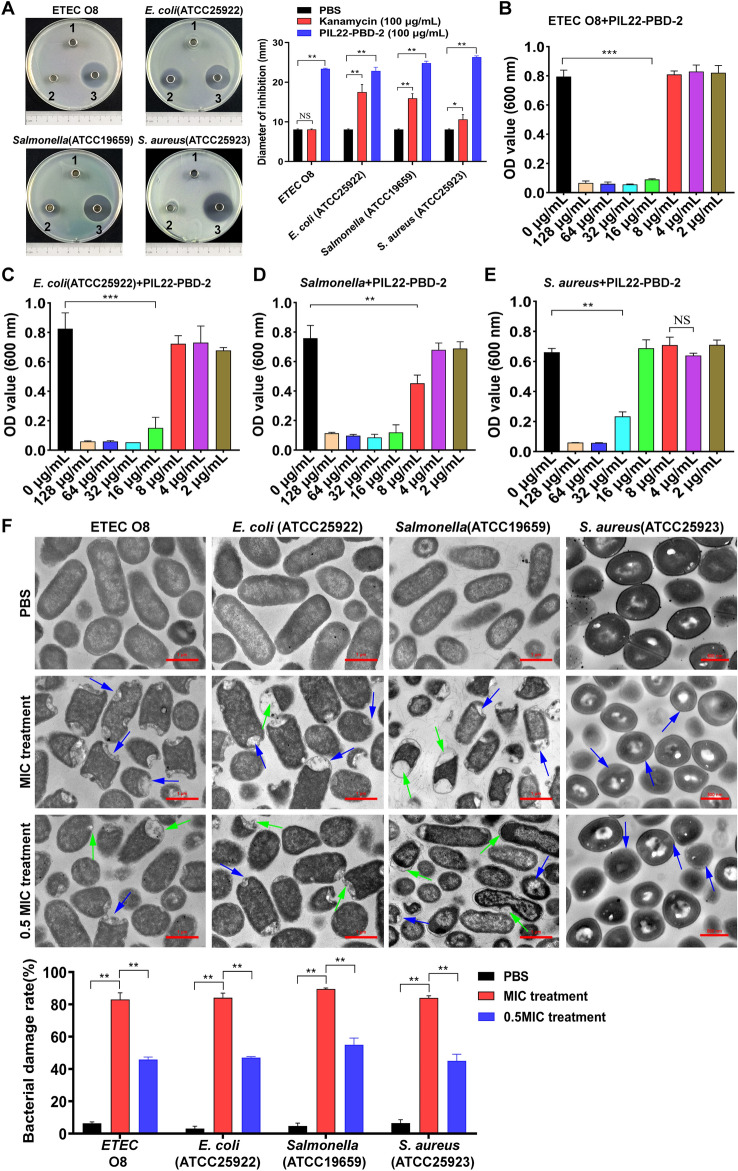
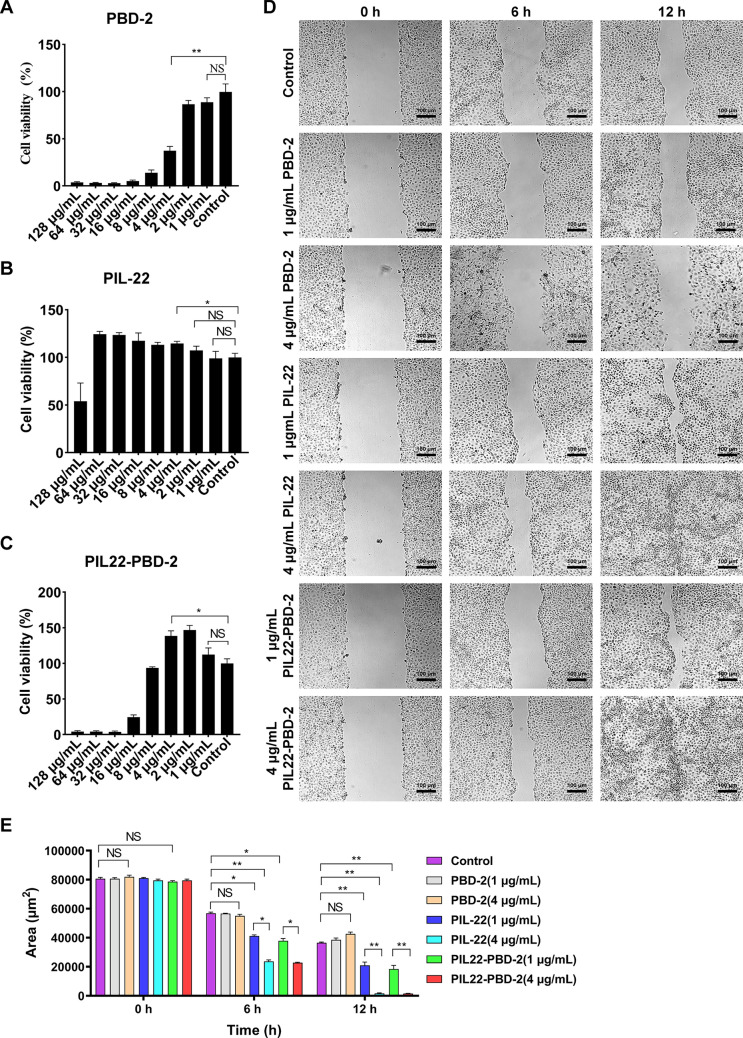
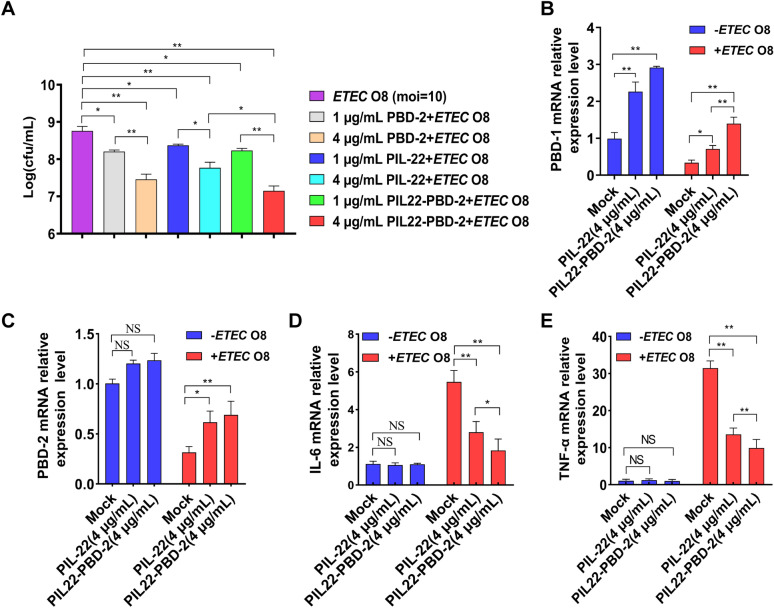
Finding suitable alternatives to antibiotics as feed additives is challenging for the livestock industry. Porcine beta-defensin 2 (PBD-2) is an endogenous antimicrobial peptide produced by pigs. Due to its broad-spectrum antibacterial activity against various microorganisms and its low tendency for drug resistance, it is considered a potential substitute for antibiotics. Additionally, given its strong ability to repair intestinal epithelial damage and maintain intestinal mucosal barrier function, porcine interleukin-22 (PIL-22) is a potential feed additive to combat intestinal damage caused by intestinal pathogens in piglets. In this study, the amino acid sequences of PBD-2 and PIL-22 were combined to express the fusion protein in Pichia pastoris, and its biological activity was evaluated in vitro. Our results showed that the PIL22-PBD-2 exhibits broad-spectrum antibacterial activity against multidrug-resistant enterotoxigenic Escherichia coli O8 (ETEC O8), Escherichia coli (E. coli), Salmonella typhimurium, and Staphylococcus aureus (S. aureus). PIL22-PBD-2 demonstrated wound repair capability through a healing assay in the intestinal porcine epithelial cell line-J2 (IPEC-J2). Furthermore, PIL22-PBD-2 significantly enhanced the expression of the major intercellular junction-associated proteins ZO-1 and E-cadherin in IPEC-J2. It is important to note that PIL22-PBD-2 reduced intestinal epithelial cell apoptosis (p < 0.05) considerably and decreased bacterial adhesion (p < 0.05) in ETEC O8-challenged IPEC-J2. We also found that the PIL22-PBD-2 treatment attenuated ETEC O8-induced inflammatory responses in IPEC-J2 by exerting antibacterial activity, increasing the expression of endogenous antimicrobial peptides, and significantly decreasing the mRNA expression levels of IL-6 and TNF-α (p < 0.05). In conclusion, our studies demonstrate that PIL22-PBD-2 has a positive effect on inhibiting pathogenic bacteria and repairing intestinal damage.
Keywords: Antibiotic-resistant; eukaryotic expression; feed additive; intestinal repair; recombinant antimicrobial protein.
© 2025. The Author(s).
Conflict of interest statement
Declarations. Competing interests: The authors declare that they have no competing interests.
Figures


References
-
- Murugaiyan J, Kumar PA, Rao GS, Iskandar K, Hawser S, Hays JP, Mohsen Y, Adukkadukkam S, Awuah WA, Jose RAM, Sylvia N, Nansubuga EP, Tilocca B, Roncada P, Roson-Calero N, Moreno-Morales J, Amin R, Kumar BK, Kumar A, Toufik AR, Zaw TN, Akinwotu OO, Satyaseela MP, van Dongen MBM (2022) Progress in alternative strategies to combat antimicrobial resistance: focus on antibiotics. Antibiotics 11:200 - DOI - PMC - PubMed
MeSH terms
Substances
Supplementary concepts
Grants and funding
LinkOut - more resources
Full Text Sources
