


Vitamin D: Beyond Traditional Roles-Insights into Its Biochemical Pathways and Physiological Impacts
- PMID: 40077673
- PMCID: PMC11902150
- DOI: 10.3390/nu17050803
Vitamin D: Beyond Traditional Roles-Insights into Its Biochemical Pathways and Physiological Impacts
Abstract
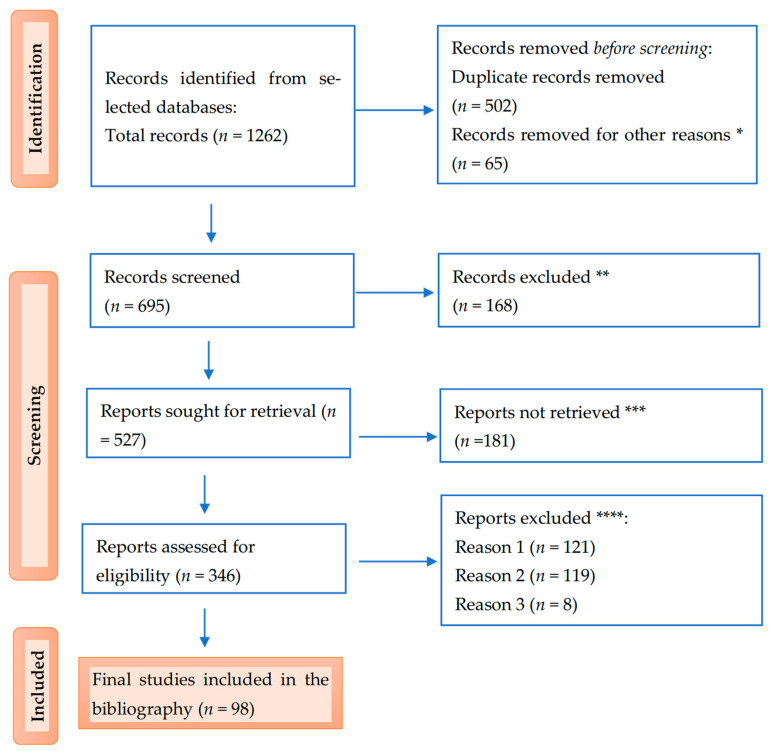
Background: It is true that vitamin D did not earn its title as the "sunshine vitamin" for nothing. In recent years, however, there has been a shift in the perception surrounding vitamin D to a type of hormone that boasts countless bioactivities and health advantages. Historically, vitamin D has been known to take care of skeletal integrity and the calcium-phosphorus balance in the body, but new scientific research displays a much larger spectrum of actions handled by this vitamin. Materials and Methods: A systematic literature search was performed using the following electronic databases: PubMed, Scopus, Web of Science, Embase, and Cochrane Library. Results: Many emerging new ideas, especially concerning alternative hormonal pathways and vitamin D analogs, are uniformly challenging the classic "one hormone-one receptor" hypothesis. To add more context to this, the vitamin D receptor (VDR) was previously assumed to be the only means through which the biologically active steroid 1,25-dihydroxyvitamin D3 could impact the body. Two other molecules apart from the active hormonal form of 1,25(OH)2D3 have gained interest in recent years, and these have reinvigorated research on D3 metabolism. These metabolites can interact with several other nuclear receptors (like related orphan receptor alpha-RORα, related orphan receptor gamma-RORγ, and aryl hydrocarbon receptor-AhR) and trigger various biological responses. Conclusions: This paper thus makes a case for placing vitamin D at the forefront of new holistic and dermatological health research by investigating the potential synergies between the canonical and noncanonical vitamin D pathways. This means that there are now plentiful new opportunities for manipulating and understanding the full spectrum of vitamin D actions, far beyond those related to minerals.
Keywords: deficiency; dermatology; skin; sunshine vitamin; supplementation; vitamin D.
Conflict of interest statement
The authors declare no conflicts of interest.
Figures
References
-
- Khan M.U., Gautam G., Jan B., Zahiruddin S., Parveen R., Ahmad S. Vitamin D from Vegetable VV Sources: Hope for the Future. Phytomed. Plus. 2022;2:100248. doi: 10.1016/j.phyplu.2022.100248. - DOI
Publication types
MeSH terms
Substances
LinkOut - more resources
Full Text Sources
Medical
