EFNA2 Mediates Stiffness-Regulated Hypopharyngeal Cancer Progression
- PMID: 40091591
- PMCID: PMC12146608
- DOI: 10.21053/ceo.2024.00315
EFNA2 Mediates Stiffness-Regulated Hypopharyngeal Cancer Progression
Abstract
Objectives: Hypopharyngeal cancer (HPC), originating from the hypopharyngeal mucosa, is associated with a poor prognosis. Extracellular matrix (ECM) stiffness is closely linked to tumor progression and patient outcomes. This study aimed to investigate the effects of matrix stiffness and to identify molecular markers relevant to HPC prognosis, with the goal of improving clinical outcomes.
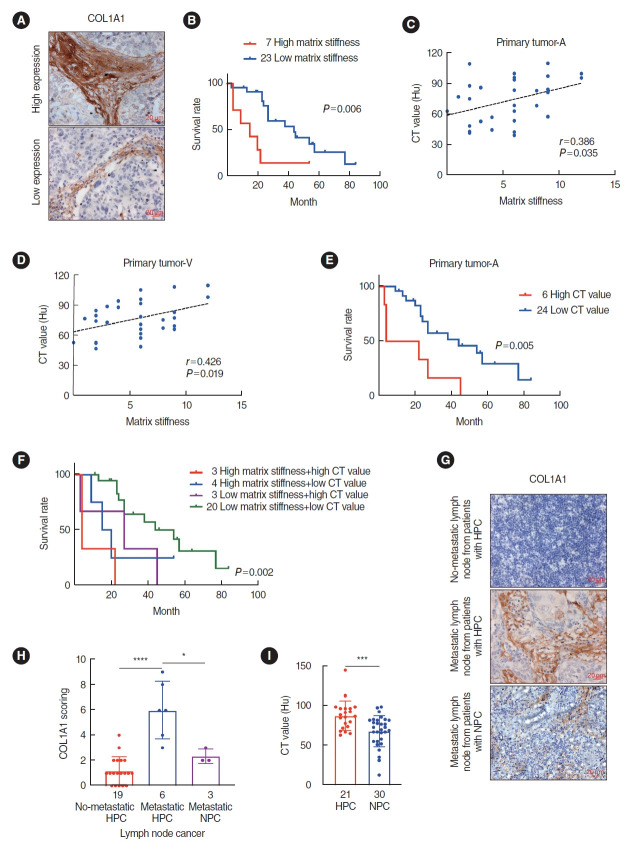
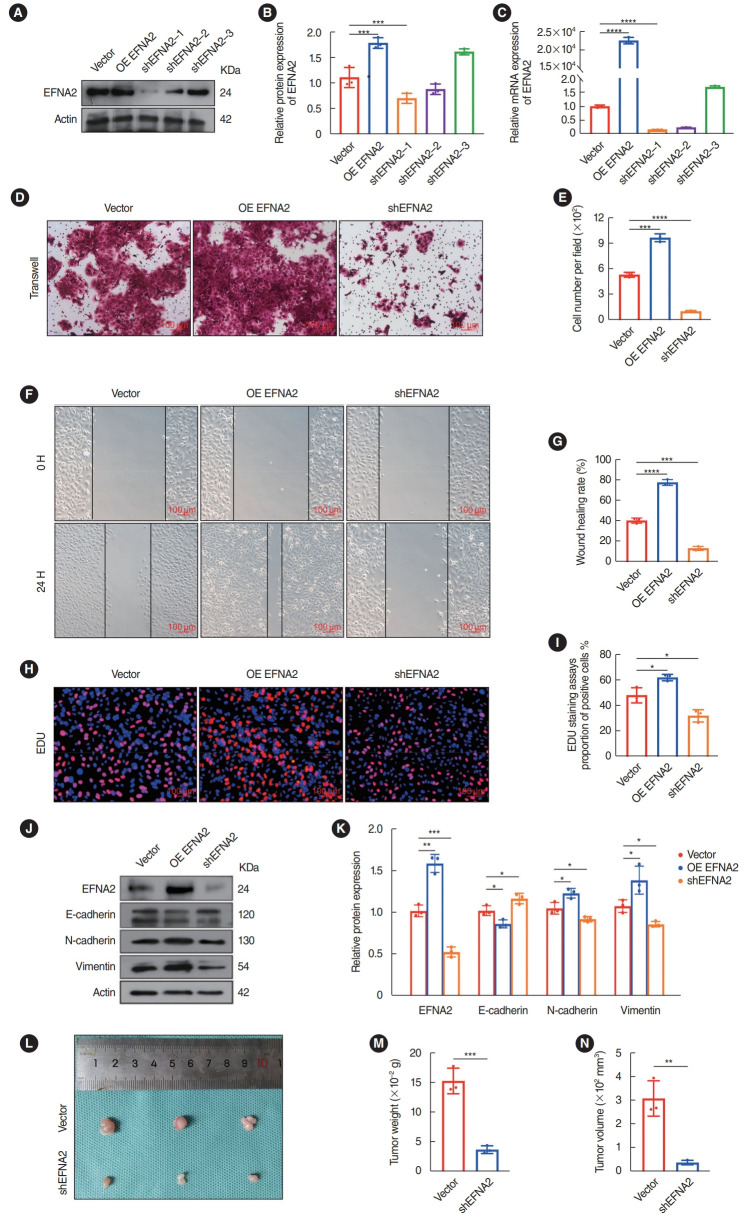
Methods: Immunohistochemical analysis and cervical enhanced computed tomography (CT) data were used to evaluate correlations among CT values, matrix stiffness, and prognosis, and to develop a prognostic model for HPC. Cell culture models with varying matrix stiffness were established using polypropylene hydrogel. Western blotting, colony formation, EDU incorporation, and Transwell assays were employed to assess the effects of matrix stiffness on proliferation, migration, invasion, and epithelial-mesenchymal transition (EMT). High-throughput sequencing identified differentially expressed genes in HPC cells cultured on matrices of differing stiffness. Gene editing, in vivo subcutaneous tumorigenesis studies, and Western blotting were performed to elucidate the molecular mechanisms by which high matrix stiffness influences HPC progression and the role of ephrin A2 (EFNA2) in proliferation, migration, and EMT.
Results: Arterial phase CT values were positively correlated with matrix stiffness. Increased matrix stiffness was associated with lymph node metastasis, diminished therapeutic response, and poorer prognosis. Furthermore, metastatic lymph nodes in HPC patients exhibited higher CT values than those in patients with nasopharyngeal carcinoma. A high-stiffness ECM promoted proliferation, migration, and EMT in HPC cells. Mechanistically, a stiff ECM enhanced EFNA2 expression, thereby promoting proliferation, migration, EMT, and tumor growth in vivo.
Conclusion: EFNA2 and elevated matrix stiffness jointly contribute to the malignant phenotype in HPC. EFNA2 may represent a potential therapeutic target for managing HPC progression induced by high matrix stiffness.
Keywords: EFNA2; Epithelial-Mesenchymal Transition; Hypopharyngeal Carcinoma; Matrix Stiffness.
Conflict of interest statement
No potential conflict of interest relevant to this article was reported.
Figures



References
-
- Chow LQM. Head and neck cancer. N Engl J Med. 2020 Jan;382(1):60–72. - PubMed
-
- Kwon DI, Miles BA, Education Committee of the American Head and Neck Society (AHNS) Hypopharyngeal carcinoma: do you know your guidelines. Head Neck. 2019 Mar;41(3):569–76. - PubMed
-
- Wells RG. The role of matrix stiffness in regulating cell behavior. Hepatology. 2008 Apr;47(4):1394–400. - PubMed
-
- Feng J, Tang Y, Xu Y, Sun Q, Liao F, Han D. Substrate stiffness influences the outcome of antitumor drug screening in vitro. Clin Hemorheol Microcirc. 2013;55(1):121–31. - PubMed
Grants and funding
LinkOut - more resources
Full Text Sources