


Environmental consequences of interacting effects of changes in stratospheric ozone, ultraviolet radiation, and climate: UNEP Environmental Effects Assessment Panel, Update 2024
- PMID: 40095356
- PMCID: PMC11971163
- DOI: 10.1007/s43630-025-00687-x
Environmental consequences of interacting effects of changes in stratospheric ozone, ultraviolet radiation, and climate: UNEP Environmental Effects Assessment Panel, Update 2024
Erratum in
-
Correction to: Environmental consequences of interacting effects of changes in stratospheric ozone, ultraviolet radiation, and climate: UNEP Environmental Effects Assessment Panel, Update 2024.Photochem Photobiol Sci. 2025 May;24(5):863-865. doi: 10.1007/s43630-025-00731-w. Photochem Photobiol Sci. 2025. PMID: 40341993 No abstract available.
Abstract
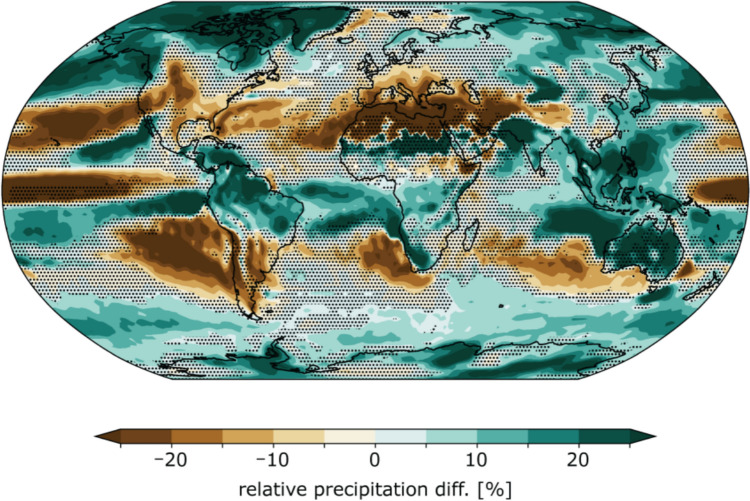
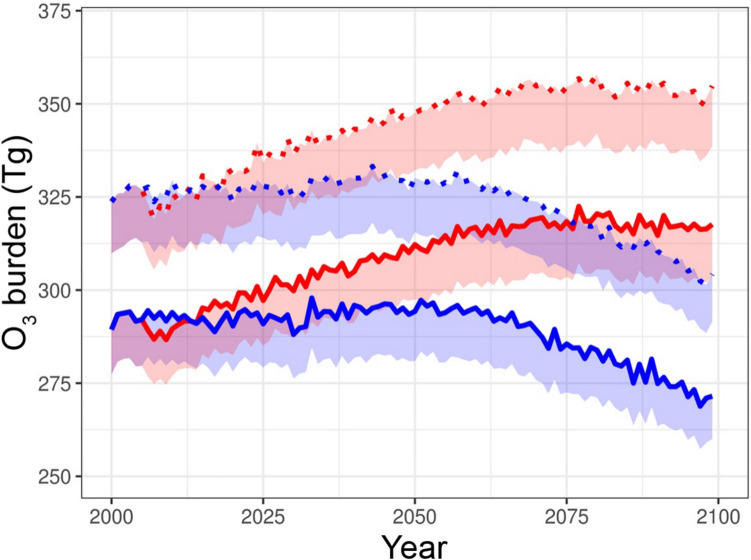
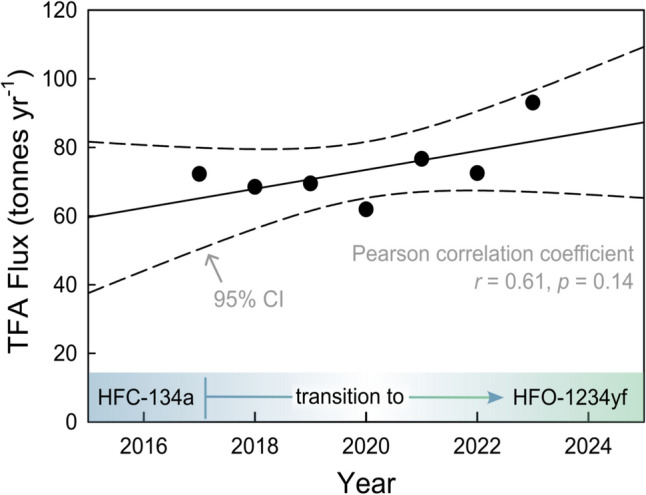
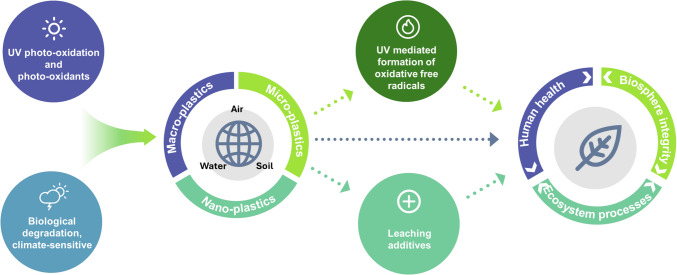
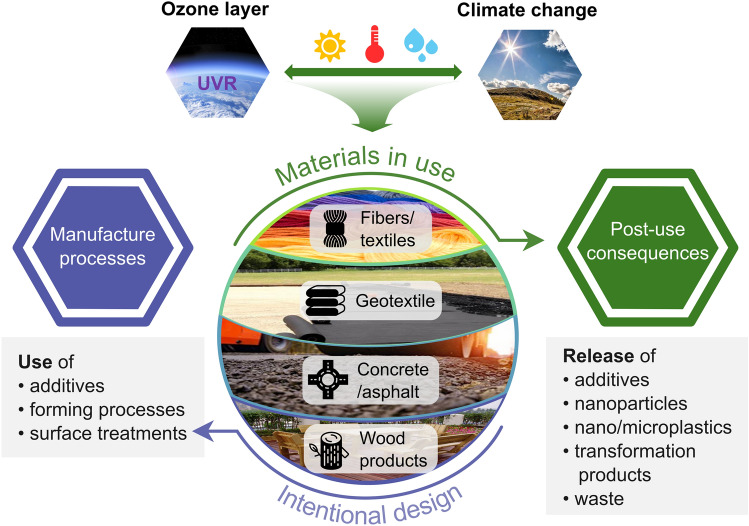
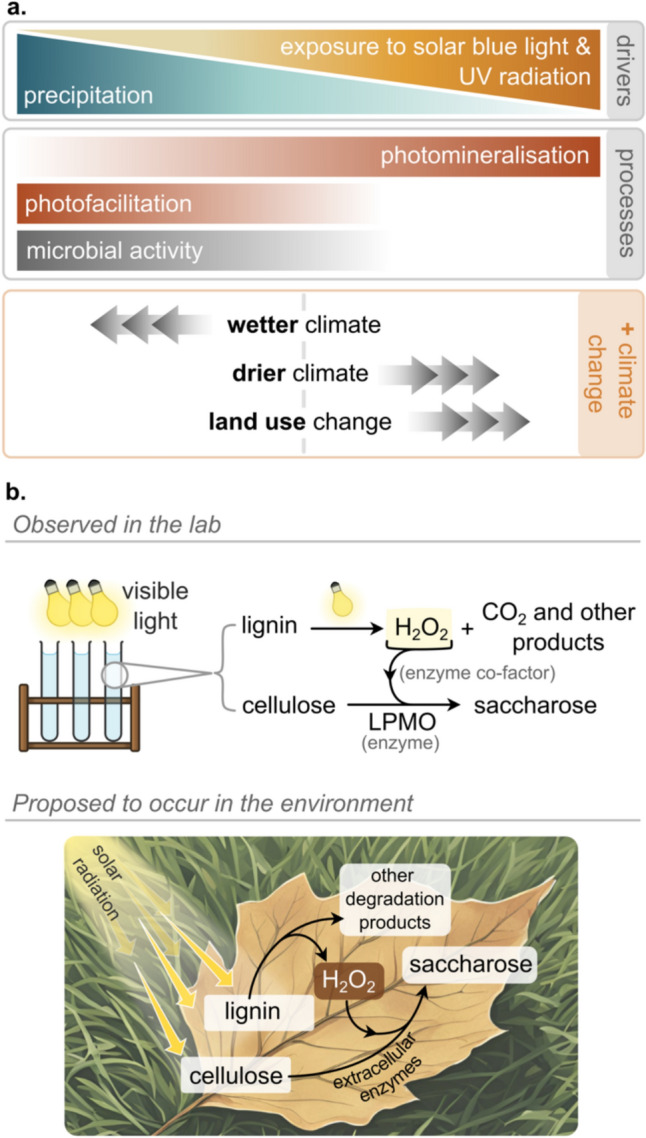
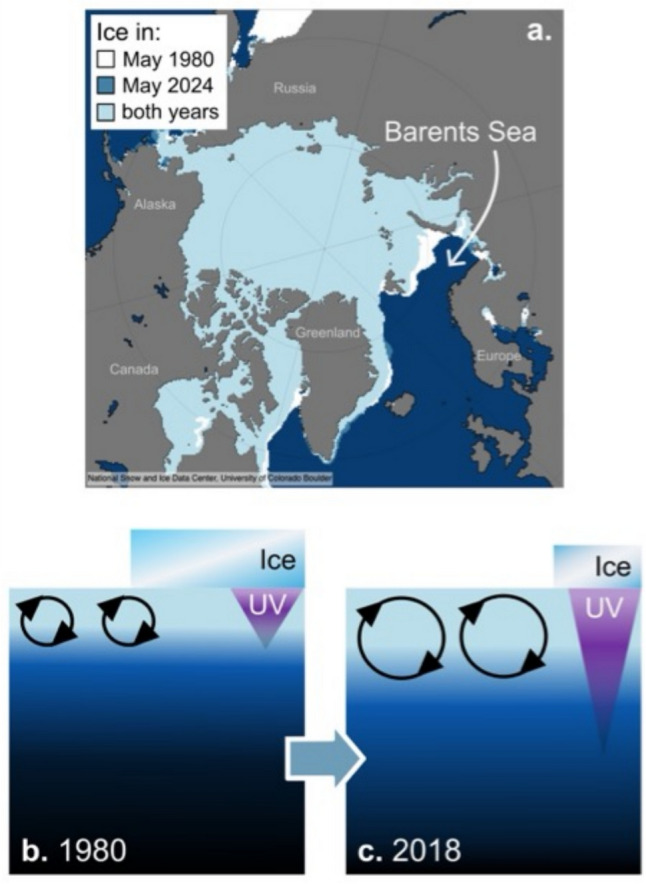
This Assessment Update by the Environmental Effects Assessment Panel (EEAP) of the United Nations Environment Programme (UNEP) addresses the interacting effects of changes in stratospheric ozone, solar ultraviolet (UV) radiation, and climate on the environment and human health. These include new modelling studies that confirm the benefits of the Montreal Protocol in protecting the stratospheric ozone layer and its role in maintaining a stable climate, both at low and high latitudes. We also provide an update on projected levels of solar UV-radiation during the twenty-first century. Potential environmental consequences of climate intervention scenarios are also briefly discussed, illustrating the large uncertainties of, for example, Stratospheric Aerosol Injection (SAI). Modelling studies predict that, although SAI would cool the Earth's surface, other climate factors would be affected, including stratospheric ozone depletion and precipitation patterns. The contribution to global warming of replacements for ozone-depleting substances (ODS) are assessed. With respect to the breakdown products of chemicals under the purview of the Montreal Protocol, the risks to ecosystem and human health from the formation of trifluoroacetic acid (TFA) as a degradation product of ODS replacements are currently de minimis. UV-radiation and climate change continue to have complex interactive effects on the environment due largely to human activities. UV-radiation, other weathering factors, and microbial action contribute significantly to the breakdown of plastic waste in the environment, and in affecting transport, fate, and toxicity of the plastics in terrestrial and aquatic ecosystems, and the atmosphere. Sustainability demands continue to drive industry innovations to mitigate environmental consequences of the use and disposal of plastic and plastic-containing materials. Terrestrial ecosystems in alpine and polar environments are increasingly being exposed to enhanced UV-radiation due to earlier seasonal snow and ice melt because of climate warming and extended periods of ozone depletion. Solar radiation, including UV-radiation, also contributes to the decomposition of dead plant material, which affects nutrient cycling, carbon storage, emission of greenhouse gases, and soil fertility. In aquatic ecosystems, loss of ice cover is increasing the area of polar oceans exposed to UV-radiation with possible negative effects on phytoplankton productivity. However, modelling studies of Arctic Ocean circulation suggests that phytoplankton are circulating to progressively deeper ocean layers with less UV irradiation. Human health is also modified by climate change and behaviour patterns, resulting in changes in exposure to UV-radiation with harmful or beneficial effects depending on conditions and skin type. For example, incidence of melanoma has been associated with increased air temperature, which affects time spent outdoors and thus exposure to UV-radiation. Overall, implementation of the Montreal Protocol and its Amendments has mitigated the deleterious effects of high levels of UV-radiation and global warming for both environmental and human health.
© 2025. The Author(s).
Conflict of interest statement
Declarations. Conflicts of interest: AL is a member of the Australian Capital Territory (ACT) Climate Change Council. The ACT Climate Change Council provides advice to the Minister for Water, Energy and Emissions Reduction on reducing greenhouse gas emissions and adapting to climate change. GHB works for Biospherical Instruments, Inc, which manufactures instruments for monitoring solar UV-radiation. LE Revell receives New Zealand Government funding via the Royal Society Te Apārangi (Marsden Fund and Rutherford Discovery Fellowships) and Ministry for the Environment. LE Rhodes has research collaborations with Clinuvel Pharmaceuticals Ltd and Mitsubishi Tanabe Pharma America Inc. MPSA receives or has received funding in support of related research from Honeywell International, the Chemours Company, the National Science Foundation, and NASA. REN and CMO receive funding from the Australian National Health and Medical Research Council for related work. SAR is Editor of Global Change Biology, Deputy Director of Securing Antarctica’s Environmental Future (SAEF), and receives funding from the Australian Research Council.
Figures



References
-
- Newman, P. A., Oman, L. D., Douglass, A. R., Fleming, E. L., Frith, S. M., Hurwitz, M. M., Kawa, S. R., Jackman, C. H., Krotkov, N. A., Nash, E. R., Nielsen, J. E., Pawson, S., Stolarski, R. S., & Velders, G. J. M. (2009). What would have happened to the ozone layer if chlorofluorocarbons (CFCs) had not been regulated? Atmospheric Chemistry and Physics,9(6), 2113–2128. 10.5194/acp-9-2113-2009 - DOI
-
- McKenzie, R., Bernhard, G., Liley, B., Disterhoft, P., Rhodes, S., Bais, A., Morgenstern, O., Newman, P., Oman, L., Brogniez, C., & Simic, S. (2019). Success of Montreal protocol demonstrated by comparing high-quality UV measurements with “World Avoided” calculations from two chemistry-climate models. Scientific Reports,9(1), 12332. 10.1038/s41598-019-48625-z - DOI - PMC - PubMed
-
- Zilker, F., Sukhodolov, T., Chiodo, G., Friedel, M., Egorova, T., Rozanov, E., Sedlacek, J., Seeber, S., & Peter, T. (2023). Stratospherically induced circulation changes under the extreme conditions of the no-Montreal-protocol scenario. Atmospheric Chemistry and Physics,23(20), 13387–13411. 10.5194/acp-23-13387-2023 - DOI
-
- Egorova, T., Sedlacek, J., Sukhodolov, T., Karagodin-Doyennel, A., Zilker, F., & Rozanov, E. (2023). Montreal protocol’s impact on the ozone layer and climate. Atmospheric Chemistry and Physics,23(9), 5135–5147. 10.5194/acp-23-5135-2023 - DOI
-
- WMO. (2022). Scientific Assessment of Ozone Depletion: 2022. Gaw report no. 278, 509 pp., WMO; geneva. https://ozone.unep.org/science/assessment/sap
MeSH terms
Substances
Grants and funding
LinkOut - more resources
Full Text Sources
Medical
