


Leveraging machine learning for precision medicine: a predictive model for cognitive impairment in cholestasis patients
- PMID: 40102737
- PMCID: PMC11921514
- DOI: 10.1186/s12876-025-03711-7
Leveraging machine learning for precision medicine: a predictive model for cognitive impairment in cholestasis patients
Abstract
Background: Cholestasis, characterized by impaired bile flow, impacts cognitive function through systemic mechanisms, including inflammation and metabolic dysregulation. Despite its significance, targeted predictive models for cognitive impairment in cholestasis remain underexplored. This study addresses this gap by developing a machine learning-based predictive model tailored to this population.
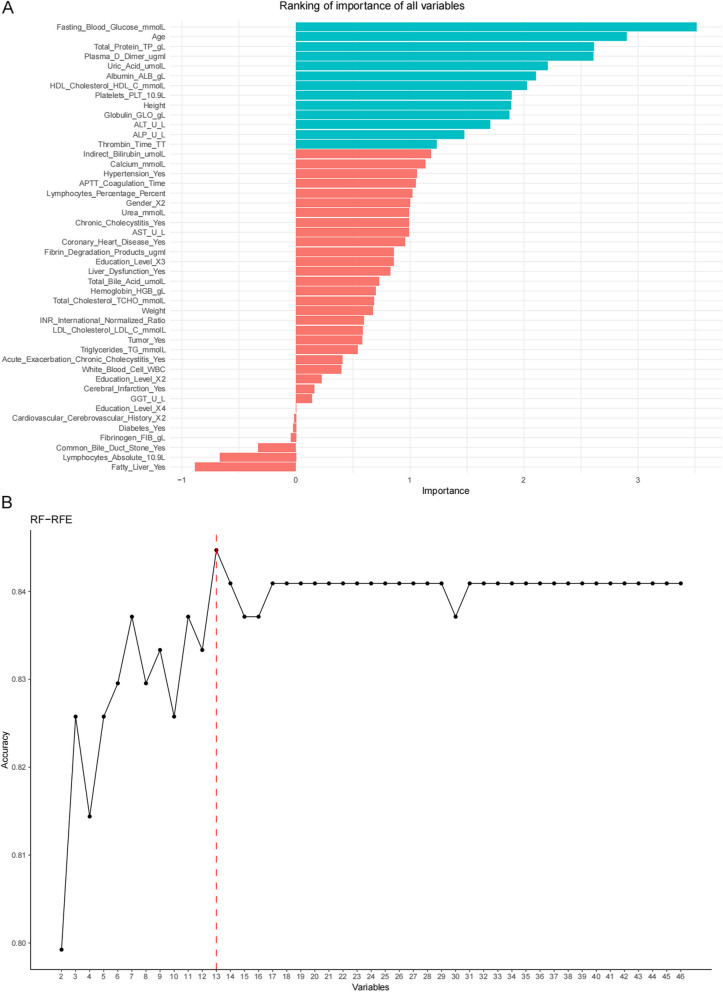
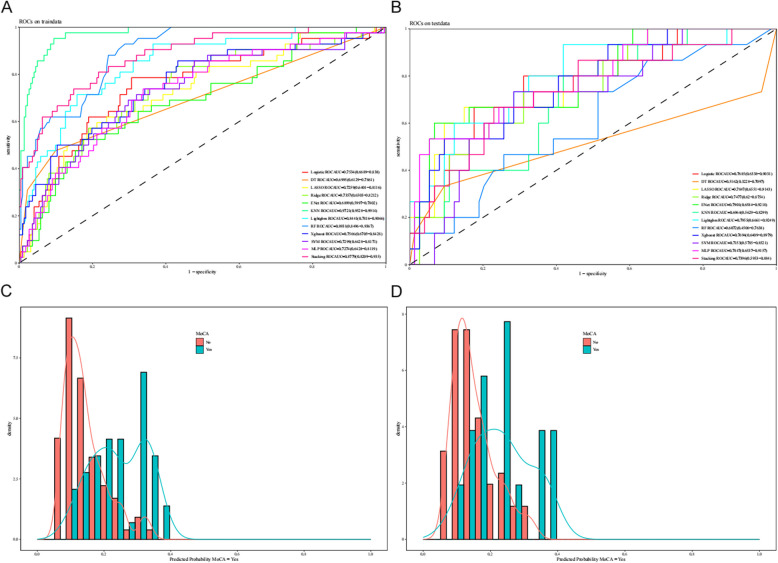
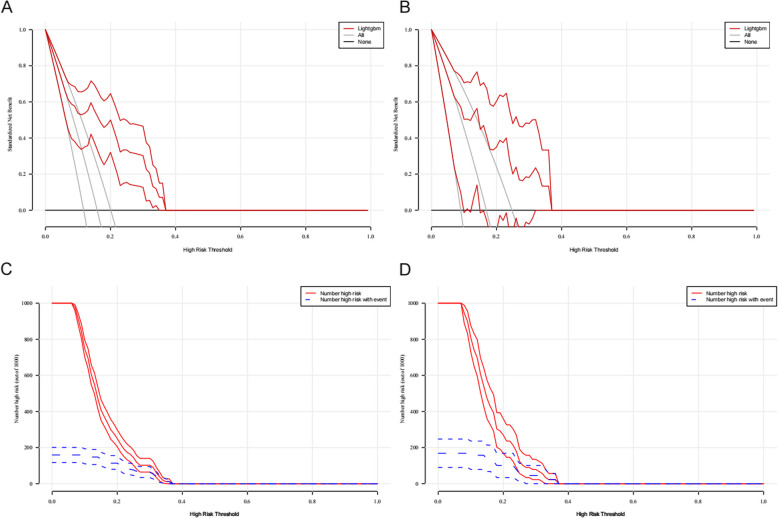
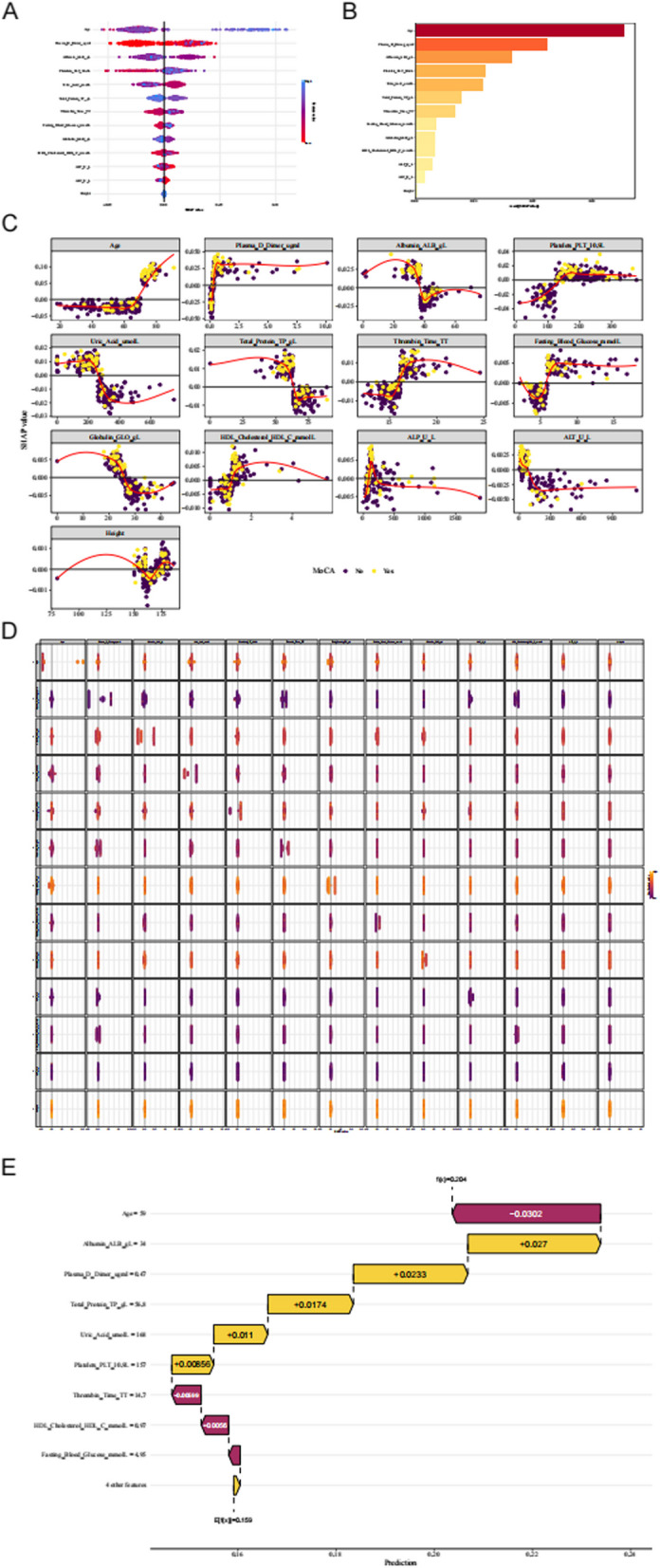
Methods: Clinical and biochemical data from Qingyang People's Hospital (2021-2023) were used to train and validate models for predicting cognitive impairment (MoCA ≤ 17). Recursive feature elimination identified critical predictors, while LightGBM and other machine learning models were evaluated. SHAP analysis enhanced model interpretability, and clinical utility was assessed through decision curve analysis (DCA).
Results: LightGBM outperformed other models with an AUC of 0.7955 on the testing dataset. Age, plasma D-dimer, and albumin were key predictors. SHAP analysis revealed non-linear interactions among features, demonstrating the model's clinical alignment. DCA confirmed its utility in improving patient stratification.
Conclusion: The developed LightGBM-based model effectively predicts cognitive impairment in cholestasis patients, providing actionable insights for early intervention. Integrating this tool into clinical workflows can enhance precision medicine and improve outcomes in this high-risk population.
Keywords: Cholestasis; Cognitive impairment; LightGBM; Machine learning; Predictive modeling.
© 2025. The Author(s).
Conflict of interest statement
Declarations. Ethics approval and consent to participate: This study was approved by the Qingyang Municipal People's Hospital Ethics Committee (QYRMYY[2021]-002). Written informed consent to participate was obtained from all participants prior to their inclusion in the study. Consent for publication: Not Applicable. Competing interests: The authors declare no competing interests.
Figures
References
-
- Niknahad H, Nadgaran A, Alidaee S, Arjmand A, Abdoli N, Mazloomi SM, Akhlagh A, Nikoozadeh A, Kashani SMA, Mehrabani PS, et al. Thiol-reducing agents abate cholestasis-induced lung inflammation, oxidative stress, and histopathological alterations. Trends Pharm Sci. 2023;9(1):55–70.
-
- Huang F, Pariante CM, Borsini A. From dried bear bile to molecular investigation: a systematic review of the effect of bile acids on cell apoptosis, oxidative stress and inflammation in the brain, across pre-clinical models of neurological, neurodegenerative and neuropsychiatric disorders. Brain Behav Immun. 2022;99:132–46. - DOI - PubMed
-
- Pierzchala K, Simicic D, Sienkiewicz A, Sessa D, Mitrea S, Braissant O, McLin VA, Gruetter R, Cudalbu C. Central nervous system and systemic oxidative stress interplay with inflammation in a bile duct ligation rat model of type C hepatic encephalopathy. Free Radical Biol Med. 2022;178:295–307. - DOI - PubMed
MeSH terms
Grants and funding
LinkOut - more resources
Full Text Sources
Medical
Miscellaneous
