


The Role of Glucagon-Like Peptide-1 (GLP-1) Receptor Agonists in Acute Cholecystitis After a Routine Colonoscopy: A Case Report
- PMID: 40104488
- PMCID: PMC11919247
- DOI: 10.7759/cureus.79105
The Role of Glucagon-Like Peptide-1 (GLP-1) Receptor Agonists in Acute Cholecystitis After a Routine Colonoscopy: A Case Report
Abstract
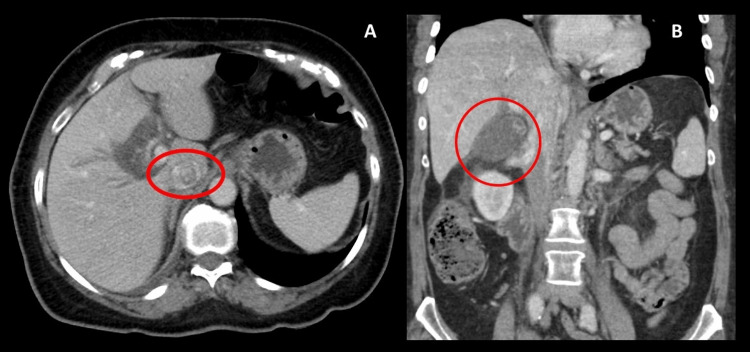
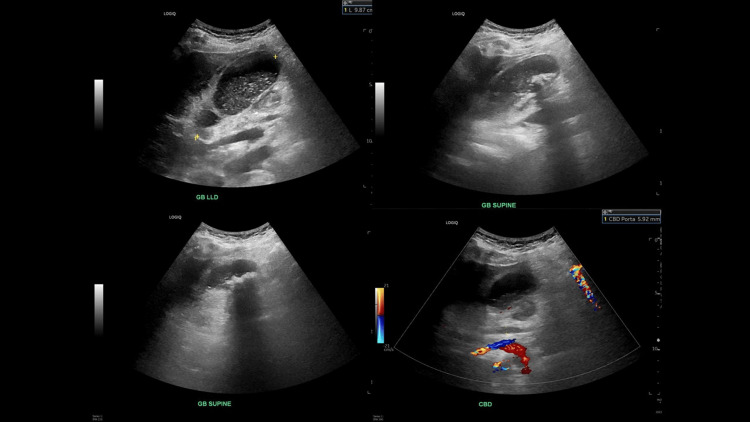
Colonoscopy (CLN) is a common procedure for colon cancer screening and diagnosing various conditions. Acute cholecystitis (AC), though rare, has been reported as a complication. We present a 66-year-old female on semaglutide for obesity who developed AC within 72 hours post-CLN. Considering the increasing use of glucagon-like peptide-1 receptor agonists (GLP-1 RAs) and their impact on gallbladder motility, these medications may contribute to this complication. Future research is crucial to investigate whether a washout period for GLP-1 agonists before CLN is needed to reduce the risk of AC, if such a risk exists.
Keywords: acute cholecystitis; colonoscopy complications; glp-1 receptor agonist; pericholecystic fluid; semaglutide.
Copyright © 2025, Abdulraheem et al.
Conflict of interest statement
Human subjects: Consent for treatment and open access publication was obtained or waived by all participants in this study. Conflicts of interest: In compliance with the ICMJE uniform disclosure form, all authors declare the following: Payment/services info: All authors have declared that no financial support was received from any organization for the submitted work. Financial relationships: All authors have declared that they have no financial relationships at present or within the previous three years with any organizations that might have an interest in the submitted work. Other relationships: All authors have declared that there are no other relationships or activities that could appear to have influenced the submitted work.
Figures
References
-
- Colonoscopy cholecystitis. Milman PJ, Goldenberg SP. Am J Gastroenterol. 2001;96:1666. - PubMed
Publication types
LinkOut - more resources
Full Text Sources