


Nonlinear association between hematocrit levels and short-term all-cause mortality in ICU patients with acute pancreatitis: insights from a retrospective cohort study
- PMID: 40108526
- PMCID: PMC11921640
- DOI: 10.1186/s12876-025-03764-8
Nonlinear association between hematocrit levels and short-term all-cause mortality in ICU patients with acute pancreatitis: insights from a retrospective cohort study
Abstract
Objectives: The purpose of this study was to investigate the relationship between hematocrit levels and the mortality of patients with acute pancreatitis (AP), since limited research has examined this association in intensive care unit (ICU).
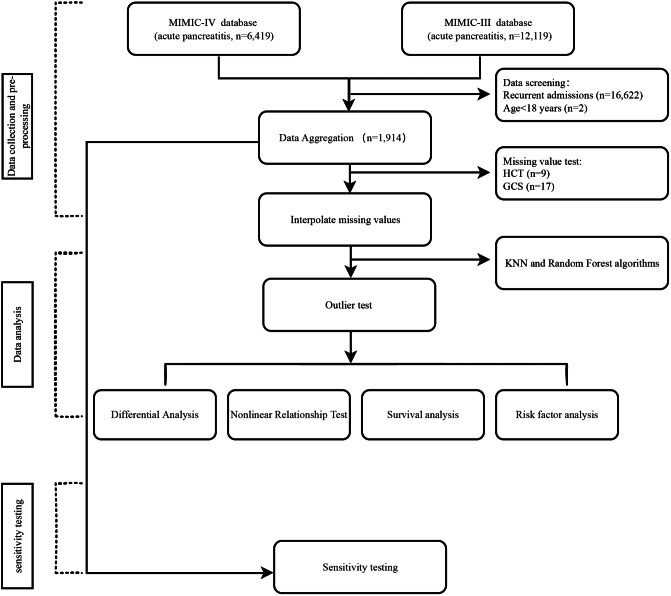
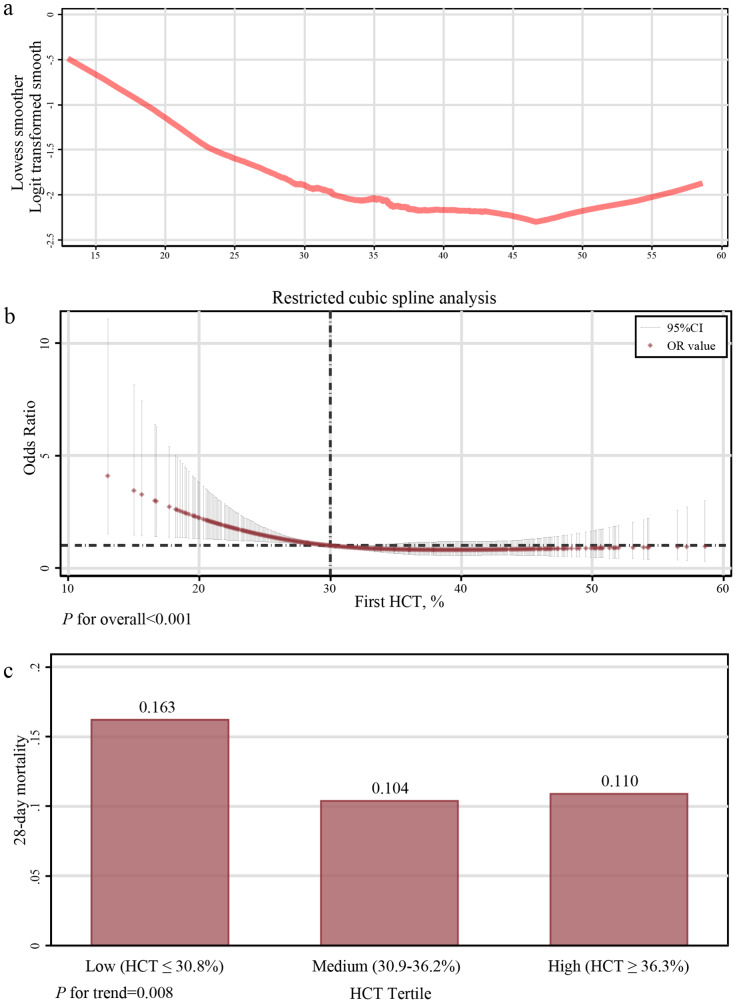
Methods: In this study, clinical data were retrieved from Medical Information Mart for Intensive Care database for patients diagnosed with AP. Nonlinear relationships between hematocrit and prognosis were examined through Locally Estimated Scatterplot Smoothing (LOESS) regression, restricted cubic splines (RCS), and U-test analyses. The impact of hematocrit on prognosis was further explored using with a binomial generalized linear model with a logit link, while adjusting for potential confounding factors.
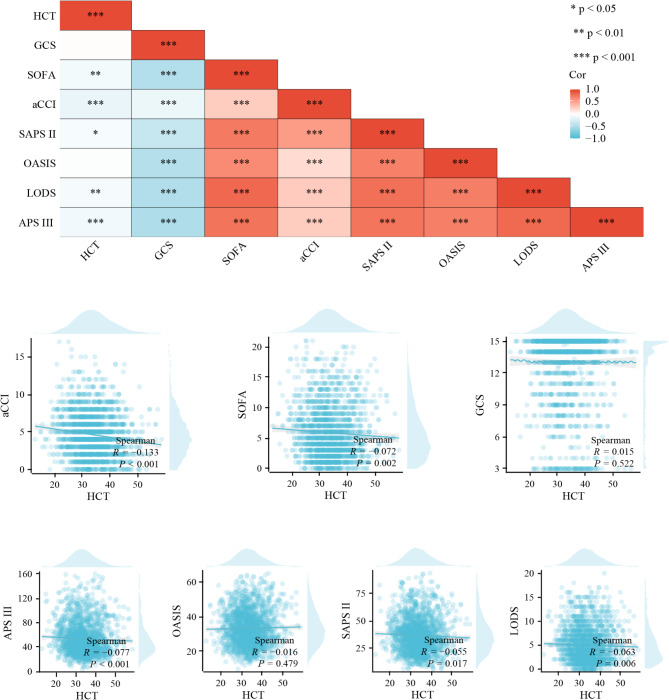
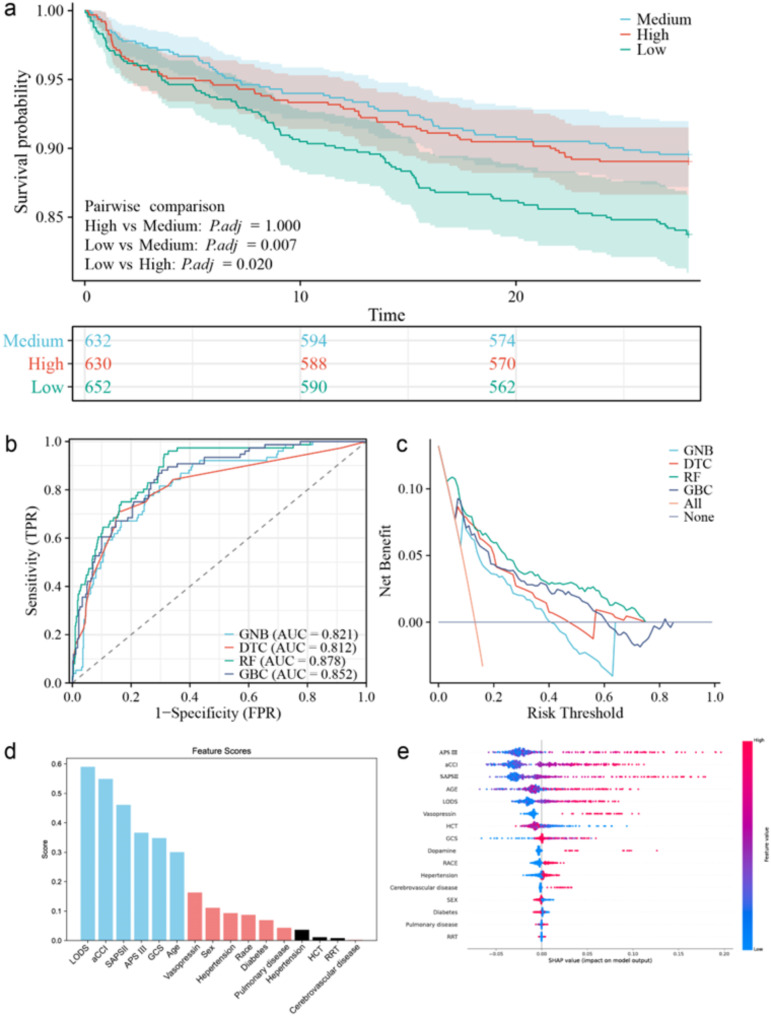
Results: The study encompassed 1,914 patients with AP, revealing a significant difference in hematocrit levels between survivors and non-survivors (33.6 (29.5, 38.1) vs. 32.1 (28.1, 37.4), P < 0.001). Hematocrit emerged as an independent prognostic indicator for mortality in both univariate and multivariate logistic regression analyses (all P < 0.05). Findings from LOESS regression, RCS regression, and the U-test indicated a U-shaped correlation between hematocrit levels and 28-day mortality, with both elevated and decreased hematocrit levels leading to increased mortality risk (P for overall < 0.001). Tertile grouping revealed that lower hematocrit levels (< 30.8%) were associated with heightened 28-day mortality risk (Crude model: Odds ratio (OR) (95%Confidence Interval (CI)) = 1.665 (1.198-2.314); fully adjusted model: adjusted OR = 1.474 (1.005-2.161), all P < 0.05). Survival analyses further supported the adverse prognosis associated with low hematocrit levels.
Conclusions: The findings of this study indicate that in AP patients in the intensive care unit, only low HCT levels were identified as a risk factor for 28-day mortality, despite the presence of a U-shaped correlation between HCT levels and 28-day all-cause mortality.
Keywords: Cohort study; Critical care; Erythrocyte pressure; Pancreatitis; Risk factors.
© 2025. The Author(s).
Conflict of interest statement
Declarations. Ethics approval and consent to participate: Ethical approval was secured from the Ethics Committee of Tongji Hospital, Tongji Medical College, Huazhong University of Science and Technology (approval number: TJ-IRB20230763). Given the retrospective nature of this study, the requirement for informed consent was deemed waived. Consent for publication: Not applicable. Competing interests: The authors declare no competing interests.
Figures
References
MeSH terms
Grants and funding
LinkOut - more resources
Full Text Sources
Medical
