


Intermittent Use of Continuous Glucose Monitoring in Type 2 Diabetes Is Preferred: A Qualitative Study of Patients' Experiences
- PMID: 40116013
- PMCID: PMC12127601
- DOI: 10.1177/26350106251326517
Intermittent Use of Continuous Glucose Monitoring in Type 2 Diabetes Is Preferred: A Qualitative Study of Patients' Experiences
Abstract
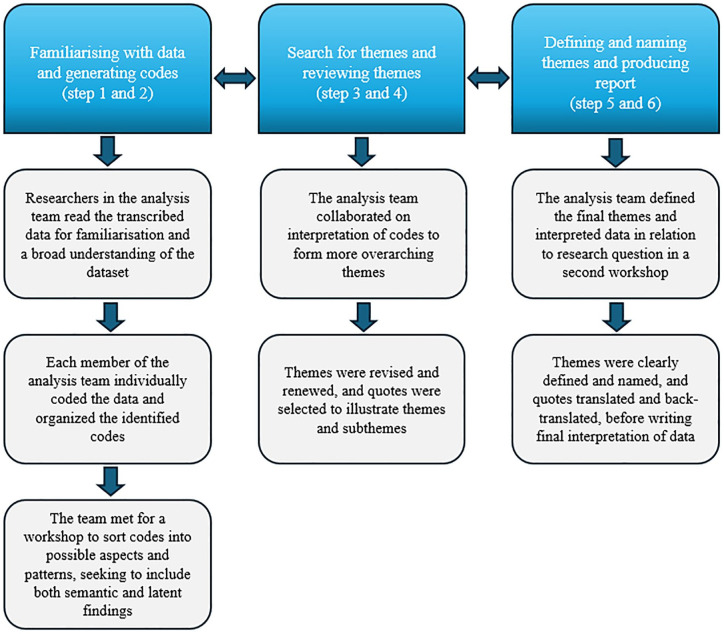
PurposeThe purpose of the study was to explore experiences with use of a continuous glucose monitor (CGM) in people with type 2 diabetes (T2DM).MethodsA qualitative study with individual semistructured interviews at 2 time points was conducted; first with 14 adults, ages 45 to 74 years (8 women) and second with 9 of the first interviewed adults (5 women) approximately 2 years later. Participants used CGM before, during, and 3 months after the concentrated group intervention. Thematic analysis was performed on the transcribed interviews.ResultsThree main themes were identified regarding the use of CGMs: (1) a gamechanger in diabetes education, (2) intermittent use is preferred, and (3) a balancing act. The participants described the use of CGMs as a valuable tool in diabetes education. It increased their understanding of insulin demand and sensitivity and strengthened their awareness of how to make more health-promoting micro-choices in everyday life. Intermittent use was described as the preferred way of using CGMs. Some experienced that CGMs could be challenging, and in periods of satisfactory glucose control, CGM use was experienced as unnecessary, underpinning intermittent use as appropriate.ConclusionStudy findings showed that participants with T2DM experienced CGMs as a valuable tool to gain deeper understanding of processes in the body, which could improve diabetes self-management. CGMs can facilitate more healthy micro-choices in life. Intermittent use of CGMs is most often the preferred approach for people with T2DM, but access to CGMs should take individual preferences into consideration.
Conflict of interest statement
Declaration of Conflicting InterestsThe authors report no conflicts of interest in this work. Abbott Rapid Diagnostics AS, Norway, did not participate in any way regarding this study.
References
-
- Powers MA, Bardsley JK, Cypress M, et al. Diabetes self-management education and support in adults with type 2 diabetes: a consensus report of the American Diabetes Association, the Association of Diabetes Care & Education Specialists, the Academy of Nutrition and Dietetics, the American Academy of Family Physicians, the American Academy of PAs, the American Association of Nurse Practitioners, and the American Pharmacists Association. J Am Pharm Assoc. 2020;60(6):e1-e18. doi: 10.1016/j.japh.2020.04.018 - DOI - PubMed
-
- Ceriello A, Pratichizzo F, Phillip M, Hirsch IB, Mathieu C, Battelino T. Glycemic management in diabetes: old and new approaches. Lancet Diabetes Endocrinol. 2022;10(1):75-84. doi:10.1016/ S2213-8587(21)00245-X - PubMed
Publication types
MeSH terms
Substances
LinkOut - more resources
Full Text Sources
Medical
