Epidemiology and management of infections in critically ill neonates: findings from a cohort study in a Brazilian neonatal intensive care unit
- PMID: 40131324
- PMCID: PMC11936347
- DOI: 10.1099/jmm.0.001968
Epidemiology and management of infections in critically ill neonates: findings from a cohort study in a Brazilian neonatal intensive care unit
Abstract
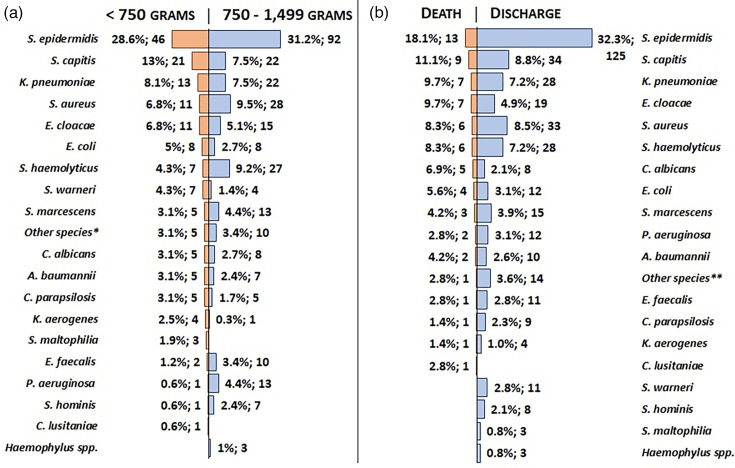
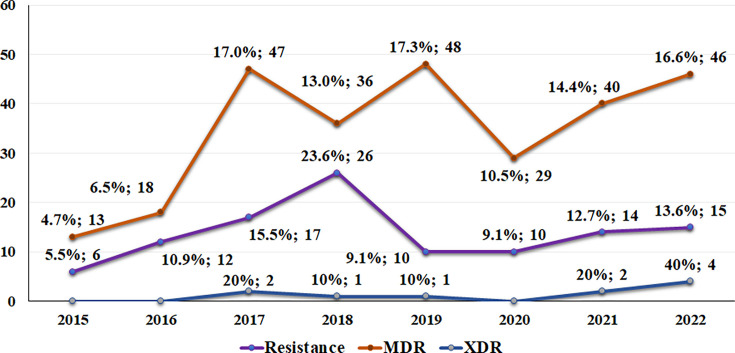
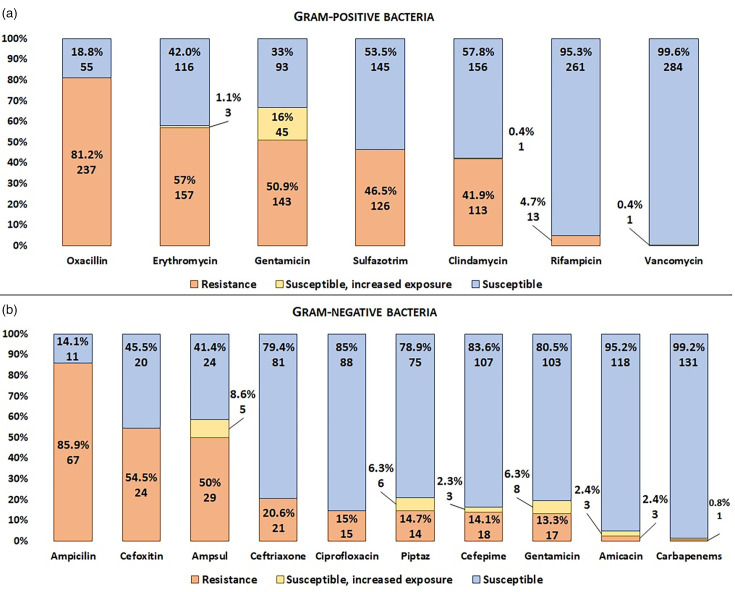
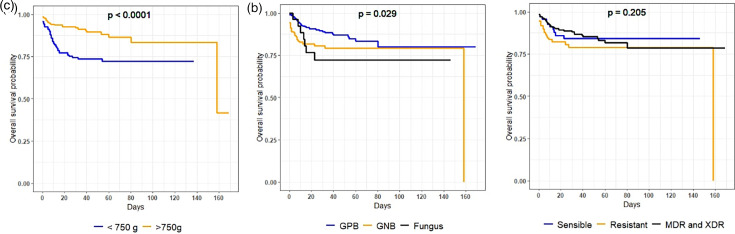
Introduction. Healthcare-associated infections (HAIs) are the leading cause of preventable death in neonatal intensive care units (NICUs), particularly among very low birth weight (VLBW) infants.Hypothesis/Gap Statement: VLBW neonates are at higher risk of HAIs, particularly those caused by Gram-negative bacteria (GNB) and fungi, which can negatively impact their survival and prolong hospitalization.Aim. To determine the risk factors, aetiology, antimicrobial susceptibility and clinical outcomes of HAIs in VLBW neonates in a Brazilian NICU.Methodology. This retrospective cohort study analysed the medical records of VLBW newborns admitted to the NICU from January 2015 to December 2022.Results. Among VLBW neonates, 269/670 (40.1%) developed HAIs and 203/670 (30.3%) developed sepsis. The incidence of HAIs (54.5% vs. 36.2%) and sepsis (49.7% vs. 25%) was higher in neonates weighing less than 750 g. The median birth weight of infected newborns was 960 g, and the median age of infection onset was 16 days. There were 292/456 (64%) infections caused by Gram-positive bacteria, 138/456 (30.3%) by GNB and 26/456 (5.7%) by fungi. Of the isolates, 277/456 (60.7%) were multidrug-resistant. Newborns weighing less than 750 g or infected with GNB and/or fungi had lower survival rates. Previous use of antifungals was the main predictor of infection (P<0.01; odds ratio=4.21). Infections prolonged hospital stay from 25 to 42 days. The mortality rate was 17.6%, with a case lethality rate of 16.4%; 75% of deaths in the infected group were due to sepsis.Conclusion. The high incidence of infection emphasizes the need for infection control and antimicrobial management. Low birth weight is associated with increased risk of infection and decreased survival. The increase in GNB and fungal infections requires prevention and treatment strategies to reduce neonatal morbidity and mortality.
Keywords: birth weight; infant health; infection control; perinatal death; premature birth.
Conflict of interest statement
All authors declare no conflicts of interest.
Figures
References
-
- Hanna M, Shah R, Marquez L, Barzegar R, Gordon A, et al. Infant isolation and cohorting for preventing or reducing transmission of healthcare-associated infections in neonatal units. Cochrane Database Syst Rev. 2023;6:CD012458. doi: 10.1002/14651858.CD012458.pub2. Epub ahead of print 2023. - DOI - PMC - PubMed
MeSH terms
Substances
LinkOut - more resources
Full Text Sources
Medical
Miscellaneous