


Consequences of loneliness/isolation and visitation restrictions on the mood of long-term care residents without severe dementia pre-COVID-19 and during COVID-19: a scoping review
- PMID: 40139711
- PMCID: PMC11950938
- DOI: 10.1136/bmjopen-2024-090522
Consequences of loneliness/isolation and visitation restrictions on the mood of long-term care residents without severe dementia pre-COVID-19 and during COVID-19: a scoping review
Abstract
Background: Mental health disorders are common among residents of long-term care (LTC). Despite depression being the most common type of mental illness, it is often undiagnosed in LTC. Due to its prevalence, chronicity and associated morbidity, depression poses a considerable service use burden. The COVID-19 pandemic has brought needed attention to the mental health challenges faced by older adults in LTC.
Objectives: To explore the effects of isolation on the mood of LTC residents and compare between both the pre-COVID-19 and COVID-19 periods.
Design: A scoping review.
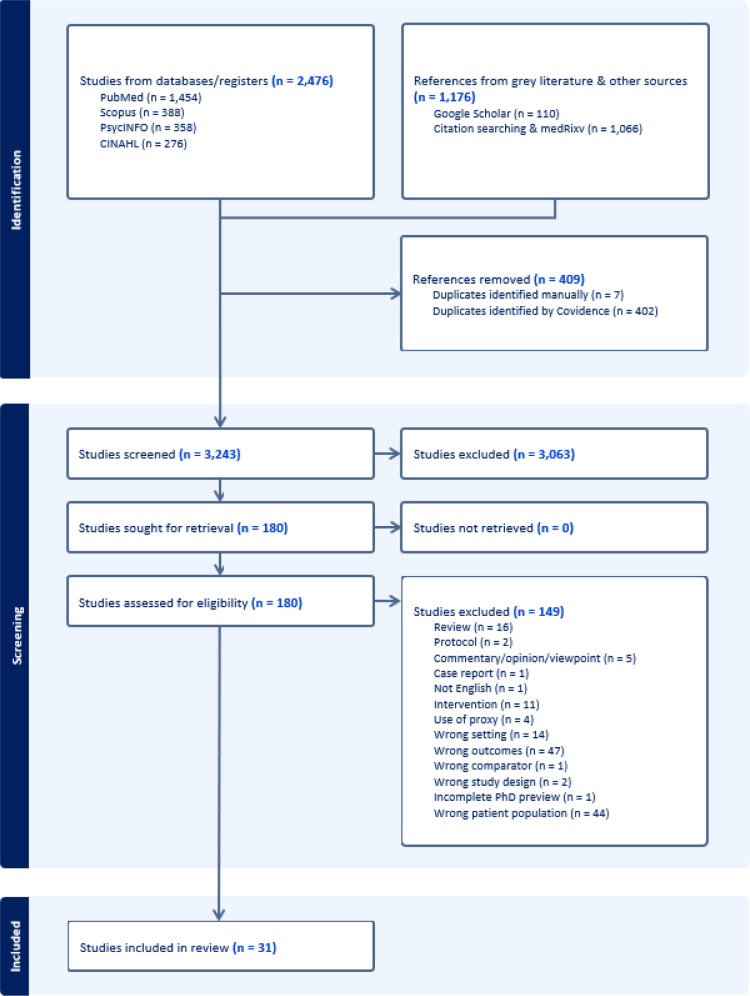
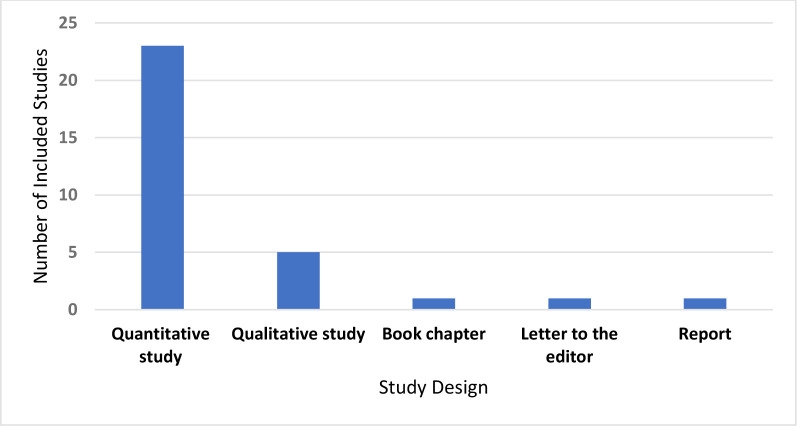
Methods: PubMed, CINAHL, PsycINFO, SCOPUS, Google Scholar and medRxiv were searched for studies that met the eligibility criteria: (1) articles assessing mood or mental health status of LTC residents; (2) mood disturbance resulting from visitation restrictions/isolation or loneliness; (3) residents were without severe dementia or moderate/severe cognitive impairment and (4) studies were available in English. Studies were excluded if their entire sample was residents with severe cognitive impairment or severe dementia. A total of 31 studies were included in this review. The total number of articles retrieved from the databases searched was 3652 articles, of which 409 duplicates were removed. 3242 article titles and abstracts were screened for eligibility, of which 3063 were excluded. The remaining 180 full-text studies were reviewed for eligibility, where an additional 149 studies were excluded. Data were then extracted from all full-length pieces for analysis, and findings were summarised.
Results: The review identified contradictory views with a diversity of findings highlighting the complexity of factors influencing residents' mood during a global health crisis such as that of COVID-19. Studies highlighted the importance of quality interactions with others for the well-being of LTC residents. Significant correlations were found between social isolation, loneliness and depression. During COVID-19, visitation restrictions led to increased loneliness, depression and mood problems, especially among residents without cognitive impairment. However, some studies reported no significant adverse effects or even a decrease in depression symptoms during COVID-19 restrictions, possibly due to implemented strategies to maintain social engagement.
Conclusion: The COVID-19 pandemic had a substantial impact on LTC homes, influencing the physical and mental well-being of residents. This highlighted pre-existing challenges in the LTC system, emphasising the importance of comprehensive strategies to safeguard resident mental health. It is important to combine measures to ensure both physical safety and mental well-being.
Keywords: Ageing; COVID-19; Depression & mood disorders; Nursing Homes; Old age psychiatry.
© Author(s) (or their employer(s)) 2025. Re-use permitted under CC BY-NC. No commercial re-use. See rights and permissions. Published by BMJ Group.
Conflict of interest statement
Competing interests: None declared.
Figures
References
-
- Institute for Health Metrics and Evaluation . WA: 2020. The global burden of disease: gbd reults: institute for health metrics and evaluation seattle.
Publication types
MeSH terms
LinkOut - more resources
Full Text Sources
Medical
Miscellaneous
