


The Impact of the COVID-19 Pandemic on the Clinical and Epidemiological Profile of Severe Acute Respiratory Infection in Bahia, Brazil: A Comparative Analysis of Pre- and Post-Pandemic Trends
- PMID: 40143317
- PMCID: PMC11946068
- DOI: 10.3390/v17030389
The Impact of the COVID-19 Pandemic on the Clinical and Epidemiological Profile of Severe Acute Respiratory Infection in Bahia, Brazil: A Comparative Analysis of Pre- and Post-Pandemic Trends
Abstract
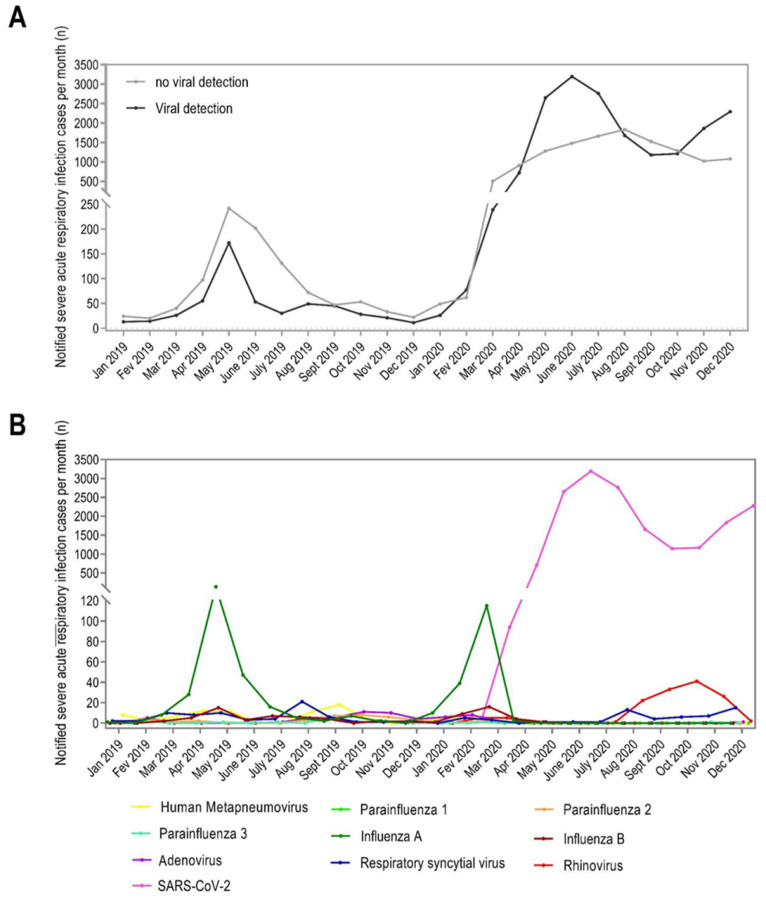
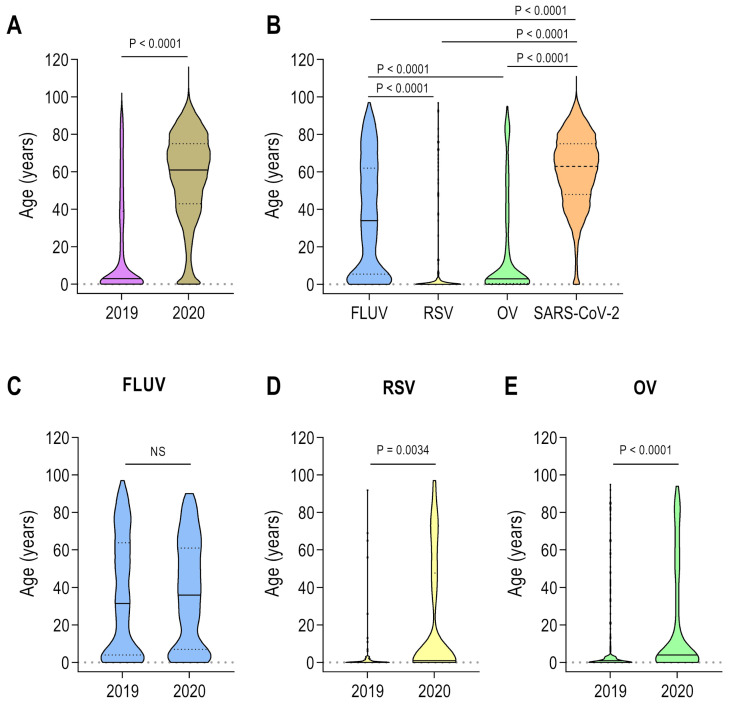
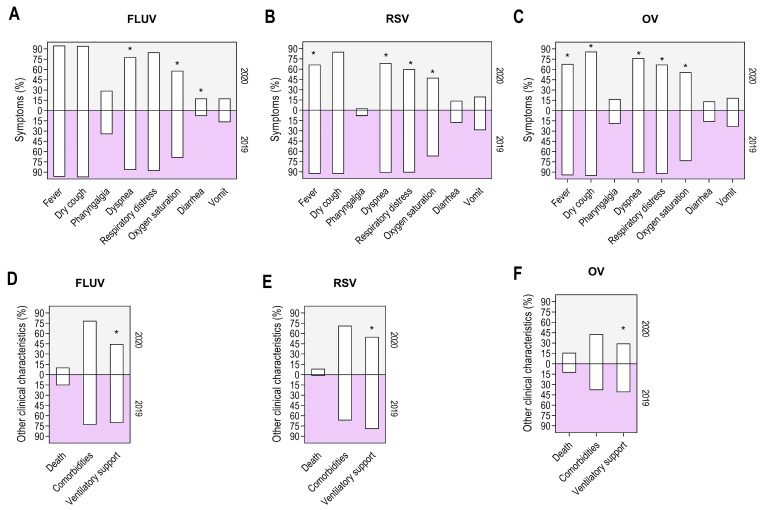
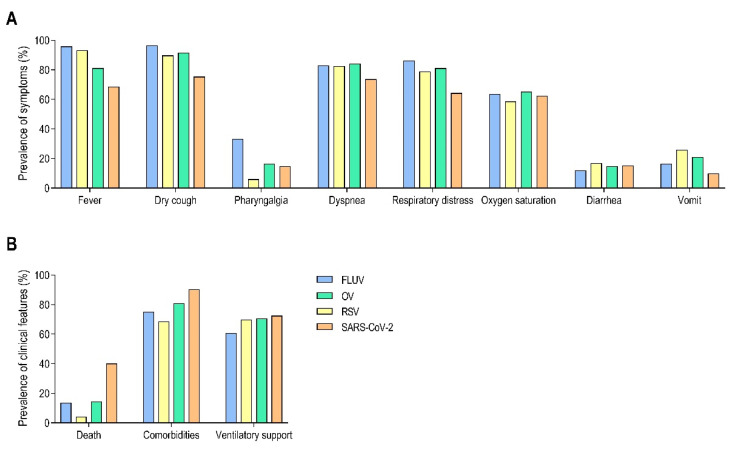
In recent years, the incidence of Severe Acute Respiratory Infection (SARI) has increased due to the emergence of SARS-CoV-2. However, the impact of the COVID-19 pandemic extends beyond mortality rates. Recent analyses suggest that the introduction and spread of SARS-CoV-2 have significantly affected the epidemiology of other key respiratory viruses, such as influenza virus (FLUV), respiratory syncytial virus (RSV), and rhinovirus (RV). These changes raise new questions about the dynamics and incidence of post-COVID-19 respiratory infections, as well as potential alterations in symptom profiles and clinical outcomes. In this study, we analyzed data from the Epidemiological Surveillance Information System of Respiratory Viral Agents (SIVEP-Gripe), established by the Brazilian Ministry of Health, to examine the profile of SARI before and during the COVID-19 pandemic in Brazil. Our data reveal a distinct epidemiological pattern, with a significant decrease in FLUV notifications during the pandemic, accompanied by peaks in RSV and RV cases in late 2020. Additionally, there was a shift in the age distribution of RSV and other viral infections, with individuals infected during the pandemic being older than those infected before the pandemic. Interestingly, the introduction and spread of SARS-CoV-2 in Bahia State resulted in a reduction in the frequency of symptoms associated with non-SARS-CoV-2 SARI, without altering clinical outcomes. Our findings suggest that the circulation of SARS-CoV-2 has contributed to a clinical and epidemiological shift, particularly for FLUV, RSV, and other viruses, marked by a reduction in symptoms such as fever, dyspnea, respiratory distress, and the need for ventilatory support. The underlying mechanisms driving these changes remain unclear. These insights are crucial for public health authorities and policymakers to refine surveillance strategies and enhance control measures for respiratory viruses, particularly those causing SARI.
Keywords: SARI; SARS-CoV-2; influenza virus; respiratory syncytial virus; seasonality; symptoms.
Conflict of interest statement
The authors declare no conflicts of interest.
Figures
References
-
- Fitzner J., Qasmieh S., Mounts A.W., Alexander B., Besselaar T., Briand S., Brown C., Clark S., Dueger E., Gross D., et al. Revision of clinical case definitions: Influenza-like illness and severe acute respiratory infection. Bull. World Health Organ. 2018;96:122–128. doi: 10.2471/BLT.17.194514. - DOI - PMC - PubMed
-
- World Health Organization (WHO) Global Influenza Programme. [(accessed on 12 February 2025)]. Available online: https://www.who.int/teams/global-influenza-programme/surveillance-and-mo....
Publication types
MeSH terms
Grants and funding
LinkOut - more resources
Full Text Sources
Medical
Miscellaneous
