


Shedding light on eating disorders in adolescents with type 1 diabetes: insights and implications
- PMID: 40163174
- PMCID: PMC11958379
- DOI: 10.1007/s00431-025-06081-0
Shedding light on eating disorders in adolescents with type 1 diabetes: insights and implications
Abstract
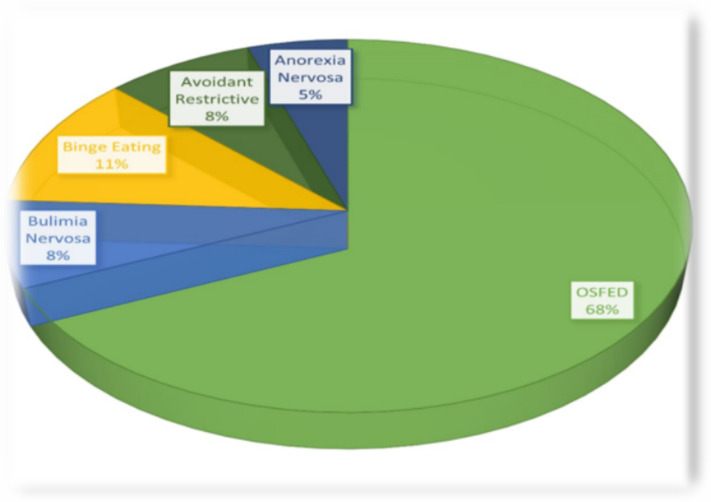
Eating disorders (EDs) are complex medical conditions that pose a considerable health burden for individuals with type 1 diabetes mellitus (T1DM). EDs in individuals with T1DM are linked to poor metabolic control, which heightens the risk of diabetes complications. Consequently, regular screening for EDs is essential. This study investigates the prevalence of EDs in adolescents with T1DM, investigating the associations with diabetes duration, pubertal stage, glycemic control, and diabetes-related complications. In this cross-sectional study, 350 adolescents (155 males, 195 females) with T1DM, aged 12-18, were recruited from Mansoura University Children's Hospital. Participants completed the Diabetes Eating Problem Survey-Revised (DEPS-R) questionnaire, with scores ≥ 20 prompting clinical interviews to confirm EDs. Clinical data, including HbA1c, BMI, and body composition, were analyzed. Socioeconomic status (SES) and family factors were assessed. The prevalence of EDs was 22.6%, including other specified feeding or eating disorders (OSFED) (68.4%), binge eating (11.4%), bulimia nervosa (7.6%), avoidant restrictive (7.6%), and anorexia nervosa (5.1%). Binary logistic regression analysis showed that the significant predictors of ED in the study cohort were diabetes duration (OR = 1.75 (1.66-1.84), p < 0.001), and HbA1c (OR = 5.94 (2.4-14.6), p < 0.001). Conclusions: Adolescents with EDs had higher (SES), more family conflicts, longer diabetes duration, and were more prone to diabetic nephropathy and poor glycemic control. Screening for EDs is recommended from pre-adolescence through early adulthood. What Is Known: • Adolescents with T1DM are more vulnerable to develop EDs compared to their peers without T1DM What Is New: • The DEPS-R and DSM-V were useful clinical tools for screening and for diagnosis of EDs respectively among adolescents with T1DM • We advise to screen for EDs in adolescents with T1DM who aged around 13.6 years, at Tanner stage 3, with duration of T1DM >5 years, and/or with HbA1c >7.5.
Keywords: Eating behaviors; Eating disorders; Type 1 diabetes.
© 2025. The Author(s).
Conflict of interest statement
Declarations. Ethical approval: This study was performed in line with the principles of the Declaration of Helsinki. The study protocol was approved by the Ethics Committee of the Mansoura Faculty of Medicine-Institutional Research Board (Code number: MS.21.03.1435). Consent to participate: Informed consent was obtained from the parents of all individual participant included in the study. Consent for publication: N/A. Competing interests: The authors declare no competing interests.
Figures
References
-
- Corbett T, Smith J (2020) Disordered eating and body image in adolescents with type 1 diabetes. Diabetes Care Child Young People 9(3):53
-
- Vila G, Robert JJ, Nollet-Clemencon C, Vera L, Crosnier H, Rault G, ..., Mouren-Simeoni MC (1995) Eating and emotional disorders in adolescent obese girls with insulin-dependent diabetes mellitus. Eur Child Adolesc Psychiatry 4:270–279 - PubMed
-
- Marucci S, De Iaco G, Lisco G, Mariano F, Giagulli VA, Guastamacchia E et al (2022) Eating disorders and type 1 diabetes: a perspective. Endocr Metab Immune Disord-Drug Targets (Formerly Current Drug Targets-Immune, Endocrine & Metabolic Disorders) 22(13):1245–1251 - PubMed
MeSH terms
LinkOut - more resources
Full Text Sources
Medical
