


The Functional Characterization of Venous Thromboembolic Disease (FUVID) study: rationale, design, and methods of a prospective, observational, multicenter study to evaluate mechanisms of exercise intolerance and dyspnea following pediatric pulmonary embolism
- PMID: 40166588
- PMCID: PMC11957776
- DOI: 10.1016/j.rpth.2024.102669
The Functional Characterization of Venous Thromboembolic Disease (FUVID) study: rationale, design, and methods of a prospective, observational, multicenter study to evaluate mechanisms of exercise intolerance and dyspnea following pediatric pulmonary embolism
Abstract
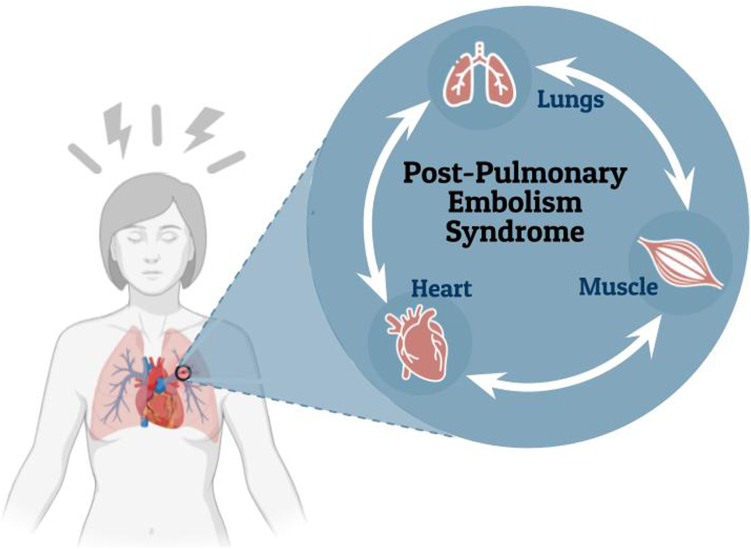
Background: To date, the focus of investigation in pediatric pulmonary embolism (PE) has been on PE recurrence and anticoagulant-related bleeding. While highly relevant, these outcomes do not fully capture functional limitations and the psychological impact that comprises post-PE syndrome.
Objectives: The primary objective of the Functional Characterization of Venous Thromboembolic Disease (FUVID) study was to investigate mechanisms of post-PE syndrome in children.
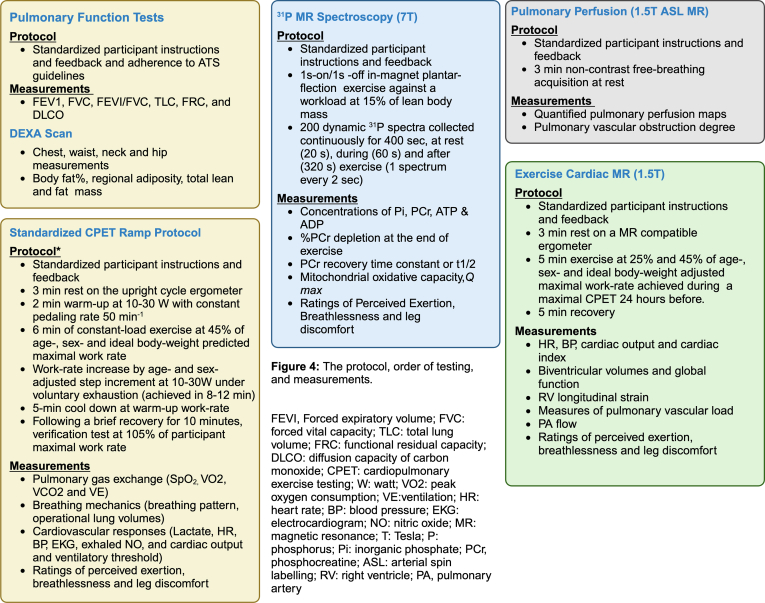
Methods: The ongoing FUVID study will prospectively enroll and systematically follow, over 12 months and with standardized pulmonary, cardiac, and muscle testing, a multicenter prospective cohort of 80 pediatric patients with first-episode PE without comorbidities. FUVID has 2 coprimary outcomes: exercise intolerance and exertional dyspnea. Exercise intolerance will be defined objectively as a percent predicted peak oxygen uptake based on ideal body weight or milliliters per minute per kilogram of lean body mass during cardiopulmonary exercise testing. Dyspnea will be objectively quantified using Borg questionnaires and defined as a mean difference of >1 at the end of the warm-up and submaximal work rates during exercise testing, simulating conditions during daily life that induce dyspnea. Pertinent secondary outcomes include anxiety, depression, and quality of life.
Conclusion: The FUVID study will investigate the relationship between symptoms (exercise intolerance and exertional dyspnea) and multiple mechanisms-hemodynamic, ventilatory, or peripheral/muscle-within the same patient at rest, submaximal exercise (simulating activities of daily living), and maximal exercise using objective measures. It will provide new evidence for selecting patients for long-term follow-up, including psychological sequelae, after PE, the modalities this follow-up should include, and the findings interpreted as indicating functional limitations after PE.
Keywords: children; pediatrics; post–pulmonary embolism syndrome; pulmonary embolism; venous thromboembolism.
© 2024 The Author(s).
Figures


References
-
- Raffini L., Huang Y.S., Witmer C., Feudtner C. Dramatic increase in venous thromboembolism in children’s hospitals in the United States from 2001 to 2007. Pediatrics. 2009;124:1001–1008. - PubMed
-
- Goldenberg N.A., Kittelson J.M., Abshire T.C., Bonaca M., Casella J.F., Dale R.A., et al. Effect of anticoagulant therapy for 6 weeks vs 3 months on recurrence and bleeding events in patients younger than 21 years of age with provoked venous thromboembolism: the Kids-DOTT randomized clinical trial. JAMA. 2022;327:129–137. - PMC - PubMed
-
- O'Brien S.H., Zia A. Hemostatic and thrombotic disorders in the pediatric patient. Blood. 2022;140:533–541. - PubMed
-
- Goldenberg N.A., Knapp-Clevenger R., Manco-Johnson M.J., Mountain States Regional Thrombophilia Group Elevated plasma factor VIII and D-dimer levels as predictors of poor outcomes of thrombosis in children. N Engl J Med. 2004;351:1081–1088. - PubMed
