


Pathogenic variants identification in primary congenital glaucoma patients using whole exome sequencing
- PMID: 40169658
- PMCID: PMC11962170
- DOI: 10.1038/s41598-025-85913-3
Pathogenic variants identification in primary congenital glaucoma patients using whole exome sequencing
Abstract
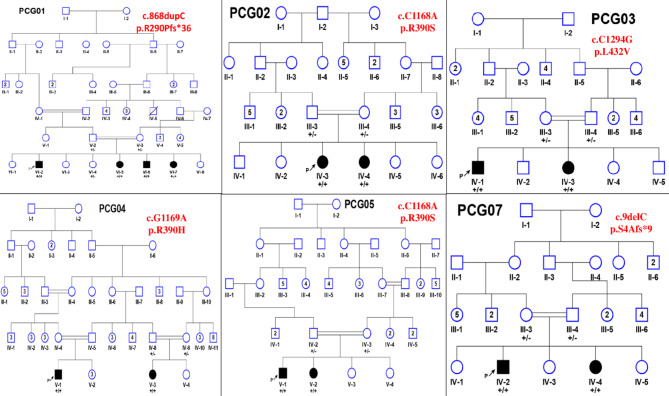
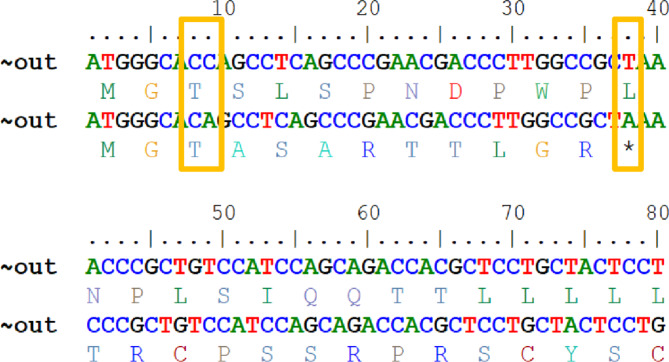
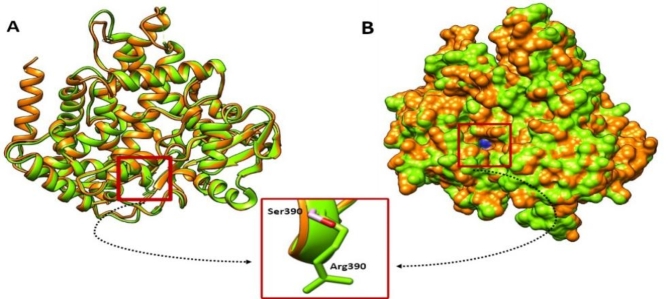
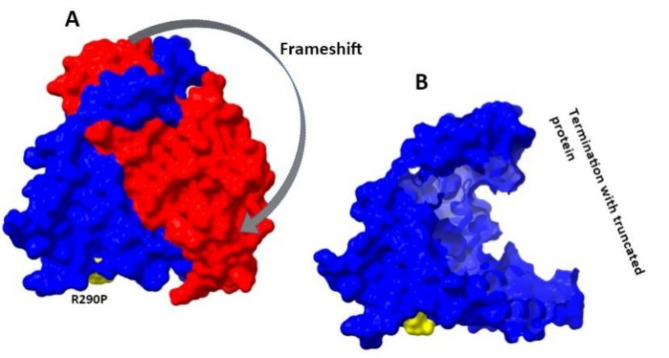
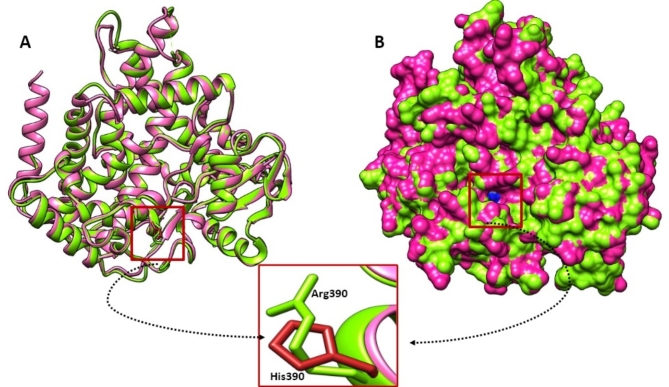
Primary Congenital Glaucoma (PCG) is a severe form of glaucoma that affects infants and young children that damage and causes vision impairment. Despite being a well-known condition, the genetic basis of PCG, particularly in highly consanguineous populations like the Pashtun community, still needs to be explored. Six consanguineous Pashtun families (PCG-01, PCG-02, PCG-03, PCG-04, PCG-05, & PCG-07) suffering from PCG were recruited for whole exome sequencing. A prioritization strategy was employed to identify variants in known PCG-related genes, primarily focusing on CYP1B1. Sanger sequencing was carried out to validate candidate variants and perform segregation studies in affected individuals, siblings, parents, and controls. Whole exome sequencing revealed four pathogenic homozygous variants in six PCG families. Notably, a novel homozygous mutation, c.9delC (S4Afs9), was identified in the CYP1B1 gene in one family (PCG-07). Additionally, the previously unreported variant c.1168 C > A (p.R390S) was found in two families (PCG-2 and PCG-5). Known mutations, including c.868dupC (p. R290Pfs36) and c.1169G > A (p.R390H), were also detected in PCG-01 and PCG-04 families, respectively. Furthermore, a polymorphism, c.1294 C > G (p.L432V), was observed in family PCG-03. This study identifies novel pathogenic variants associated with PCG in consanguineous Pashtun families, highlighting the role of CYP1B1 mutations in PCG development. The findings contribute to a deeper understanding of the genetic basis of PCG and may aid in genetic counselling and early intervention strategies in affected populations.
Keywords: Consanguineous; Exome sequencing; Pathogenic; Primary congenital Glaucoma; Variants.
© 2025. The Author(s).
Conflict of interest statement
Declarations. Competing interests: The authors declare no competing interests. Ethics statement: Written informed consent was obtained from all study participants and/or their legal guardians for publication of identifying information/images in an online open-access publication.
Figures

References
-
- Glaucoma, H. A. Q. Lancet ;377(9774):1367–1377. (2011). - PubMed
-
- Reddy, A. B. M. et al. Mutation spectrum of the CYP1B1 gene in Indian primary congenital glaucoma patients. Mol. Vis.10, 696–702 (2004). - PubMed
-
- Weinreb, R. N., Grajewski, A. L., Papadopoulos, M., Grigg, J. & Freedman, S. Childhood glaucoma: Kugler; (2013).
MeSH terms
Substances
LinkOut - more resources
Full Text Sources
Medical
