


FOSB is a key factor in the genetic link between inflammatory bowel disease and acute myocardial infarction: multiple bioinformatics analyses and validation
- PMID: 40181401
- PMCID: PMC11969767
- DOI: 10.1186/s12920-025-02129-0
FOSB is a key factor in the genetic link between inflammatory bowel disease and acute myocardial infarction: multiple bioinformatics analyses and validation
Abstract
Background: Inflammatory Bowel Disease (IBD), which includes Crohn's disease and ulcerative colitis, is associated with an increased risk of Acute Myocardial Infarction (AMI). The genetic mechanisms underlying this link are not well understood.
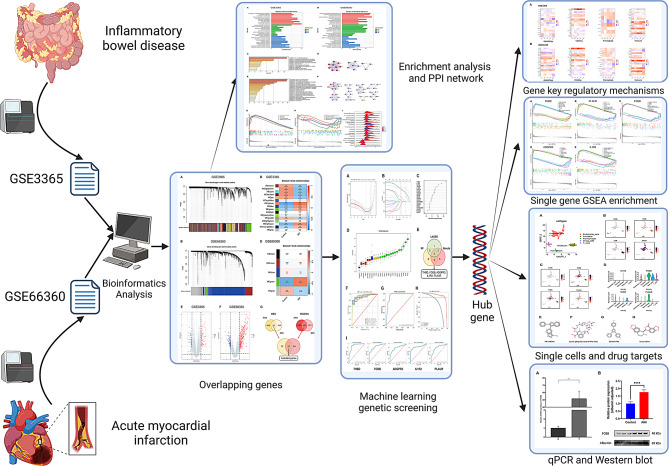
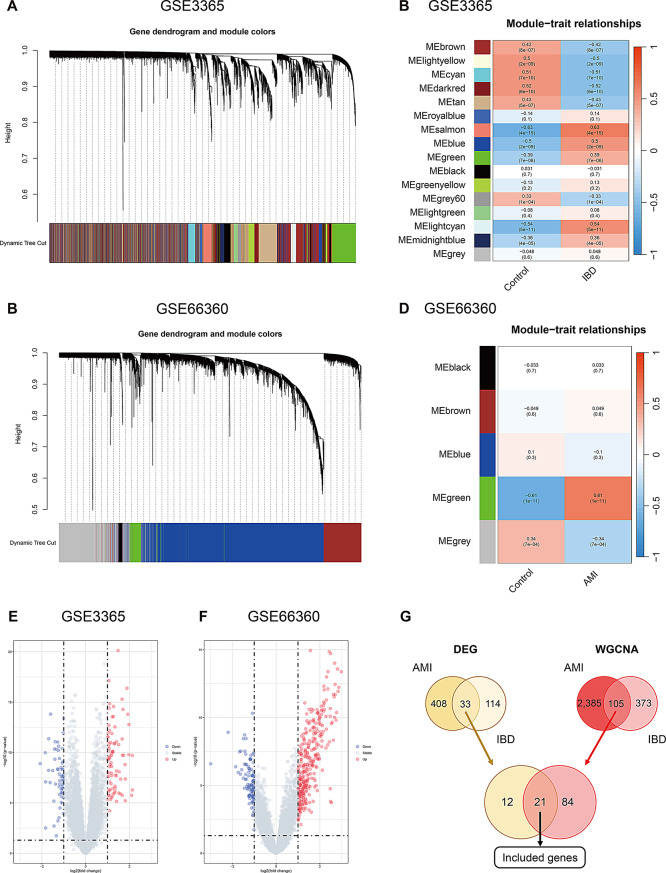
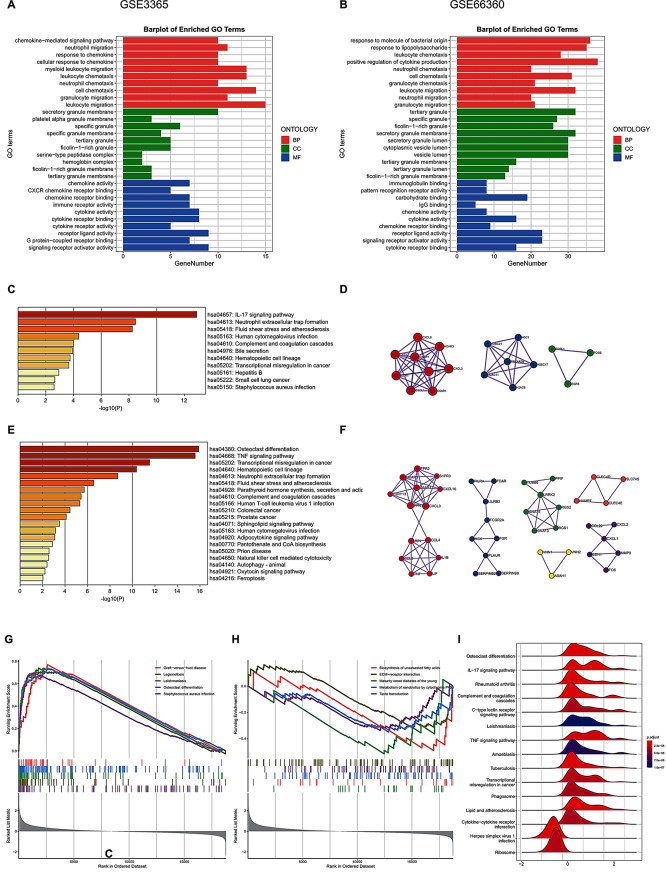
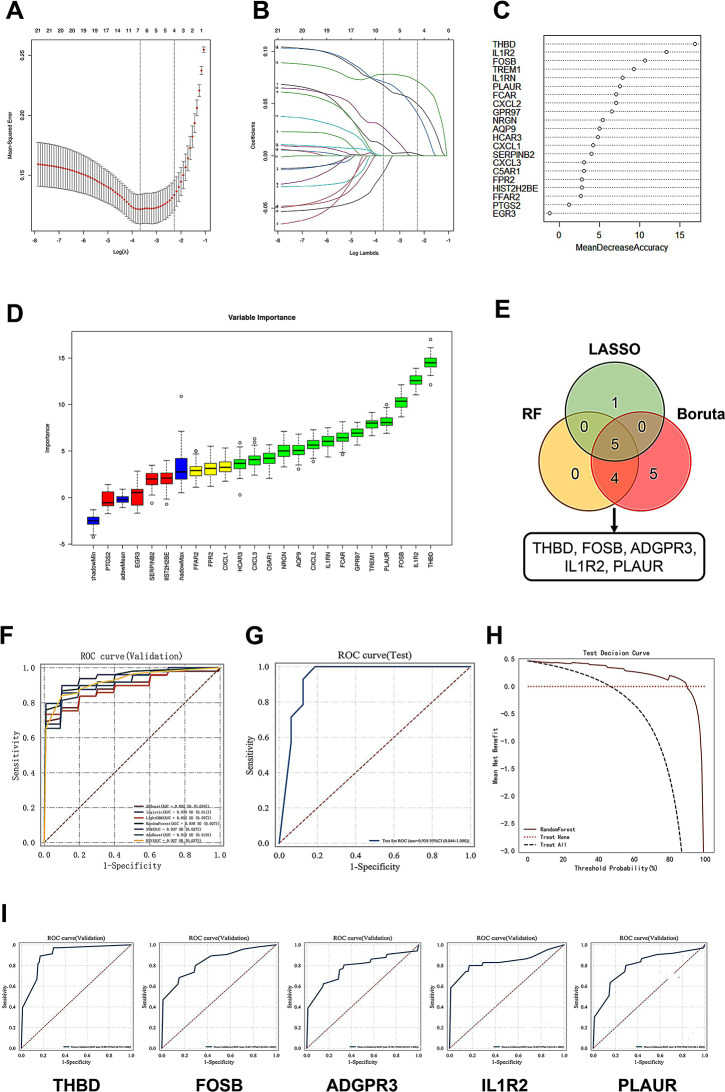
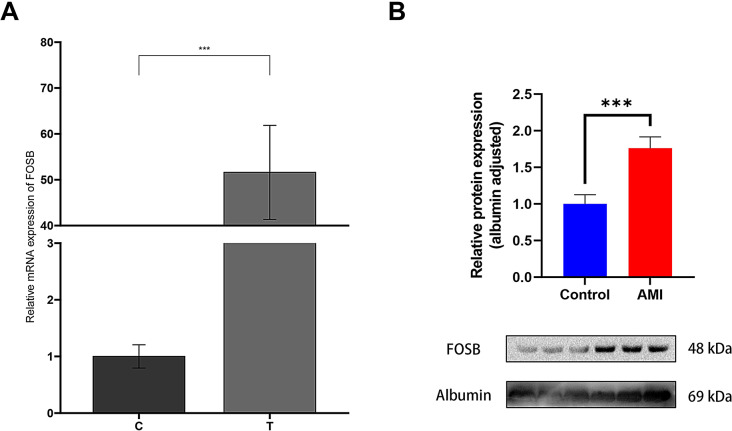
Methods: We downloaded IBD and AMI-related microarray datasets from the NCBI Gene Expression Omnibus (GEO) database. Differentially expressed genes (DEGs) were identified and analyzed using enrichment analysis and Weighted Gene Co-expression Network Analysis (WGCNA). Machine learning techniques, including LASSO, random forest, and Boruta, were employed to screen for hub genes. These genes were validated through qRT-PCR and Western blotting. Single-cell sequencing was used to confirm findings. Additionally, potential therapeutic targets were identified using the Connectivity Map (CMap) database.
Results: Five key hub genes-THBD, FOSB, ADGPR3, IL1R2, and PLAUR-were identified as significantly involved in both IBD and AMI pathogenesis. A diagnostic model for AMI constructed using these hub genes demonstrated high predictive accuracy. Single-cell sequencing analysis and several potential drugs targeting these hub genes were identified, offering new therapeutic avenues.
Conclusion: This study highlights the crucial role of FOSB and other hub genes in the comorbidity of IBD and AMI. The findings provide novel insights for early diagnosis and potential therapeutic strategies, emphasizing the importance of further investigation into these genetic links.
Keywords: Acute myocardial infarction; Bioinformatics; Experimental validation; FOSB; Inflammatory bowel disease; Machine learning.
© 2025. The Author(s).
Conflict of interest statement
Declarations. Ethics approval and consent to participate: All GEO data are public, the original research has been reviewed by the ethics committee, and all participants have signed informed consent. The patients from whom the blood sample data came have signed informed consent, and this study was conducted in accordance with the principles of the Declaration of Helsinki ( https://www.wma.net/policies-post/wma-declaration-of-helsinki/ ) and was approved by the Institutional Review Board Ethics Committee of the Second Affiliated Hospital of Nanchang University, Ethical Review No. IIT-O-2024-040. More information about the data can be obtained by contacting the corresponding author. Consent for publication: Not applicable. Competing interests: The authors declare no competing interests.
Figures


References
-
- Ananthakrishnan AN. Epidemiology and risk factors for IBD. Nat Rev Gastroenterol Hepatol. 2015;12(4):205–17. - PubMed
-
- Ng SC, Shi HY, Hamidi N, Underwood FE, Tang W, Benchimol EI, Panaccione R, Ghosh S, Wu JCY, Chan FKL, et al. Worldwide incidence and prevalence of inflammatory bowel disease in the 21st century: a systematic review of population-based studies. Lancet. 2017;390(10114):2769–78. - PubMed
-
- Olén O, Askling J, Sachs MC, Neovius M, Smedby KE, Ekbom A, Ludvigsson JF. Mortality in adult-onset and elderly-onset IBD: a nationwide register-based cohort study 1964–2014. Gut. 2020;69(3):453–61. - PubMed
-
- Singh A, Museedi AS, Grossman SA. Acute Coronary Syndrome. In: StatPearls. Treasure Island (FL): StatPearls Publishing. Copyright. © 2023, StatPearls Publishing LLC.; 2023
MeSH terms
Substances
Grants and funding
LinkOut - more resources
Full Text Sources
Medical
Miscellaneous
