An official website of the United States government
The .gov means it’s official.
Federal government websites often end in .gov or .mil. Before
sharing sensitive information, make sure you’re on a federal
government site.
The site is secure.
The https:// ensures that you are connecting to the
official website and that any information you provide is encrypted
and transmitted securely.
This quality improvement study examines the association of changing the default supply for statin prescriptions to 90 days with clinician prescribing behavior.
Conflict of Interest Disclosures: Dr Fanaroff reported personal fees from Novartis and unpaid consulting for the Centers for Medicare & Medicaid Services outside the submitted work. Dr Volpp reported grants from the National Institutes of Health during the conduct of the study, as well as grants from Independence Blue Cross, serving as co-owner of VAL Health consulting firm, holding equity options in Thrive Global, and serving as advisor and funded researcher for the American Heart Association outside the submitted work. No other disclosures were reported.
Figures
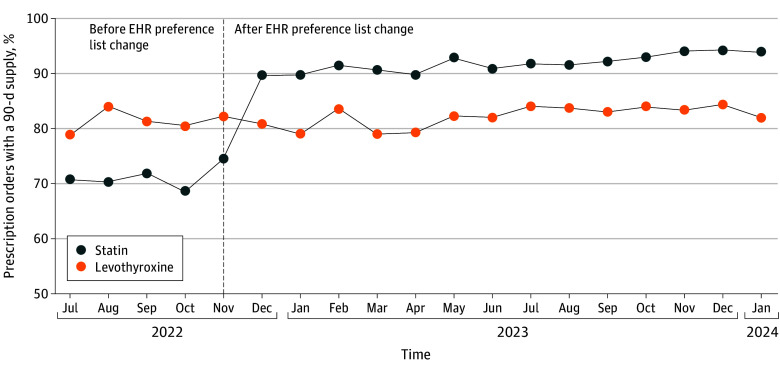
Figure 1.. Proportion of Prescription Orders With…
Figure 1.. Proportion of Prescription Orders With a 90-Day Supply Before and After Electronic Health…
Figure 1.. Proportion of Prescription Orders With a 90-Day Supply Before and After Electronic Health Record (EHR) Preference List Default Change
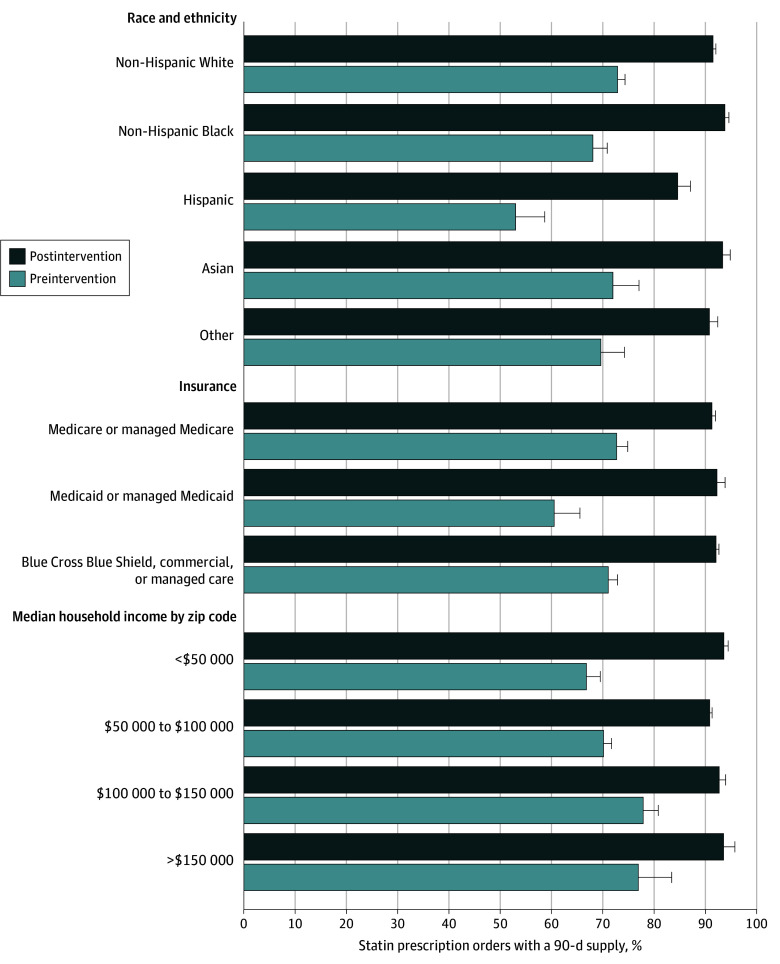
Figure 2.. Proportion of Statin Prescription Orders…
Figure 2.. Proportion of Statin Prescription Orders With a 90-Day Supply Before and After Electronic…
Figure 2.. Proportion of Statin Prescription Orders With a 90-Day Supply Before and After Electronic Health Record Preference List Default Change by Patient Race and Ethnicity, Insurance, and Income
The other race category includes American Indian or Alaska Native, East Indian, Native Hawaiian or Other Pacific Islander, and unknown, other race, or patient declined to answer; these categories were grouped together owing to small sample sizes. Error bars indicate 95% CIs.
Richman IB, Gross CP, Durant RW.Richman IB, et al.JAMA Intern Med. 2025 Jun 1;185(6):742. doi: 10.1001/jamainternmed.2025.0190.JAMA Intern Med. 2025.PMID: 40193071No abstract available.
References
Thavendiranathan P, Bagai A, Brookhart MA, Choudhry NK. Primary prevention of cardiovascular diseases with statin therapy: a meta-analysis of randomized controlled trials. Arch Intern Med. 2006;166(21):2307-2313. doi:10.1001/archinte.166.21.2307
-
DOI
-
PubMed
Neiman AB, Ruppar T, Ho M, et al. . CDC grand rounds: improving medication adherence for chronic disease management—innovations and opportunities. MMWR Morb Mortal Wkly Rep. 2017;66(45):1248-1251. doi:10.15585/mmwr.mm6645a2
-
DOI
-
PMC
-
PubMed
Chan AHY, Cooper V, Lycett H, Horne R. Practical barriers to medication adherence: what do current self- or observer-reported instruments assess? Front Pharmacol. 2020;11:572. doi:10.3389/fphar.2020.00572
-
DOI
-
PMC
-
PubMed
Taitel M, Fensterheim L, Kirkham H, Sekula R, Duncan I. Medication days’ supply, adherence, wastage, and cost among chronic patients in Medicaid. Medicare Medicaid Res Rev. 2012;2(3):E1-E13. doi:10.5600/mmrr.002.03.A04
-
DOI
-
PMC
-
PubMed
Rymer JA, Fonseca E, Bhandary DD, Kumar D, Khan ND, Wang TY. Difference in medication adherence between patients prescribed a 30-day versus 90-day supply after acute myocardial infarction. J Am Heart Assoc. 2021;10(1):e016215. doi:10.1161/JAHA.119.016215
-
DOI
-
PMC
-
PubMed