


Assessment of drug utilization evaluation and post-dispensing knowledge of ophthalmic medications: an explanatory sequential mixed-methods study at the University of Gondar Comprehensive Specialized Hospital, Northwest Ethiopia
- PMID: 40197326
- PMCID: PMC11974071
- DOI: 10.1186/s12913-025-12687-9
Assessment of drug utilization evaluation and post-dispensing knowledge of ophthalmic medications: an explanatory sequential mixed-methods study at the University of Gondar Comprehensive Specialized Hospital, Northwest Ethiopia
Abstract
Background: Irrational prescription of medication is a common issue in clinical practice, particularly for eye disorders that can affect vision. This study aimed to assess the prescribing practices, drug utilization, and post-dispensing knowledge of ophthalmic medications at the University of Gondar Comprehensive and Specialized Hospital in Northwest Ethiopia.
Methods: An explanatory sequential mixed-methods study was conducted at the ophthalmology department of the University of Gondar Comprehensive Specialized Hospital from March 2024 to June 2024. Quantitative data were collected using an interviewer-administered structured questionnaire, and chart review was then entered into EpiData version 4.6 and analyzed using SPSS version 25. Descriptive statistics were computed and Binary logistic regression analyses identified factors influencing post-dispensing knowledge, with a significance level of p < 0.05 and results presented with 95% confidence intervals. Qualitative data were collected through in-depth interviews and analyzed thematically using OpenCode software version 4.2.
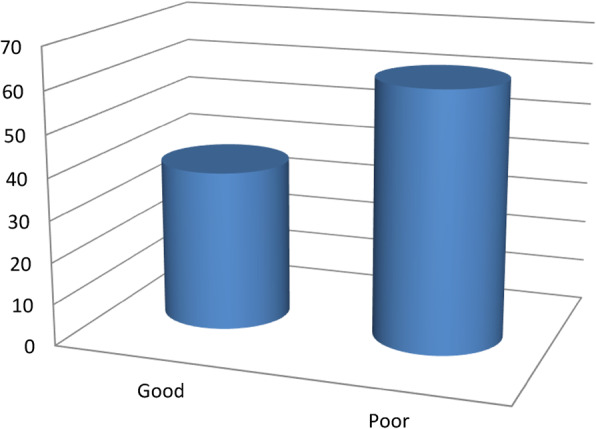
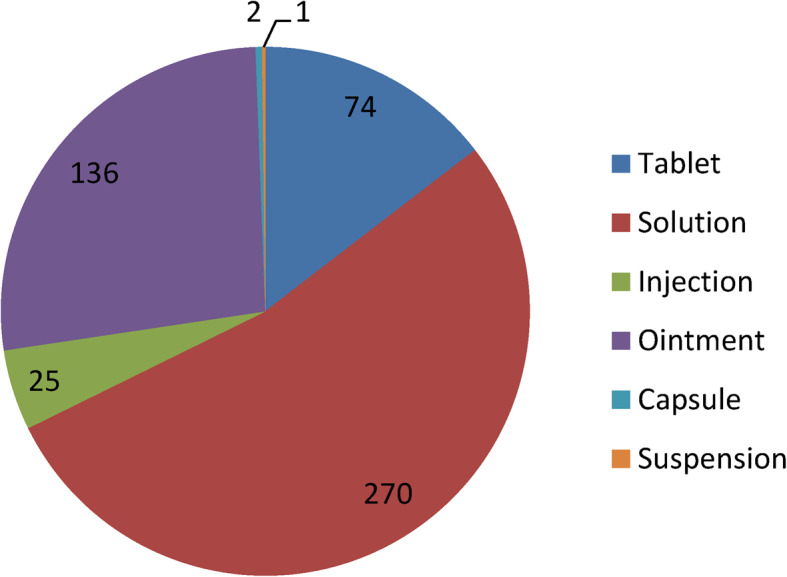
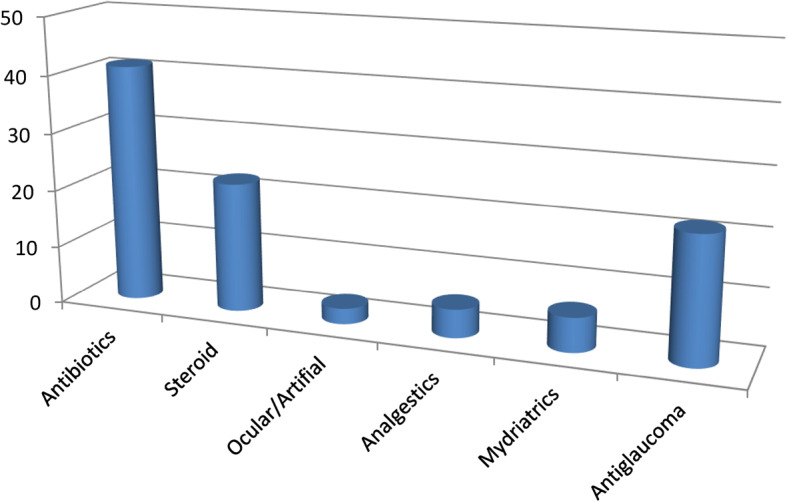
Results: Most respondents were elderly and male, with a higher prevalence of ocular diseases. Ophthalmic medications were predominantly solutions (53.2%), with antibacterial drugs (41.2%), especially Tetracycline, being the most common. Fixed-dose combination drugs were primarily steroid-antibiotic combinations. The average number of drugs per prescription was 1.43, with 90.37% of prescriptions being generic and 66.8% from the National Essential Drug List. Strength, dose, frequency, and duration were recorded in 68.3%, 31.5%, 92.4%, and 31.5% of the prescriptions, respectively. Post-dispensing knowledge was good in 38% of the patients, and 11.5% used medication in both eyes despite infection in only one. Patients with a diploma or higher education (AOR = 2.46, 95% CI 1.35, 4.46) were more likely to have better medication knowledge than those unable to read or write.
Conclusion: Most prescribing indicators were below the e World Health Organization's recommended standards, except for the number of drugs per prescription and the dispensing time. In addition, most ophthalmic prescriptions lacked adequate and complete prescribing information, and most patients had insufficient post-dispensing knowledge. These findings highlight the urgent need to improve prescribing practices, enhance counseling, and implement targeted educational programs to ensure safer and more effective ophthalmic care.
Keywords: Drug use evaluation; Ophthalmic patient; Post dispensing knowledge; Prescribing pattern; Prescription evaluation; WHO indicators.
© 2025. The Author(s).
Conflict of interest statement
Declarations. Ethics approval and consent to participate: All methods were conducted in accordance with the regulations and principles of the Helsinki Declaration [47]. Ethical approval was obtained from the School of Pharmacy Ethics Clearance Committee, College of Medicine and Health Sciences, Gondar, Ethiopia. Written informed consent was obtained from each participant before inclusion. To ensure data confidentiality, participants were assigned unique codes, and access to the data was limited to authorized personnel. Additionally, patient information confidentiality was maintained by restricting data use to research purposes only. Consent for publication: Not applicable. Competing interests: The authors declare no competing interests.
Figures
References
-
- Dinsa O, Daba FB, editors. Assessment of ophthalmic drug prescribing pattern at Jimma University specialized hospital. 2017.
-
- Rational use of medicines. Lancet. 2010;375(9731):2052. - PubMed
MeSH terms
Substances
LinkOut - more resources
Full Text Sources
Medical
