


Survivorship in robotic total knee arthroplasty compared with conventional total knee arthroplasty: A systematic review and meta-analysis
- PMID: 40197345
- PMCID: PMC11978122
- DOI: 10.1186/s42836-025-00304-3
Survivorship in robotic total knee arthroplasty compared with conventional total knee arthroplasty: A systematic review and meta-analysis
Abstract
Background: Total knee arthroplasty (TKA) is the gold standard surgical management for end-stage knee osteoarthritis (OA). Robotic TKA (rTKA) was developed to improve bone preparation accuracy and increase reproducibility. In many settings internationally, rTKA systems have significantly higher costs for patients, and survivorship outcomes are unclear. There are several prior meta-analyses, but these focused on clinical and radiologic outcomes, and to our knowledge, none have evaluated survival. Differences in survival between semi-active or active robotic systems are also not well investigated.
Study design: Meta-analysis.
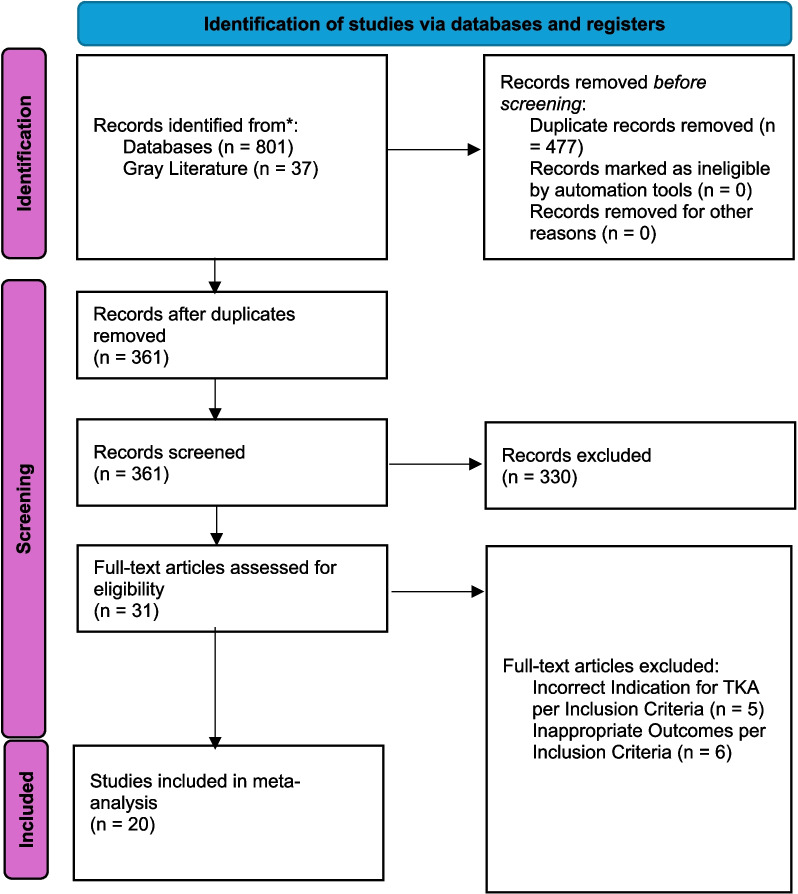
Methods: A random-effects meta-analysis was conducted on comparative studies between robotic-assisted TKAs and conventional TKAs (cTKAs) in patients undergoing TKA for primary knee OA. We searched MEDLINE, Embase, Cochrane Library, and SCOPUS from inception to 19 December 2024. Outcomes assessed were the implant survival in robotic-assisted TKA compared to conventional methods in standard primary knee OA cases, with subgrouping between active and semi-active systems performed. Secondary outcomes included associated complications, post-operative pain scores, and functional outcomes.
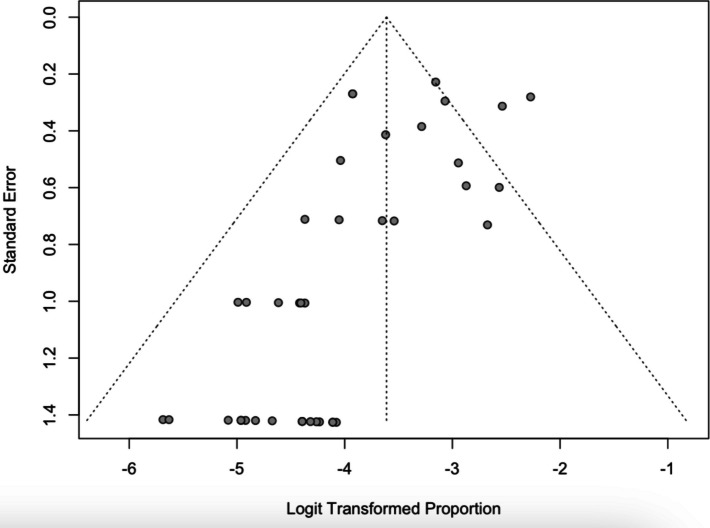
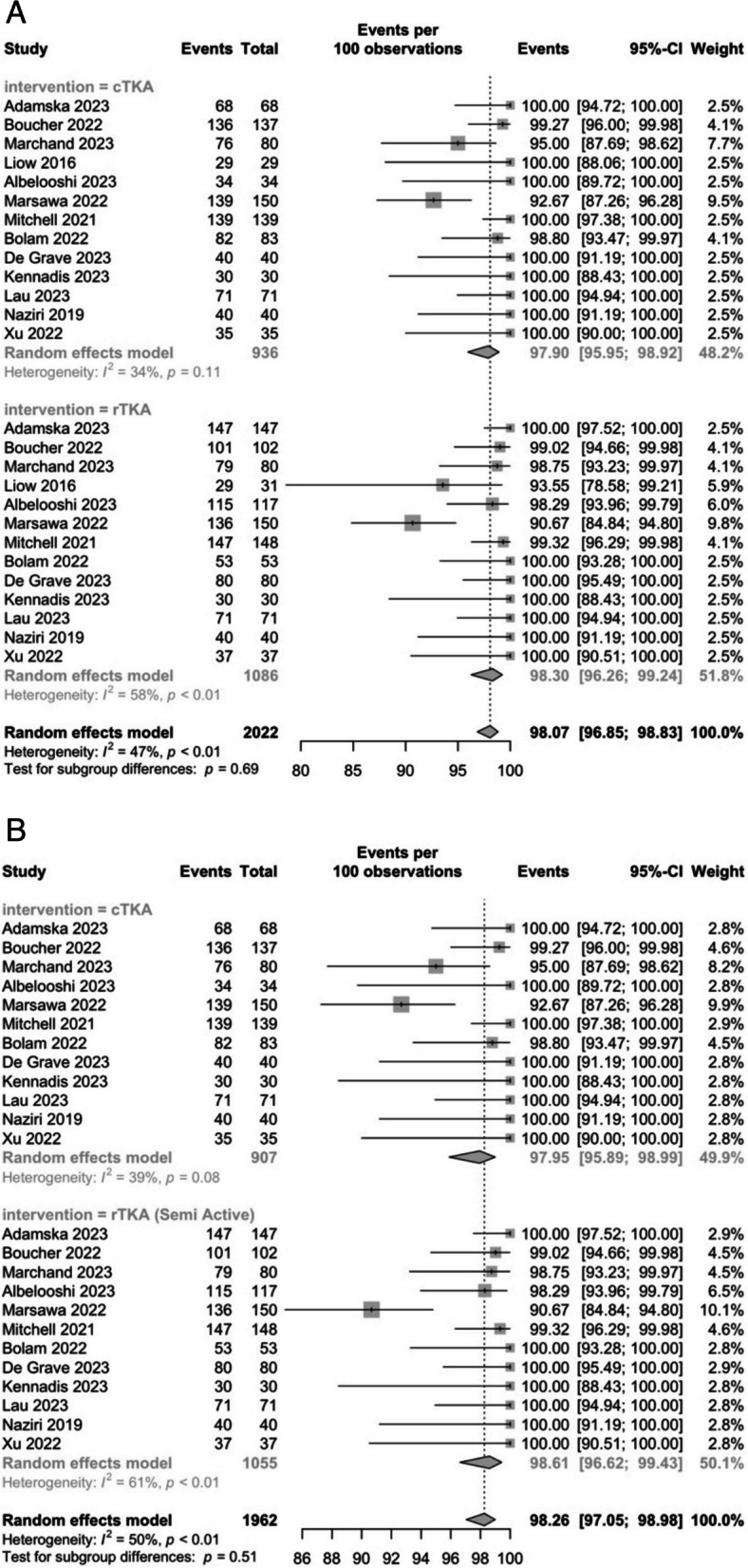
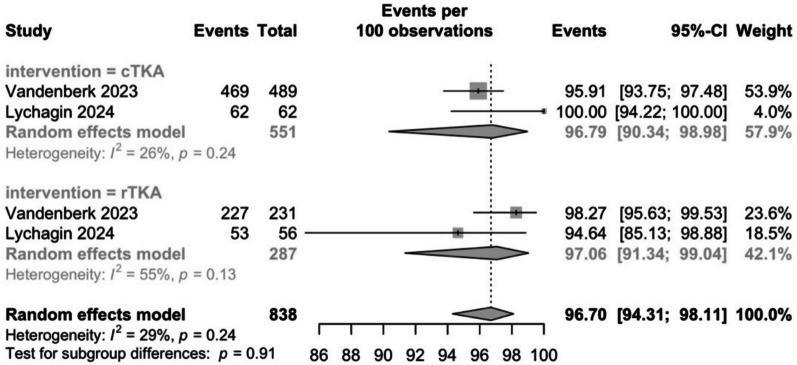
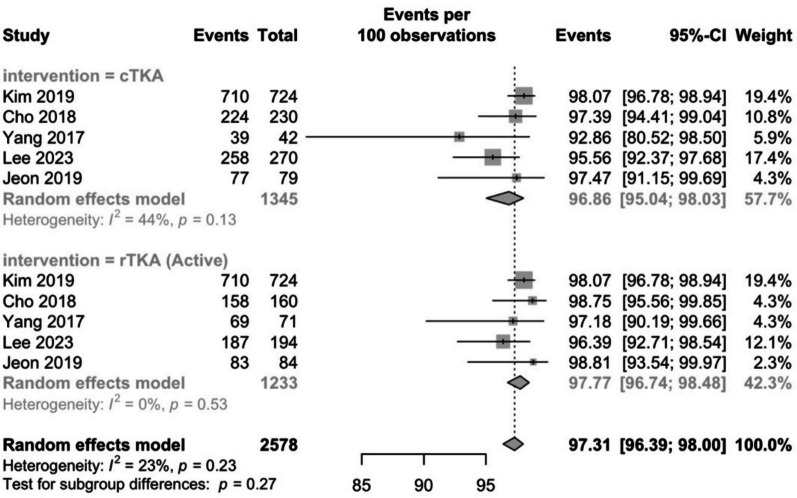
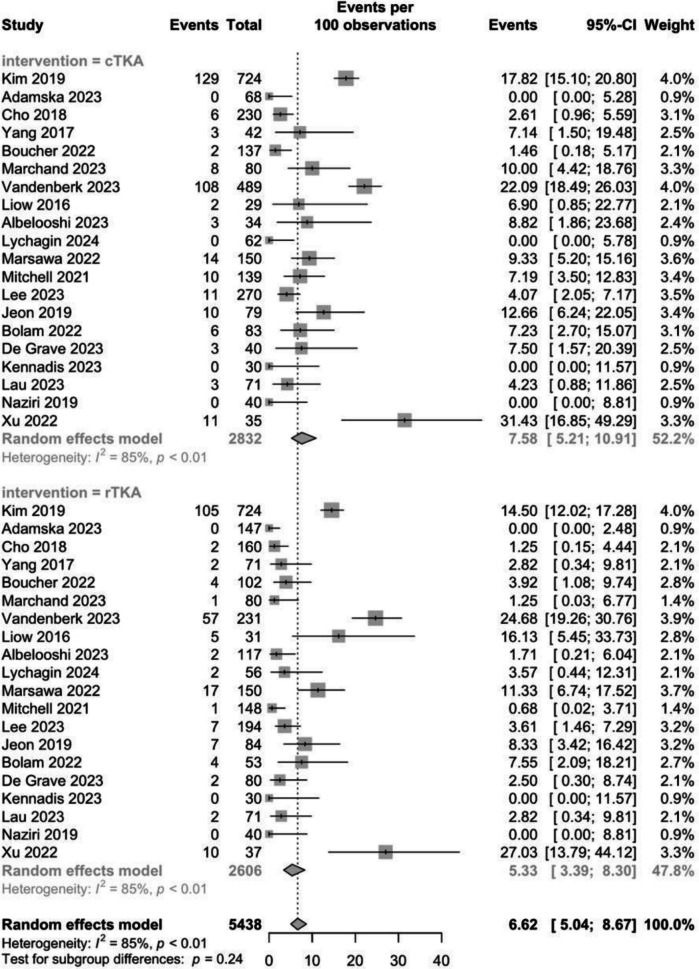
Results: A total of 20 comparative studies were included in the meta-analysis. Among them, 2,804 patients underwent cTKA, while 2,599 underwent rTKA. At two years, the pooled survivorship rate was 97.9% (95% CI: 96-99) in the conventional group and 98.3% (95% CI: 96.2-99.2) in the robotic group. There were no significant differences between the groups (P = 0.7). There were no significant differences between the robotic (semi-active) group and the conventional group (P = 0.5) on further unpaired T-Testing. Between 2 and 5 years, pooled survivorship rates in the conventional group were 96.8% (95% CI: 90.3-99) and 97.1% (95% CI: 91.3-99) in the robotic group. There were no significant differences between groups (P = 0.9). At ten years postoperatively, pooled survivorship rates in the conventional group were 96.9% (95% CI: 95-98) and 97.8% (95% CI: 96.7-98.5) in the robotic group. There were no significant differences between the groups (P = 0.3).
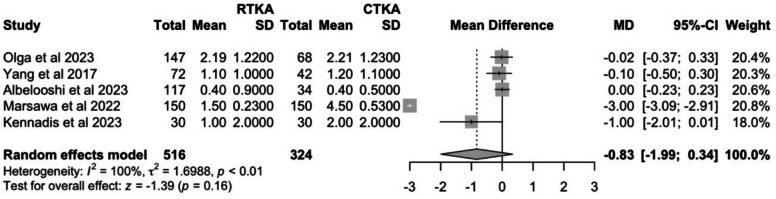
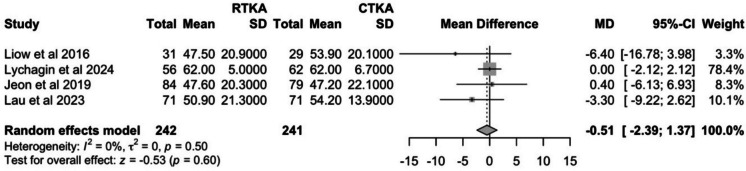
Conclusion: Conventional TKA is non-inferior to rTKA at short and long-term follow-up with regard to implant survival, complications, and postoperative pain scores, while rTKA shows subtle improvements in functional outcome measures.
Trial registration: CRD42024540997.
Keywords: Arthroplasty; Meta-analysis; Robotic; Conventional; Total knee replacement.
© 2025. The Author(s).
Conflict of interest statement
Declarations. Ethics approval and consent to participate: Not applicable. Consent for publication: All authors provided critical conceptual input, interpreted the data analysis, read and approved the final draft of the manuscript, and have accessed and verified the data. were responsible for the decision to submit the manuscript. Competing interests: None.
Figures
References
-
- Hsu H, Siwiec RM. Knee Osteoarthritis. 2023 Jun 26. In: StatPearls. Treasure Island (FL): StatPearls Publishing; 2024 Jan–. PMID: 29939661. n.d.
-
- Birdsall, P. D., Hayes, J. H., Cleary, R., Pinder, I. M., Moran, C. G., & Sher, J. L. (1999). Health outcome after total knee replacement in the very elderly. The Journal of bone and joint surgery. British volume, 81(4), 660–662. 10.1302/0301-620x.81b4.9380 n.d. - PubMed
LinkOut - more resources
Full Text Sources