


Effectiveness of Group and Individual Counselling Interventions on COVID-19 Vaccination Intention Among Industrial Employees in Romania
- PMID: 40201013
- PMCID: PMC11977631
- DOI: 10.2147/PPA.S500640
Effectiveness of Group and Individual Counselling Interventions on COVID-19 Vaccination Intention Among Industrial Employees in Romania
Abstract
Introduction: Vaccine hesitancy remains a critical barrier to achieving widespread vaccination, particularly in settings with limited public trust and high exposure to misinformation. This study aims to measure the level of vaccine hesitancy, identifying the factors contributing to it, and to evaluate the effectiveness of two targeted interventions-group and individual counseling-designed to address vaccine hesitancy among employees in seven industrial companies in Romania during the Coronavirus disease 2019 (COVID-19) pandemics.
Methods: A total of 256 participants were included in the study, and interventions were delivered by family physicians and occupational medicine specialists trained in motivational interviewing (MI) techniques. Data on sociodemographic factors, vaccine hesitancy, and willingness to vaccinate were collected using a questionnaire and a Visual Analogue Scale (VAS) for vaccine willingness.
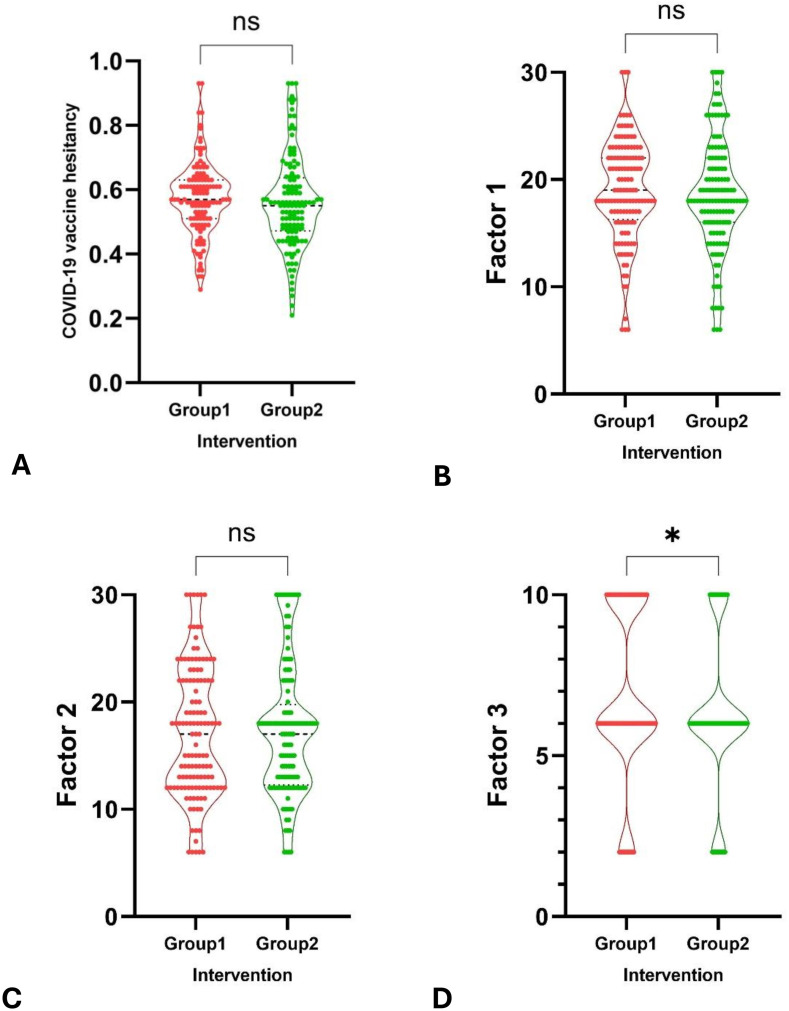
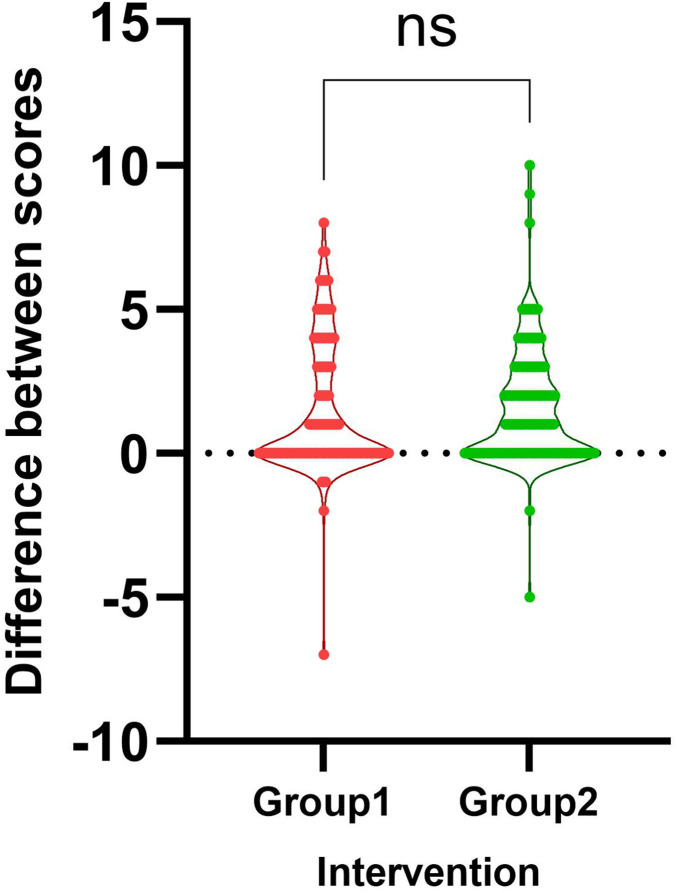
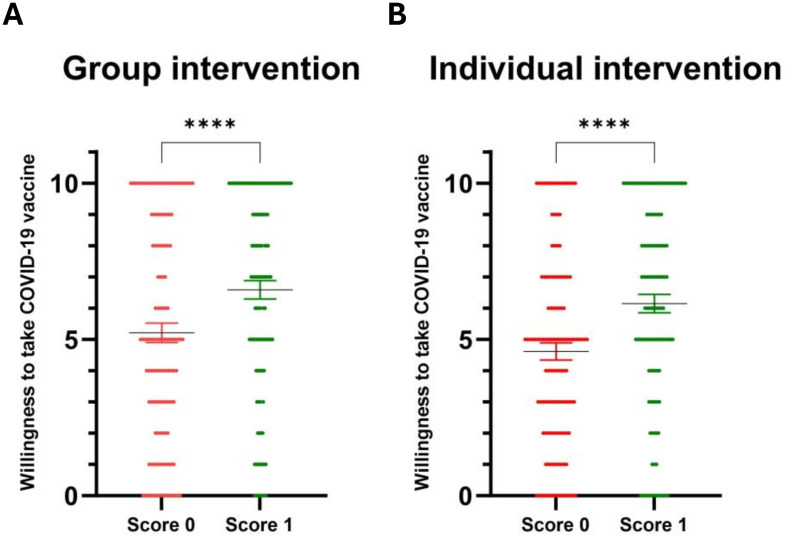
Results: Both interventions led to significant increases in willingness to vaccinate, with group counseling showing a 1.4-point increase on the VAS (p-value < 0.0001) and individual counseling showing a 1.5-point increase (p-value < 0.0001), though the differences between the two approaches were not statistically significant (p-value = 0.209). Key factors correlated with higher levels of vaccine hesitancy included younger age, lower education levels, marital status (single or divorced), having children, the presence of chronic diseases, a lack of general antivaccine beliefs, and a lack of trust in the natural origin of the novel coronavirus (SARS-CoV-2).
Conclusion: This study highlights the effectiveness of dual interventions involving family doctors and occupational medicine specialists in reducing COVID-19 vaccine hesitancy among industrial workers in Romania. Key factors influencing hesitancy included demographic characteristics (age, marital status) and social determinants (education level, anti-vaccine beliefs, parenthood, and chronic illness). The findings emphasize the role of trusted healthcare professionals in addressing these concerns through targeted communication strategies, such as motivational interviewing.
Keywords: COVID-19 vaccine; Romania; motivational interview; questionnaire; vaccine hesitancy; workers.
© 2025 Dumitra et al.
Conflict of interest statement
The authors declare no conflicts of interest in this work.
Figures
References
-
- Duta TF, Rizki DR, Purnama A, et al. Essential oil for COVID-19 management: a systematic review of randomized controlled trials. Narra X. 2023;1(2):e93. doi:10.52225/narrax.v1i2.84 - DOI
-
- COVID-19 vaccines | WHO COVID-19 dashboard. Datadot. Available from: https://data.who.int/dashboards/covid19/vaccines?m49=642&n=o. Accessed July 27, 2024).
-
- COVID-19 Vaccine Tracker | European Centre for Disease Prevention and Control. Available from: https://vaccinetracker.ecdc.europa.eu/public/extensions/COVID-19/vaccine.... Accessed July 27, 2024).
LinkOut - more resources
Full Text Sources
Miscellaneous
