


Increased neprilysin expression is linked to atrial fibrotic remodeling in cardiovascular surgery patients
- PMID: 40201407
- PMCID: PMC11976568
- DOI: 10.1016/j.ijcha.2025.101647
Increased neprilysin expression is linked to atrial fibrotic remodeling in cardiovascular surgery patients
Abstract
Background: Neprilysin (NEP) is a membrane-bound neutral endopeptidase with various physiological functions. We investigated the roles of NEP in atrial fibrotic remodeling and atrial fibrillation (AF) in patients undergoing cardiovascular surgery.
Methods: Atrial tissue samples were obtained from left atrium (LA) appendages, and mRNA expression level was analyzed by real-time reverse transcription polymerase chain reaction in 61 cases (25 paroxysmal fibrillation (PAF), 36 AF). Adipose tissue (AT) mRNA expression levels were also analyzed. Western blotting and immunohistochemical staining were used for determining tissue protein expression. Serum NEP levels were measured by enzyme-linked immunosorbent assay (ELISA). Two-dimensional speckle tracking echocardiography was performed to measure mean left atrial reservoir strain (mLASr) to evaluate atrial remodeling in pre-operative patients and control participants.
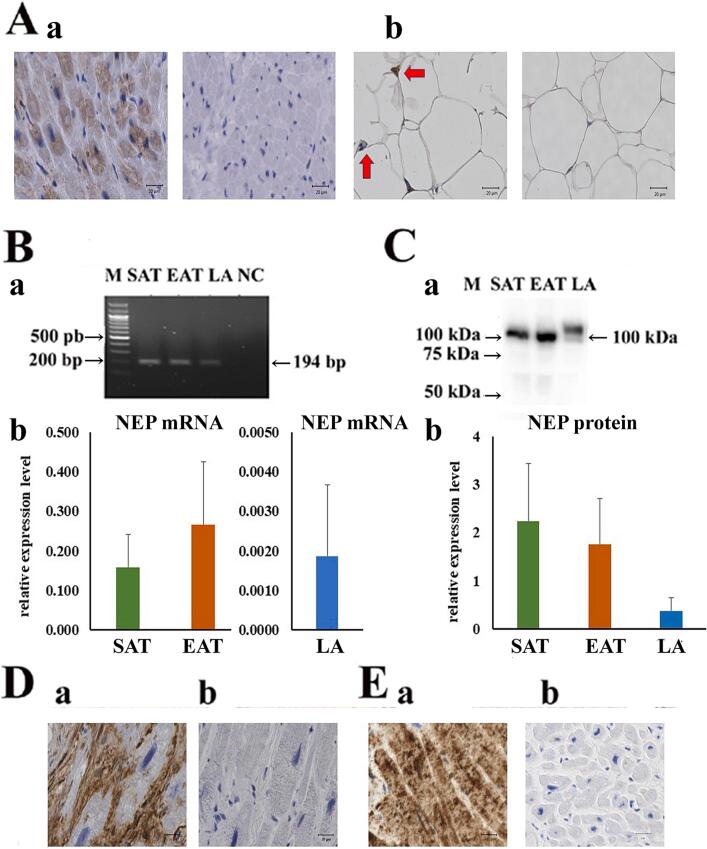
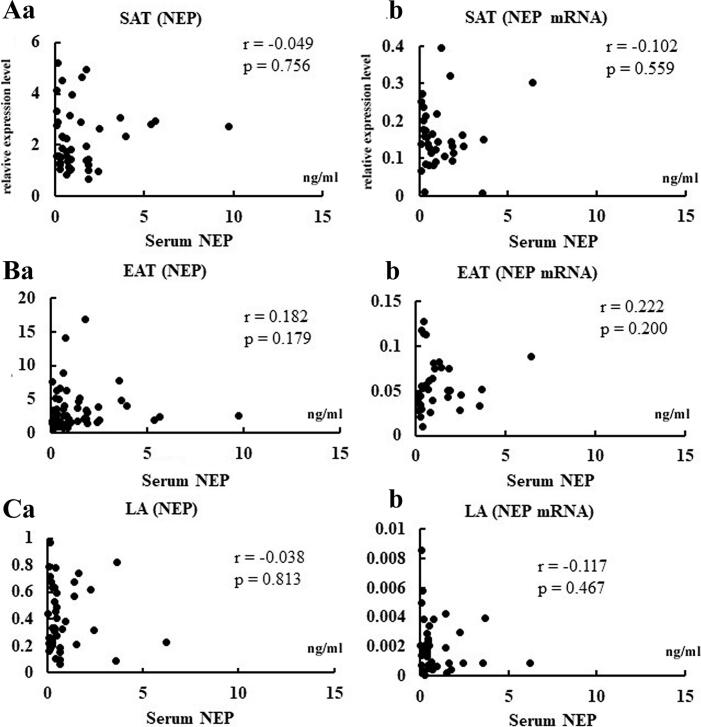
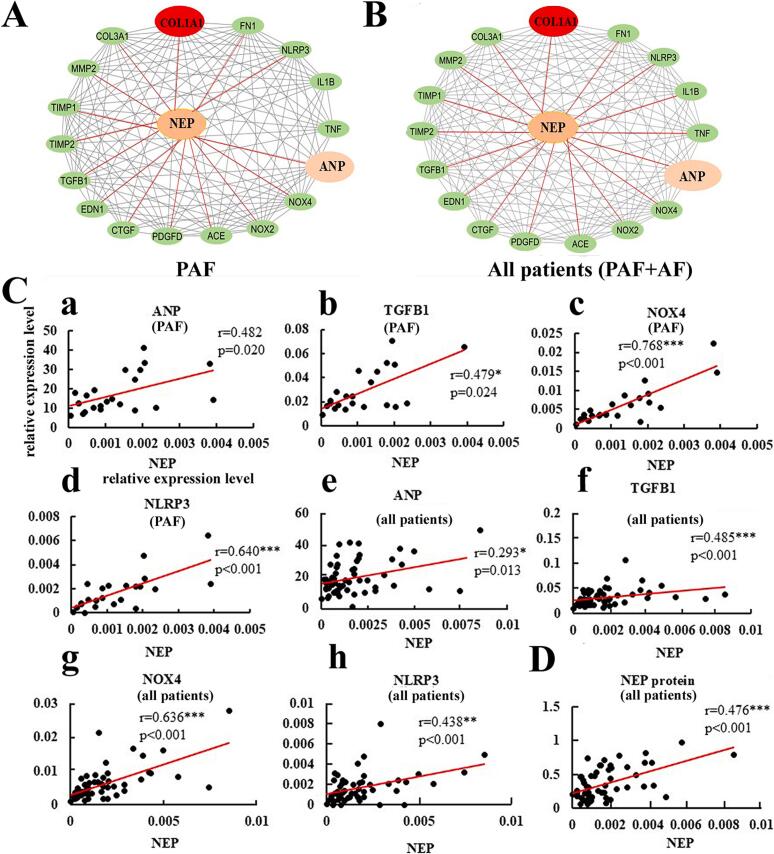
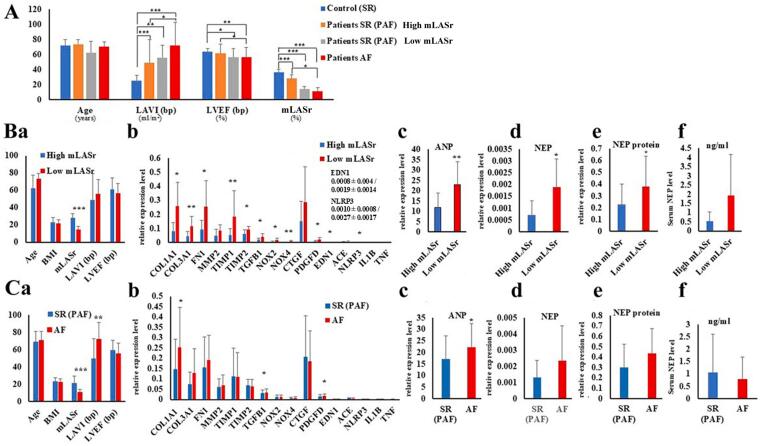
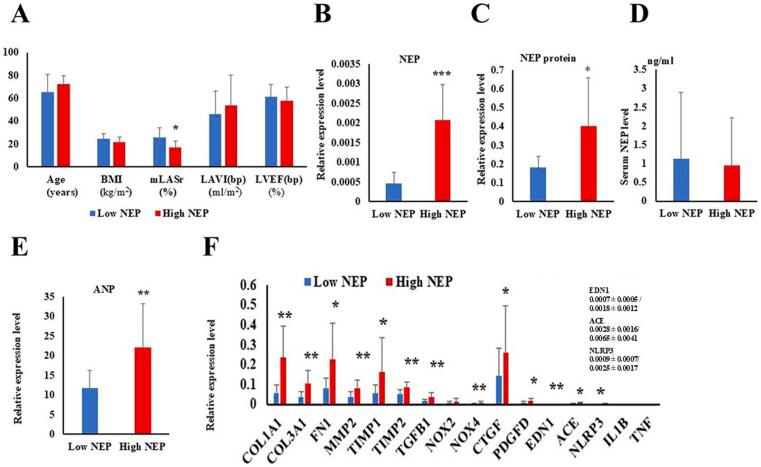
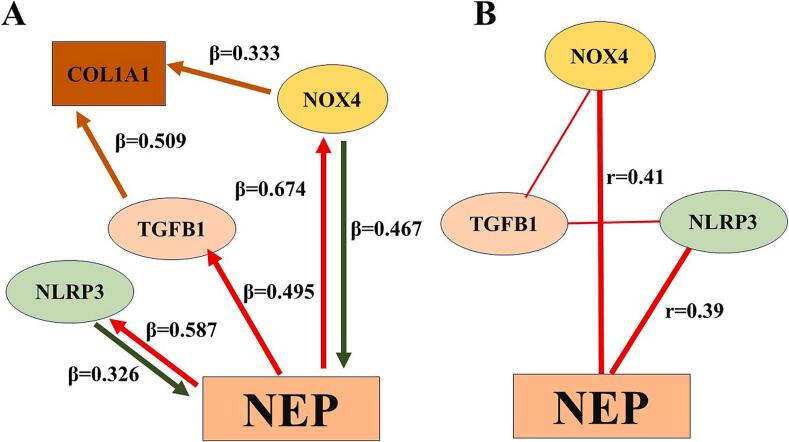
Results: Immunohistochemical staining and western blotting revealed NEP expression in both AT and LA. Serum NEP levels did not correlate with NEP mRNA or protein expression in AT and LA. NEP mRNA expression levels correlated with fibrosis-related gene expression. NEP mRNA, protein, and fibrosis-related gene expression levels increased in PAF patients with low mLASr compared with high mLASr. PAF patients with high NEP mRNA expression showed increased fibrosis-related gene expression compared with those with low NEP expression. Multiple regression analysis revealed that NEP mRNA expression level was an independent variable for predicting fibrosis-related gene expression, whereas NOX4 and NLRP3 were independent variables for predicting NEP expression levels.
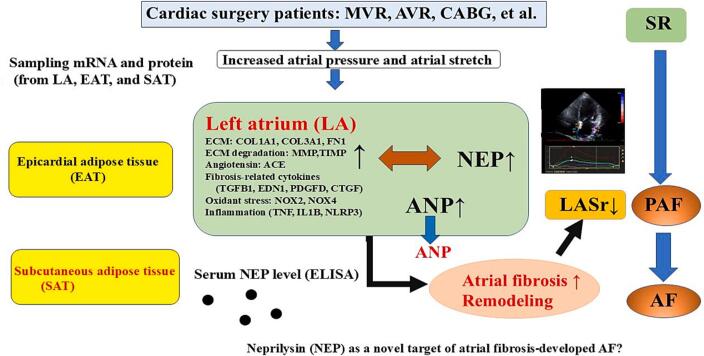
Conclusions: Increased atrial expression of NEP is linked to atrial fibrotic remodeling, and the development of AF in patients undergoing cardiovascular surgery.
Keywords: Atrial fibrillation; Atrial fibrosis; COL1A1; Cardiovascular surgery; Collagen; Left atrium reservoir strain; Neprilysin; TGFβ1.
© 2025 The Authors.
Conflict of interest statement
The authors declare that they have no known competing financial interests or personal relationships that could have appeared to influence the work reported in this paper.
Figures
References
-
- Burstein B., Nattel S. Atrial fibrosis: mechanisms and clinical relevance in atrial fibrillation. J. Am. Coll. Cardiol. 2008;51(8):802–809. - PubMed
-
- Nattel S. Molecular and cellular mechanisms of atrial fibrosis in atrial fibrillation. JACC Clin Electrophysiol. 2017;3(5):425–435. - PubMed
-
- Savelieva I., Kakouros N., Kourliouros A., Camm A.J. Upstream therapies for management of atrial fibrillation: review of clinical evidence and implications for European society of cardiology guidelines Part I: primary prevention. Europace. 2011;13(3):308–328. - PubMed
-
- DeVore A.D., Braunwald E., Morrow D.A., Duffy C.I., Ambrosy A.P., Chakraborty H., McCague K., Rocha R., Velazquez E.J. Initiation of angiotensin-neprilysin inhibition after acute decompensated heart failure: secondary analysis of the open-label extension of the PIONEER-HF trial. JAMA Cardiol. 2020;5(2):202–207. - PMC - PubMed
-
- Roques B.P., Noble F., Daugé V., Fournié-Zaluski M.C., Beaumont A. Neutral endopeptidase 24.11: structure, inhibition, and experimental and clinical pharmacology. Pharmacol. Rev. 1993;45(1):87–146. - PubMed
LinkOut - more resources
Full Text Sources
Miscellaneous
