


Optimizing Strategies for Managing Difficult Intravenous Access
- PMID: 40201765
- PMCID: PMC11977548
- DOI: 10.2147/RMHP.S500340
Optimizing Strategies for Managing Difficult Intravenous Access
Abstract
Background: Difficult intravenous (IV) access (DIVA) remains a significant challenge in healthcare, leading to treatment delays, patient discomfort, and adverse outcomes. Contributing factors include patient conditions (eg, obesity, dehydration, anatomical variations) and provider-related challenges (eg, inadequate training, improper technique). Addressing DIVA requires a structured, data-driven approach.
Purpose: This study examines the root causes of IV access complications, their prevalence, and distribution across healthcare settings. It evaluates the impact of an escalation pathway and data-driven strategies to improve IV success rates, provider training, and process standardization.
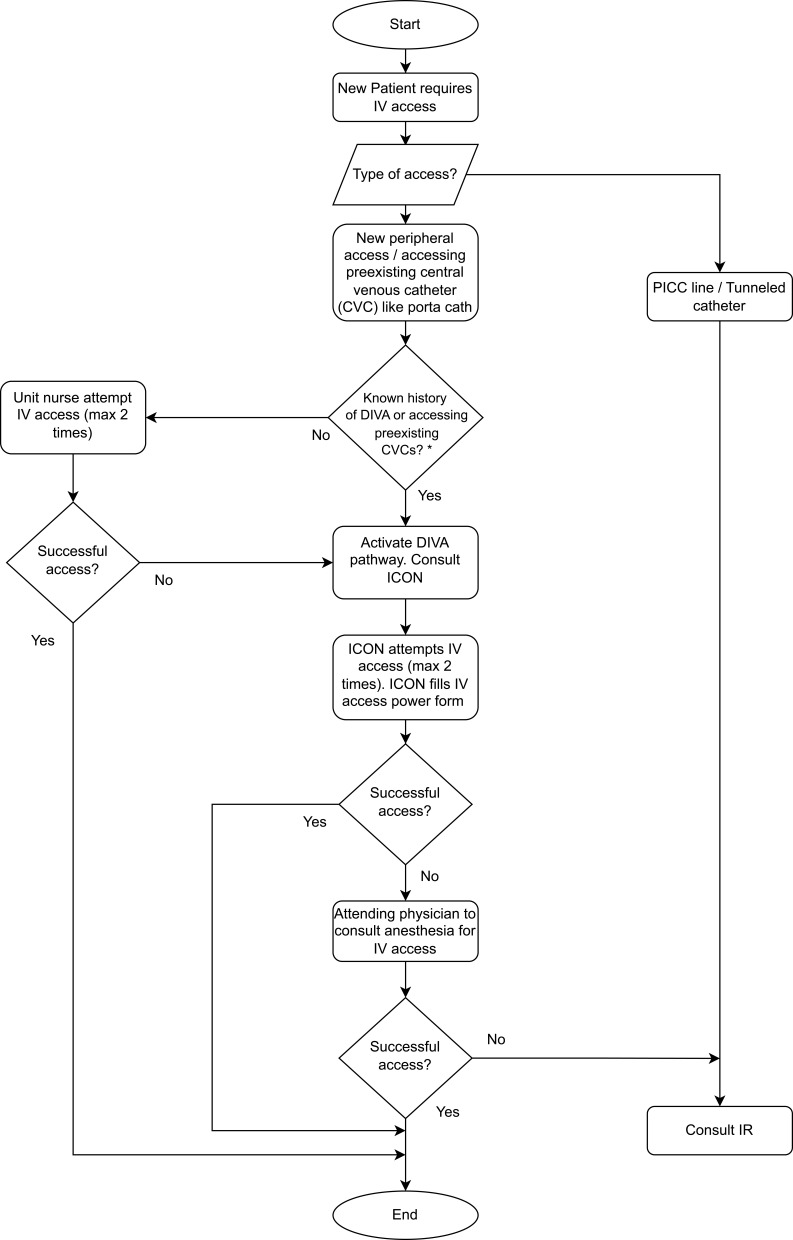
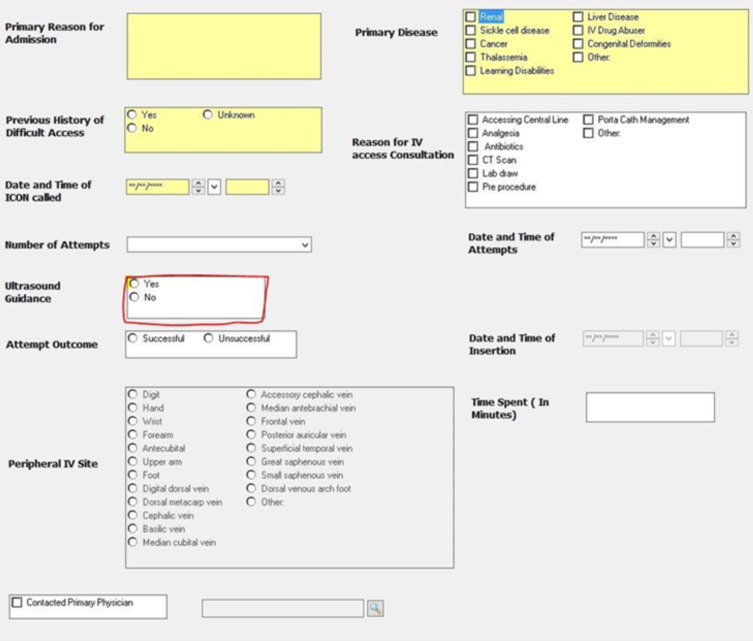
Patients and methods: A retrospective analysis was conducted on 311 DIVA patients at Sheikh Shakhbout Medical City (SSMC), Abu Dhabi, UAE, over seven months (June-December 2023). Data were obtained from electronic medical records (EMR) and Intensive Care Outreach Nurse (ICON) consultation forms. A novel IV escalation pathway and documentation system facilitated data collection on patient demographics, IV access reasons, and primary diagnoses.
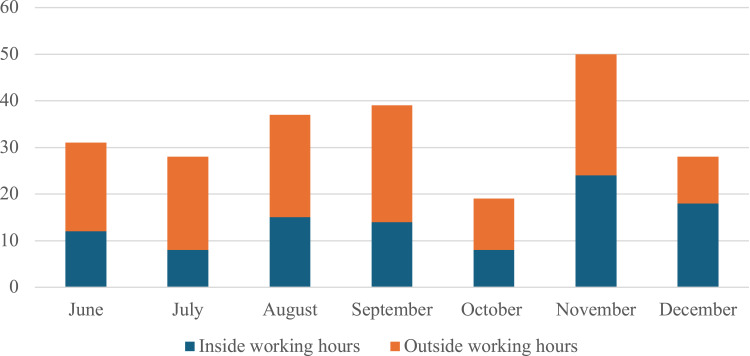
Results: Among ICON-assisted patients, 74.6% had a known DIVA history, with cancer and renal disease being common conditions. ICONs achieved a first-attempt success rate of 68.8%, underscoring the need for improved floor nurse training. The most frequent IV access indications were medication administration, antibiotics, laboratory tests, and analgesia. Additionally, 57.3% of ICON consultations occurred outside standard hours, highlighting resource allocation challenges.
Conclusion: Structured escalation pathways, advanced nurse training, and data-driven decision-making are critical in addressing DIVA. Recommendations include a dedicated IV access team, ultrasound-guided cannulation, and predictive analytics to identify high-risk patients, ultimately enhancing patient outcomes and healthcare efficiency.
Keywords: IV escalation pathway; difficult intravenous access; healthcare operations; healthcare quality; patient experience; patient safety; risk management.
© 2025 Saad et al.
Conflict of interest statement
The authors report no conflicts of interest in this work.
Figures
References
-
- Saad A, Alsadi J, Al-Absi DT, et al. An integrative risk assessment approach to enhancing patient safety in continuous renal replacement therapy (CRRT). J Safety Sci Resilience. 2024;5(3):344–354. doi: 10.1016/j.jnlssr.2024.04.003 - DOI
-
- Sujan M, Huang H, Braithwaite J. Learning from incidents in health care: critique from a safety-II perspective. Safety Sci. 2016;99. doi: 10.1016/j.ssci.2016.08.005 - DOI
-
- Bow EJ, Kilpatrick MG, Clinch JJ. Totally implantable venous access ports systems for patients receiving chemotherapy for solid tissue malignancies: a randomized controlled clinical trial examining the safety, efficacy, costs, and impact on quality of life. J Clin Oncol. 1999;17(4):1267. doi: 10.1200/JCO.1999.17.4.1267 - DOI - PubMed
LinkOut - more resources
Full Text Sources
