


Effect of cinnamon oil (Cinnamomum burmannii) on the histological kidney of male diabetic rats (Rattus norvegicus)
- PMID: 40201834
- PMCID: PMC11974283
- DOI: 10.5455/OVJ.2025.v15.i2.41
Effect of cinnamon oil (Cinnamomum burmannii) on the histological kidney of male diabetic rats (Rattus norvegicus)
Abstract
Background: Chronic systemic disease known as diabetes mellitus is defined by elevated blood glucose levels and problems with fat, carbohydrate, and protein metabolism. In Indonesia, the cinnamon species found include Cinnamomum burmannii, which also has hypoglycemic activity. The primary antioxidant chemicals found in C. burmannii bark extract are polyphenols, which include tannins and flavonoids.
Aim: The antidiabetic activity of cinnamon essential oil (C. burmannii) against streptozotocin (STZ) was examined in this study.
Methods: STZ (45 mg/kg BW) was administered intraperitoneally as a single dose. Twenty male rats were employed in this investigation. The rats were divided into five groups: treatment 1 (P1) was administered with STZ and provided with 100 mg/kg BW; treatment 2 (P2) was administered with STZ and provided with 200 mg/kg BW; and treatment 3 (P3) was administered with STZ and provided with 400 mg/kg BW. The negative control group (K-) was not treated with STZ and was treated with 1% Tween 80. For 14 days, the medication was administered daily.
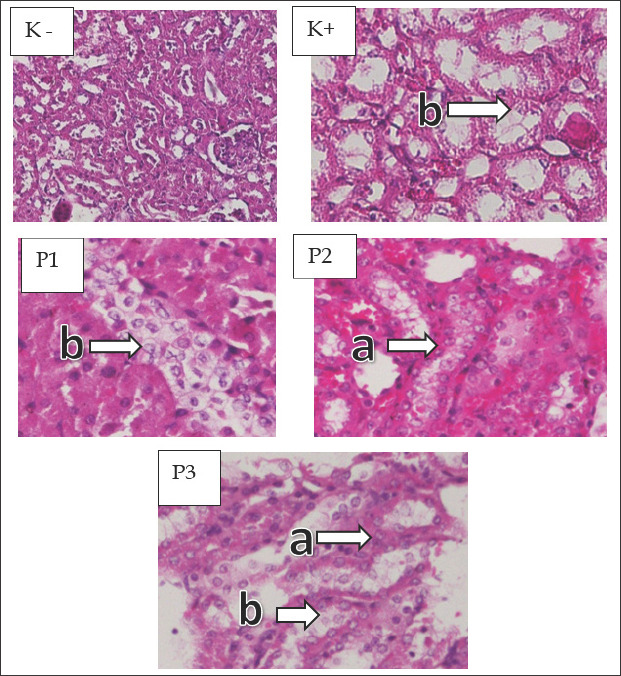
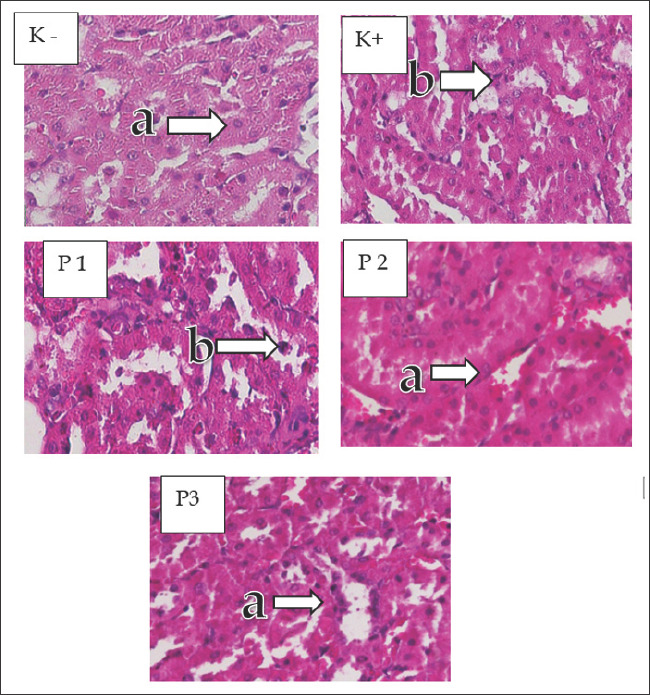
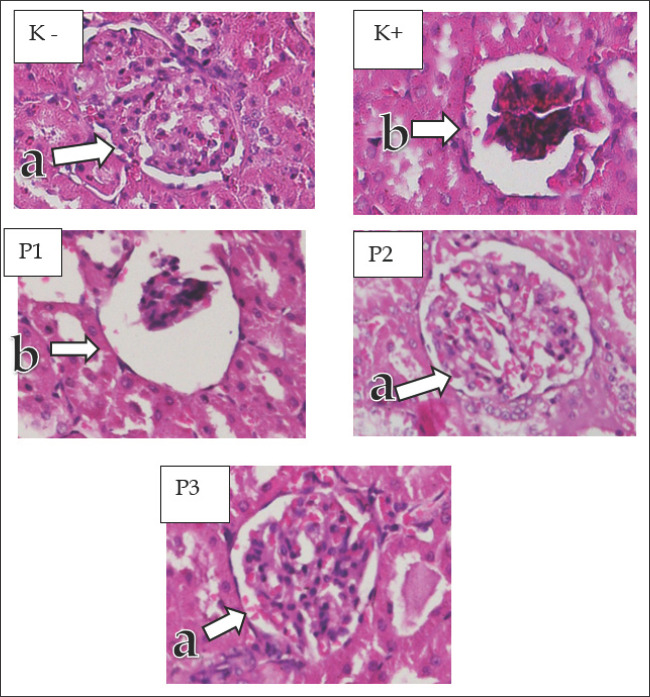
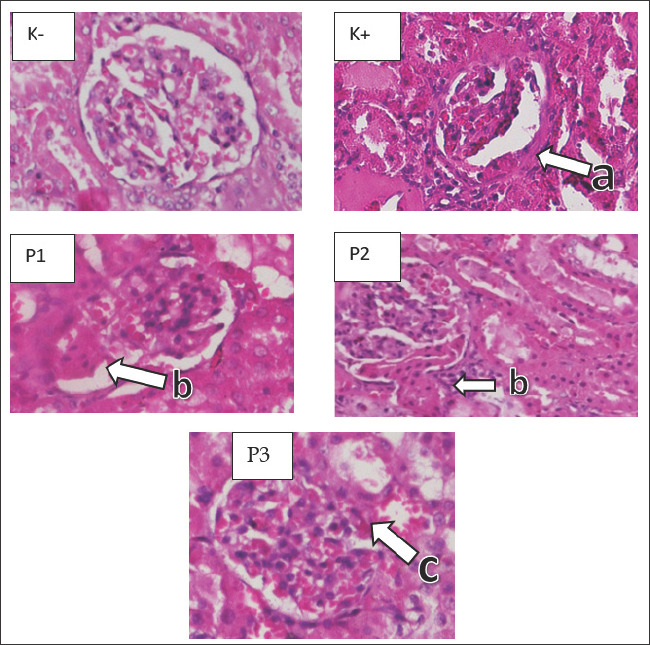
Results: The essential oil of cinnamon may lessen glomerulosclerosis, tubular necrosis, tubular degeneration, and glomerular necrosis. The kidney P3 treatment (400 mg/kg BW) produced negligible effects.
Conclusion: It is possible to create cinnamon essential oil as an herbal antidiabetic medication by lowering the degree of kidney cell damage.
Keywords: Antidiabetic; Cinnamomum burmannii; Essential oil; Kidney; Streptozotocin.
Conflict of interest statement
The authors declare no conflict of interest.
Figures
References
MeSH terms
Substances
LinkOut - more resources
Full Text Sources
Medical