


Lung cancer: Animal model of lung cancer, molecular carcinogenesis of lung cancer, and antitumor effect of Ocimum sanctum against lung cancer
- PMID: 40201854
- PMCID: PMC11974298
- DOI: 10.5455/OVJ.2025.v15.i2.1
Lung cancer: Animal model of lung cancer, molecular carcinogenesis of lung cancer, and antitumor effect of Ocimum sanctum against lung cancer
Abstract
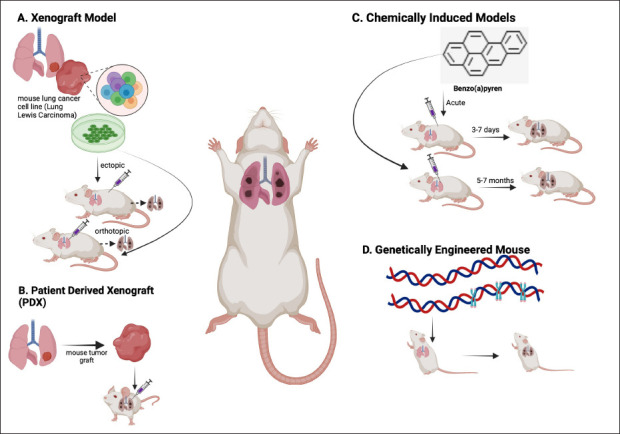
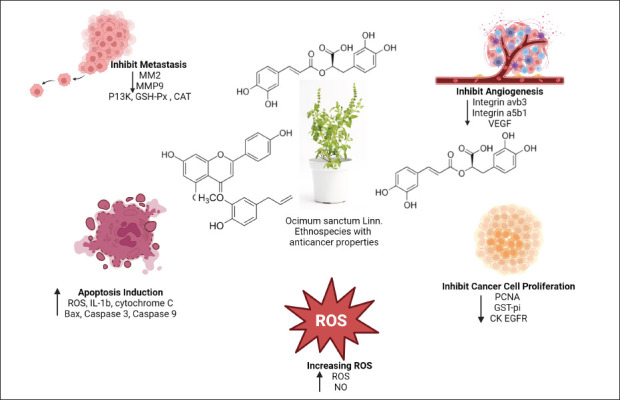
Lung cancer is the leading cause of fatalities related to cancer globally. There are numerous ways to treat lung cancer, including surgery, chemotherapy, and radiation. Since these treatments have not yet shown satisfactory results, more research into the underlying mechanisms and different approaches to therapy and prevention are needed. Animal models are essential to the study of lung cancer because they offer priceless information about the etiology, course, and possible treatments for the illness. The therapeutic application of phytochemicals and medicinal plants to treat cancer-related compounds has gained attention subsequently. In addition to discussing the molecular carcinogenic and antitumor effects of the herbal treatment Ocimum sanctum (OS) in connection to lung cancer, this review will address the current awareness regarding lung cancer in animal models. The multitude of animal models used in lung cancer research-such as genetically modified mice, carcinogen-induced models, and xenograft induction-provides a solid foundation for understanding the illness. By easing the examination of the environmental and genetic factors involved and enhancing the analysis of possibilities for treatment, these models eventually assist in the further development of lung cancer therapy. Additionally, using the herb plant OS is essential for both treating and preventing lung cancer. Standardizing dosages and enforcing laws on the use of herbal medications require more in-depth investigation.
Keywords: Animal model; Carcinogenesis mechanism; Lung cancer; Ocimum sanctum.
Conflict of interest statement
The authors declare that they have no conflict of interest
Figures
References
-
- Aksorn N, Chanvorachote P. Integrin as a molecular target for anti-cancer approaches in lung cancer. Anticancer Res. 2019;39(2):541–548. - PubMed
-
- Ali Z, Mukwaya A, Biesemeier A, Ntzouni M, Ramsköld D, Giatrellis S, Mammadzada P, Cao R, Lennikov A, Marass M, Gerri C, Hildesjö C, Taylor M, Deng Q, Peebo B, Peso L. del, Kvanta A, Sandberg R, Schraermeyer U, Andre H, Steffensen J.F, Lagali N, Cao Y, Kele J, Jensen L.D. Intussusceptive vascular remodeling precedes pathological neovascularization. Arterioscler. Thromb. Vasc. Biol. 2019;39(7):1402–1418. - PMC - PubMed
-
- Almatroodi S.A, Alsahli M.A, Almatroudi A, Rahmani A.H. Ocimum sanctum: role in diseases management through modulating various biological activity. Phcog. J. 2020;12(5):1198–1205.
-
- Arfan A, Andarini S.L. Role of miRNA in non-small cell lung carcinoma. Res. Sci. 2022;2(3):165–174.
Publication types
MeSH terms
Substances
LinkOut - more resources
Full Text Sources
Medical