


Fluorescent probes in autoimmune disease research: current status and future prospects
- PMID: 40205498
- PMCID: PMC11984237
- DOI: 10.1186/s12967-025-06430-5
Fluorescent probes in autoimmune disease research: current status and future prospects
Abstract
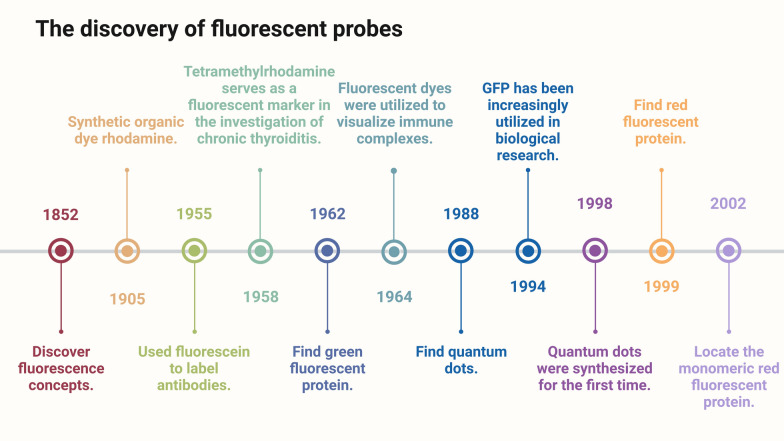
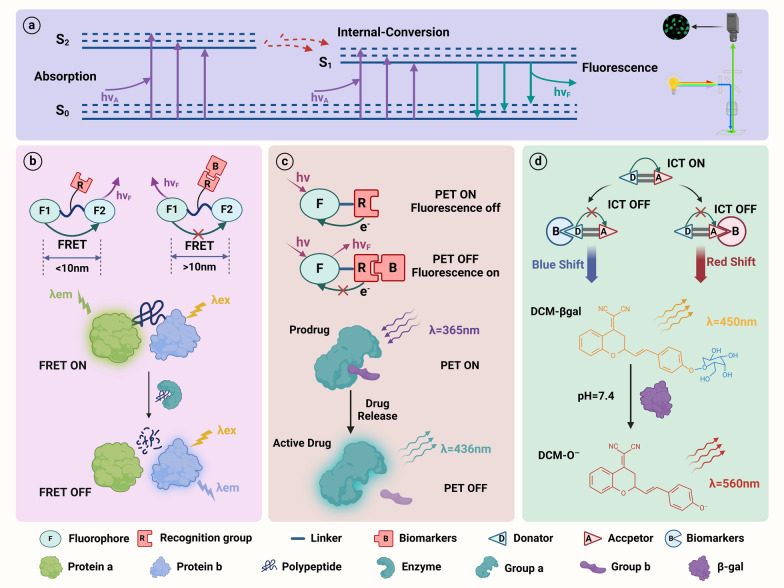
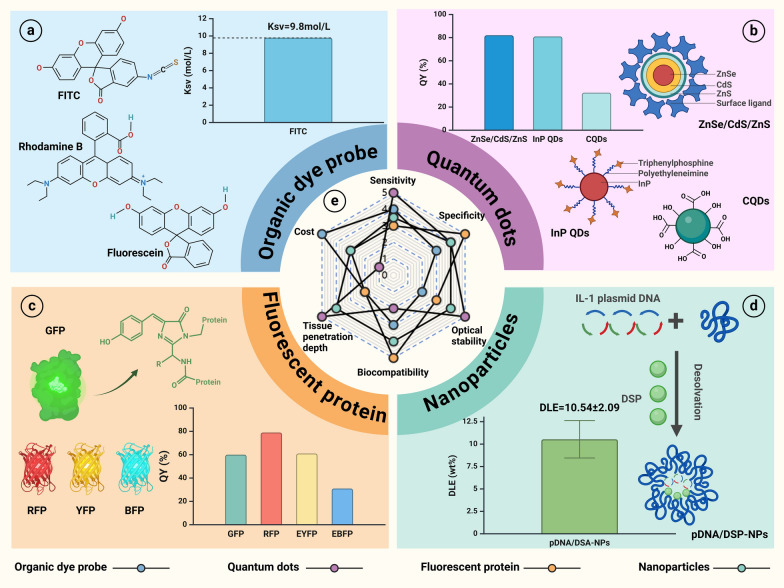
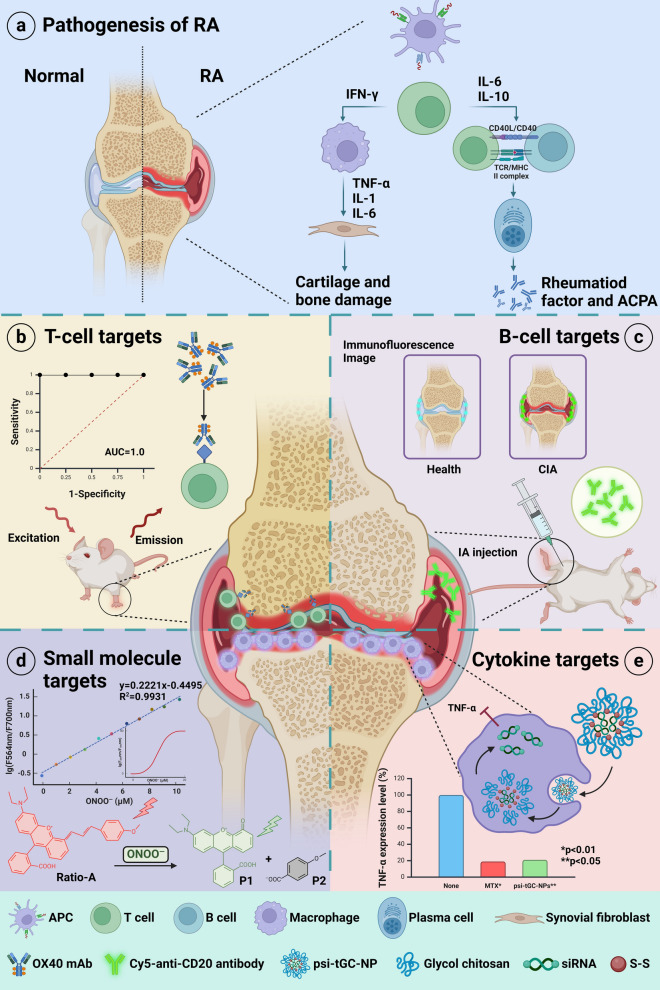
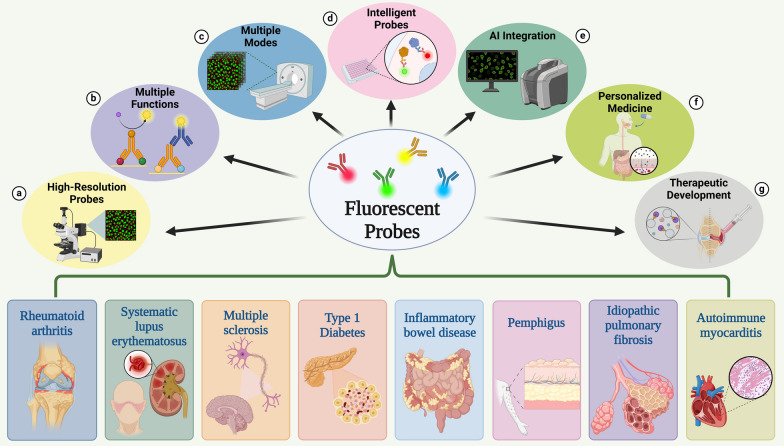
Autoimmune diseases (AD) present substantial challenges for early diagnosis and precise treatment due to their intricate pathogenesis and varied clinical manifestations. While existing diagnostic methods and treatment strategies have advanced, their sensitivity, specificity, and real-time applicability in clinical settings continue to exhibit significant limitations. In recent years, fluorescent probes have emerged as highly sensitive and specific biological imaging tools, demonstrating substantial potential in AD research.This review examines the response mechanisms and historical evolution of various types of fluorescent probes, systematically summarizing the latest research advancements in their application to autoimmune diseases. It highlights key applications in biomarker detection, dynamic monitoring of immune cell functions, and assessment of drug treatment efficacy. Furthermore, this article analyzes the technical challenges currently encountered in probe development and proposes potential directions for future research. With ongoing advancements in materials science, nanotechnology, and bioengineering, fluorescent probes are anticipated to achieve higher sensitivity and enhanced functional integration, thereby facilitating early detection, dynamic monitoring, and innovative treatment strategies for autoimmune diseases. Overall, fluorescent probes possess substantial scientific significance and application value in both research and clinical settings related to autoimmune diseases, signaling a new era of personalized and precision medicine.
Keywords: Autoimmune disease; Early diagnosis; Fluorescent probe; Multimodal imaging; Nanotechnology; Precision medicine.
© 2025. The Author(s).
Conflict of interest statement
Declarations. Competing interests: The authors declare that they have no known competing financial interests or personal relationships that could have appeared to influence the work reported in this paper.
Figures
References
Publication types
MeSH terms
Substances
Grants and funding
LinkOut - more resources
Full Text Sources
Medical
