


Earth's magnetic field and its relationship to the origin of life, evolution and planetary habitability
- PMID: 40206209
- PMCID: PMC11980988
- DOI: 10.1093/nsr/nwaf082
Earth's magnetic field and its relationship to the origin of life, evolution and planetary habitability
Abstract
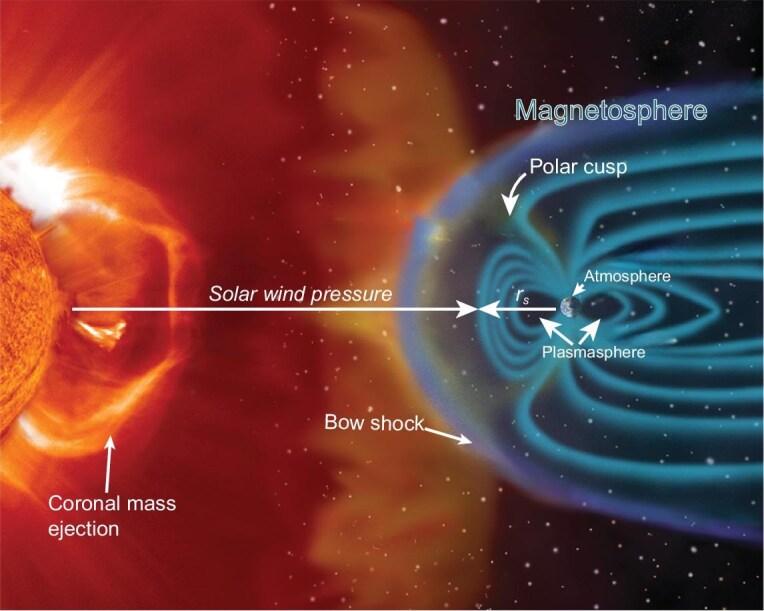
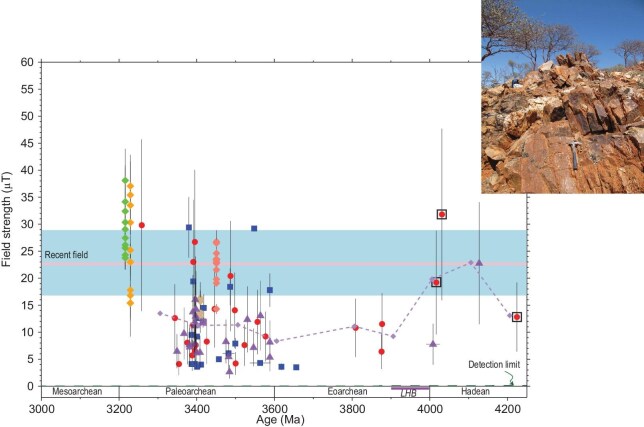
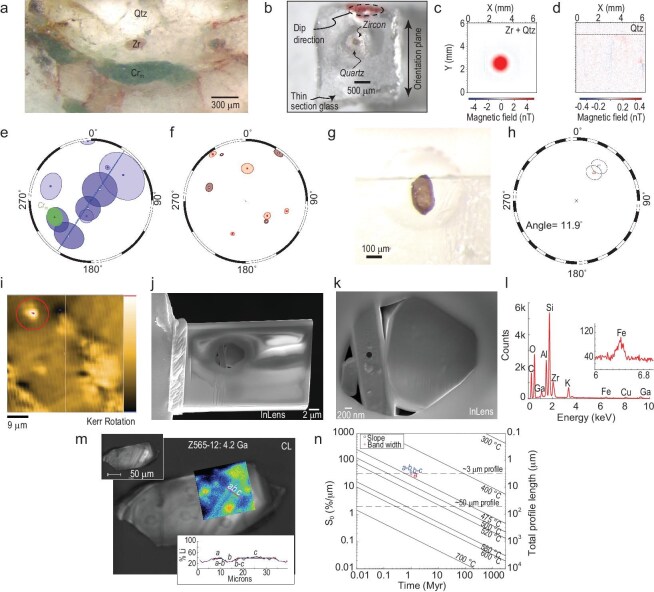
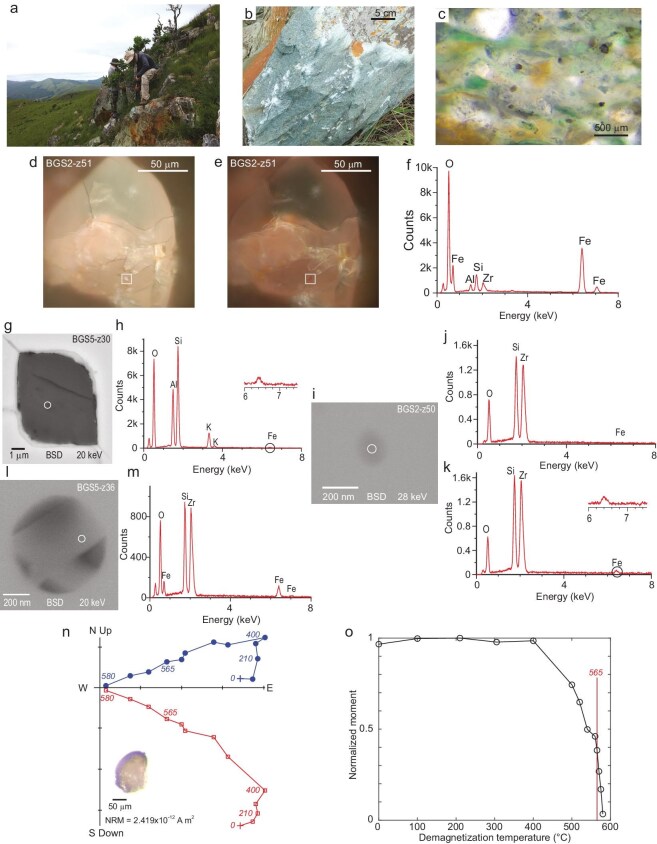
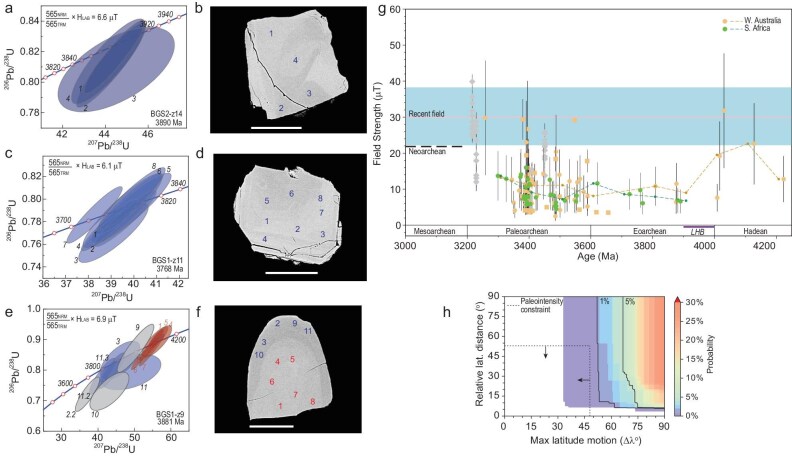
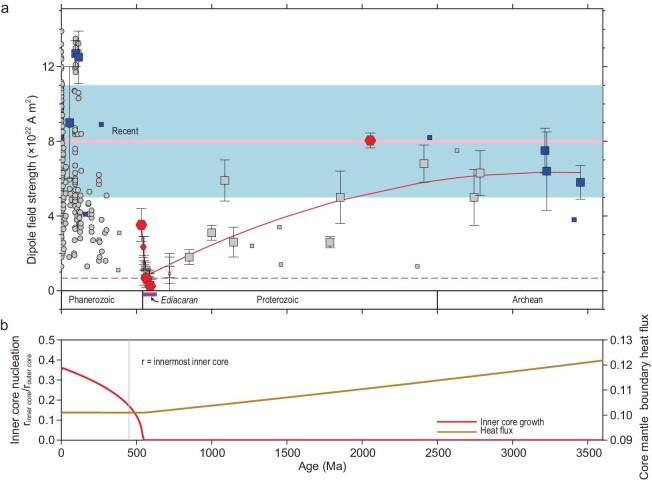
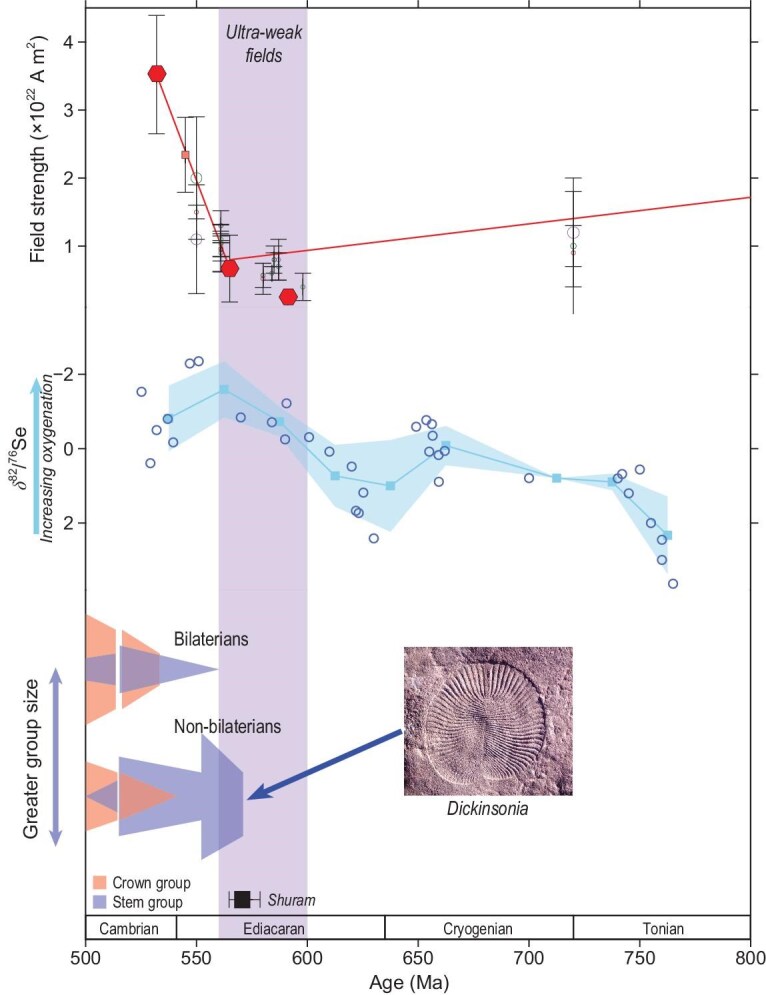
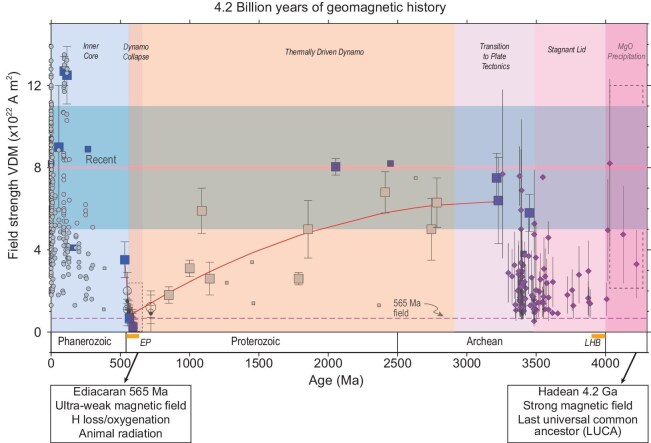
Earth's magnetic field history can provide insight into why life was able to originate and evolve on our planet, and how habitability has been maintained. The magnetism of minute magnetic inclusions in zircons indicates that the geomagnetic field is at least 4.2 billion years old, corresponding with genetic estimates for the age of the last universal common ancestor. The early establishment of the field would have provided shielding from solar and cosmic radiation, fostering environments for life to develop. The field was also likely important for preserving Earth's water, essential for life as we know it. Between 3.9 and ca. 3.4 billion years ago, zircon magnetism suggests latitudinal stasis of different ancestral terrains, and stagnant lid tectonics. These data also indicate that the solid Earth was stable with respect to the spin axis, consistent with the absence of plate tectonic driving forces. Moreover, these data point to the existence of low-latitude continental nuclei with equable climate locales that could have supported early life. Near the end of the Precambrian (0.591 to 0.565 billion years ago), the dynamo nearly collapsed, but growth of the inner core during earliest Cambrian times renewed the magnetic field and shielding, helping to prevent drying of the planet. Before this renewal, the ultra-weak magnetic shielding may have had an unexpected effect on evolution. The extremely weak field could have allowed enhanced hydrogen escape to space, leading to increased oxygenation of the atmosphere and oceans. In this way, Earth's magnetic field may have assisted the radiation of the macroscopic and mobile animals of the Ediacara fauna. Whether the Ediacara fauna are genetically related to modern life is a matter of debate, but if so, magnetospheric control on atmospheric composition may have led to an acceleration in evolution that ultimately resulted in the emergence of intelligent life.
Keywords: Ediacaran animal evolution; geomagnetic field; habitability; magnetosphere; origin of life.
© The Author(s) 2025. Published by Oxford University Press on behalf of China Science Publishing & Media Ltd.
Figures
References
-
- Uffen R. Influence of the Earth’s core on the origin and evolution of life. Nature 1963; 198: 143–4. 10.1038/198143b0 - DOI
-
- Sagan C. Is the early evolution of life related to the development of the Earth’s core? Nature 1965; 206: 448. 10.1038/206448a0 - DOI
-
- Tarduno JA, Blackman E, Mamajek E. Detecting the oldest geodynamo and attendant shielding from the solar wind: implications for habitability. Phys Earth Planet Inter 2014; 233: 68–87. 10.1016/j.pepi.2014.05.007 - DOI
-
- Oparin AI . Origin of Life. New York: Macmillan, 1938.
-
- Bernal JD. Physical Basis of Life. London: Routledge and Kegan Paul, 1951.
Publication types
LinkOut - more resources
Full Text Sources