


Self-medication practices and associated factors among pregnant women in Oromia, Ethiopia: institutional based cross-sectional study
- PMID: 40206476
- PMCID: PMC11978660
- DOI: 10.3389/fmed.2025.1489990
Self-medication practices and associated factors among pregnant women in Oromia, Ethiopia: institutional based cross-sectional study
Abstract
Background: Self-medication, the practice of using medications without medical prescription, is a widespread phenomenon, particularly among pregnant women. This practice can lead to serious adverse effects on both the mother and the fetus, including drug interactions, birth defects, and premature labor. Despite its potential risks, the prevalence and factors associated with self-medication during pregnancy in Ethiopia remain understudied.
Objective: This study aimed to assess the prevalence of self-medication practices and identify the factors associated with it among pregnant women attending antenatal care in Oromia, Ethiopia.
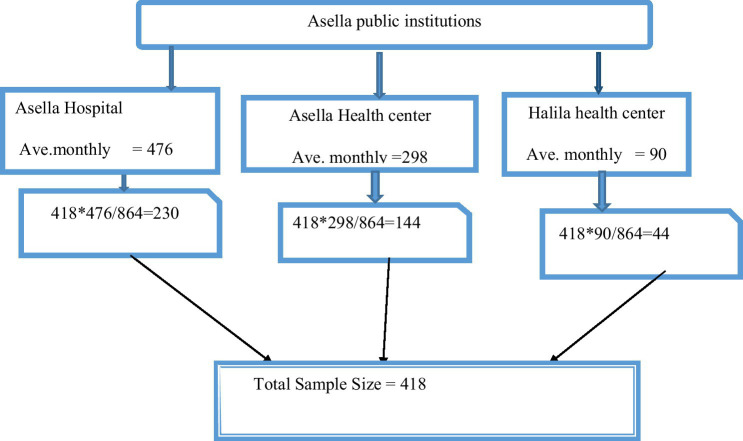
Methods: A cross-sectional study was conducted from August to September 2023, involving 418 pregnant women attending antenatal care at public health institutions in Asella. A structured questionnaire given by an interviewer was used to gather data. Using SPSS version 25, the gathered data was cleaned, coded, and examined. Binary logistic regression analysis was used to determine the factors associated to self-medication, and descriptive statistics were used to summarize the data.
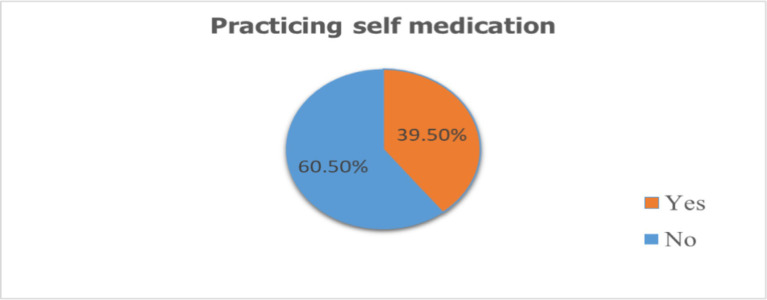
Results: Overall the prevalence of self-medication practice among pregnant women was 39.5% (95%CI: 34.7-44.7%). Factors associated with self medication practice during pregnancy are; Primigravida women (AOR 2.18, 95% CI: 1.08-3.38), those with unintended pregnancies (AOR 1.65, 95% CI: 1.20-1.70), lacking health education on self-medication during (AOR 1.50, 95% CI: 1.45-2.55), those previous pregnancy and delivery related problem (AOR 1.6, 95% CI 1.55-2.65) were significantly associated with self-medication practice.
Conclusion and recommendation: Self-medication is a prevalent practice among pregnant women in Asella, Ethiopia. To mitigate the risks associated with self-medication, it is crucial to implement comprehensive health education programs targeting pregnant women, particularly primigravida women and those with unintended pregnancies. These programs should emphasize the dangers of self-medication, the importance of seeking professional medical advice, and the proper use of medications during pregnancy.
Keywords: Asella town; Ethiopia; antenatal care; pregnant woman; self-medication.
Copyright © 2025 Ahmed, Damtew, Bezabih, Wakwoya, Abdi and Tiruye.
Conflict of interest statement
The authors declare that the research was conducted in the absence of any commercial or financial relationships that could be construed as a potential conflict of interest.
Figures
References
-
- Organization WH . Guidelines for the regulatory assessment of medicinal products for use in self-medication World Health Organization; (2000). Available at: https://iris.who.int/handle/10665/66154
-
- Bohio R, Brohi ZP, Bohio F. Utilization of over the counter medication among pregnant women; a cross-sectional study conducted at Isra University hospital, Hyderabad. J Pak Med Assoc. (2016) 66:68–71. PMID: - PubMed
LinkOut - more resources
Full Text Sources
