


Supine Bridge Exercise: A Narrative Review of the Literature (Part I)
- PMID: 40206899
- PMCID: PMC11981018
- DOI: 10.7759/cureus.80349
Supine Bridge Exercise: A Narrative Review of the Literature (Part I)
Abstract
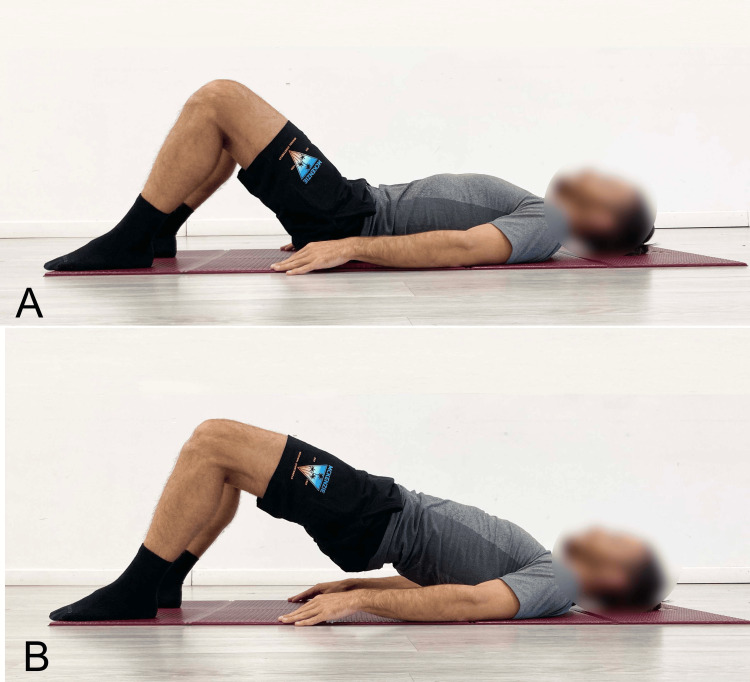
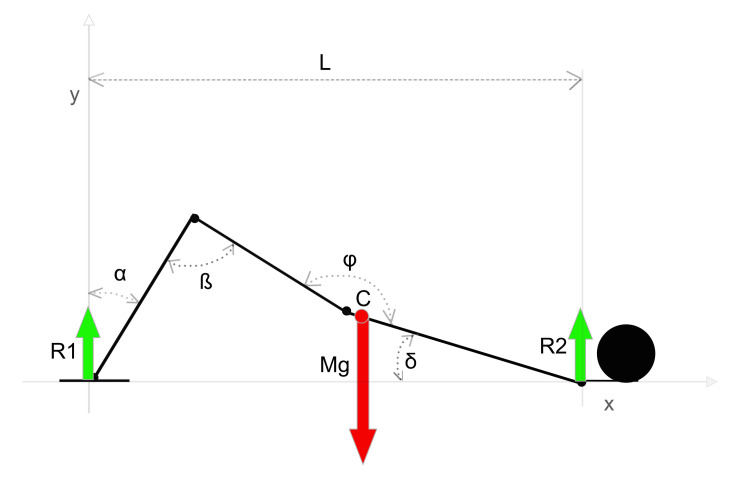
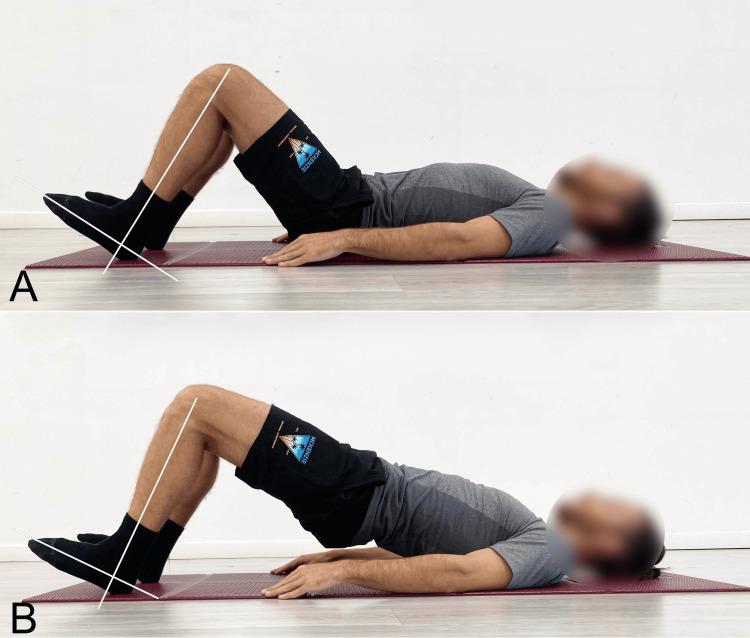
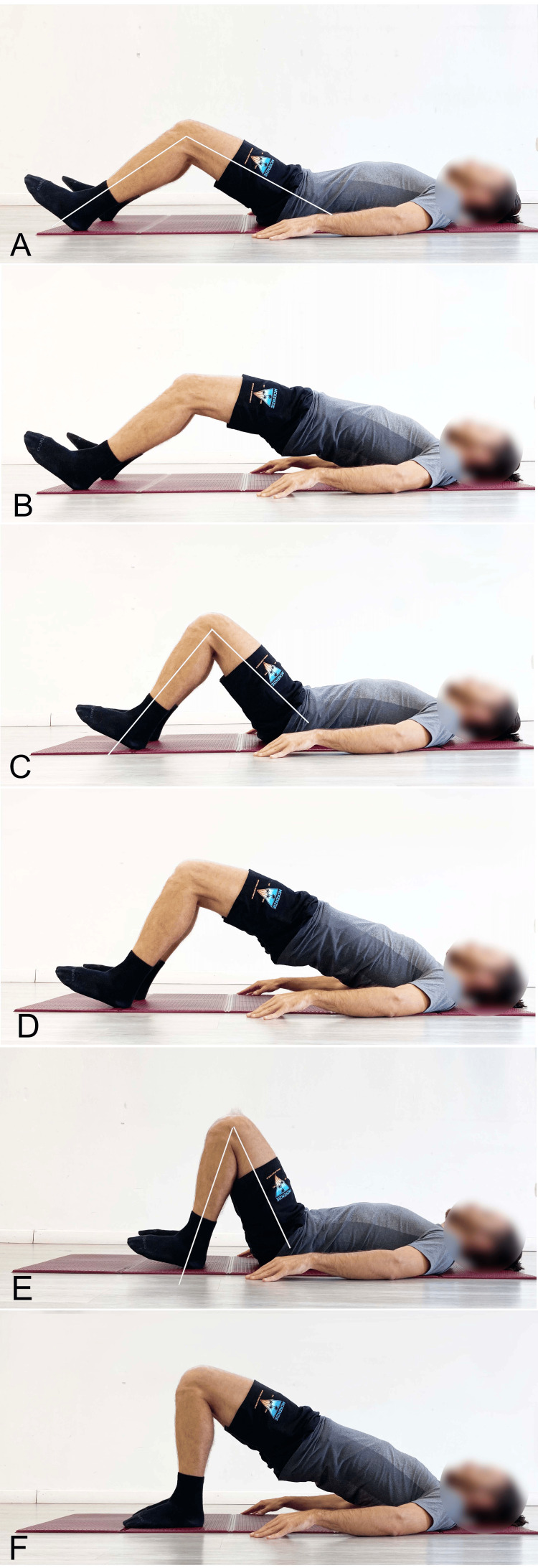
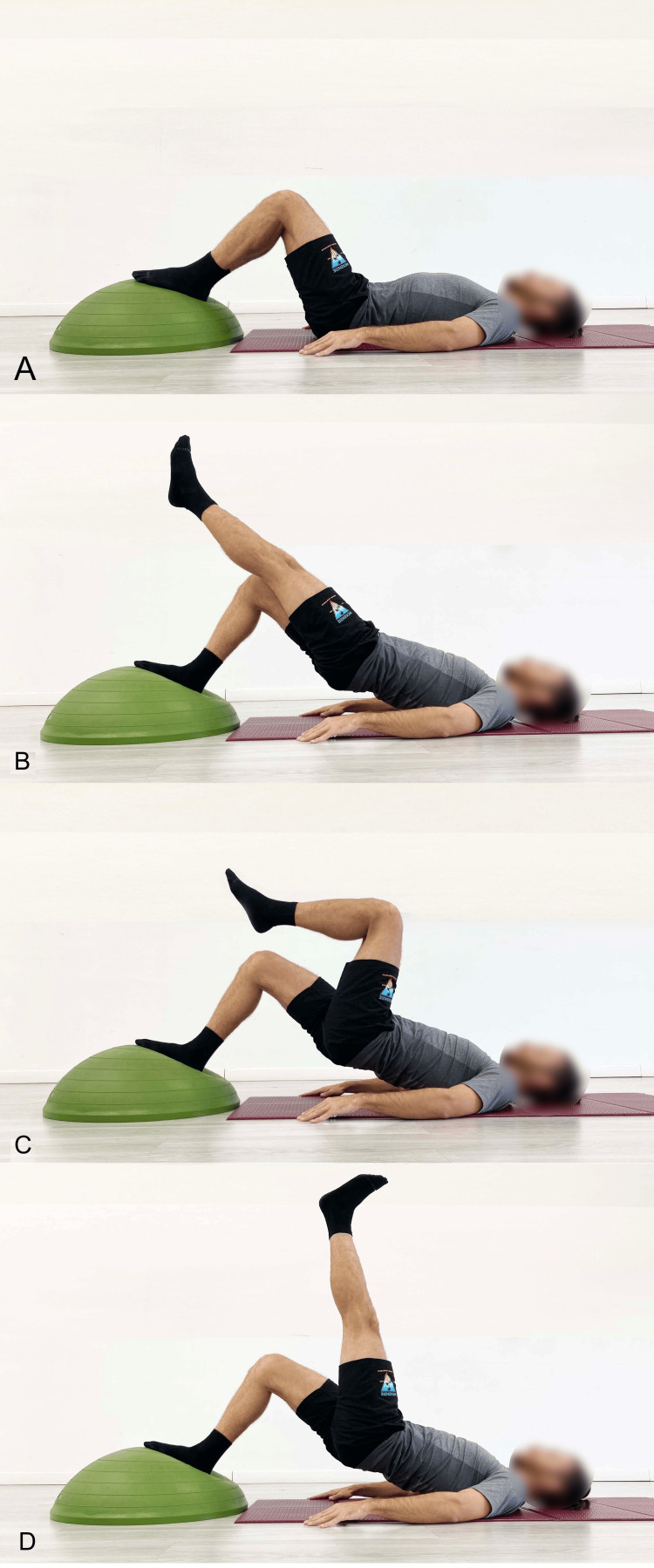
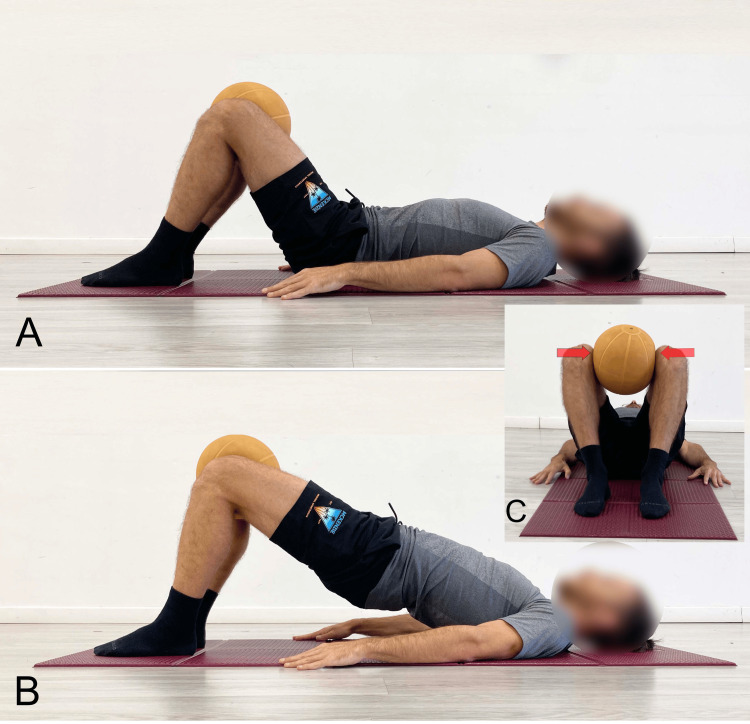
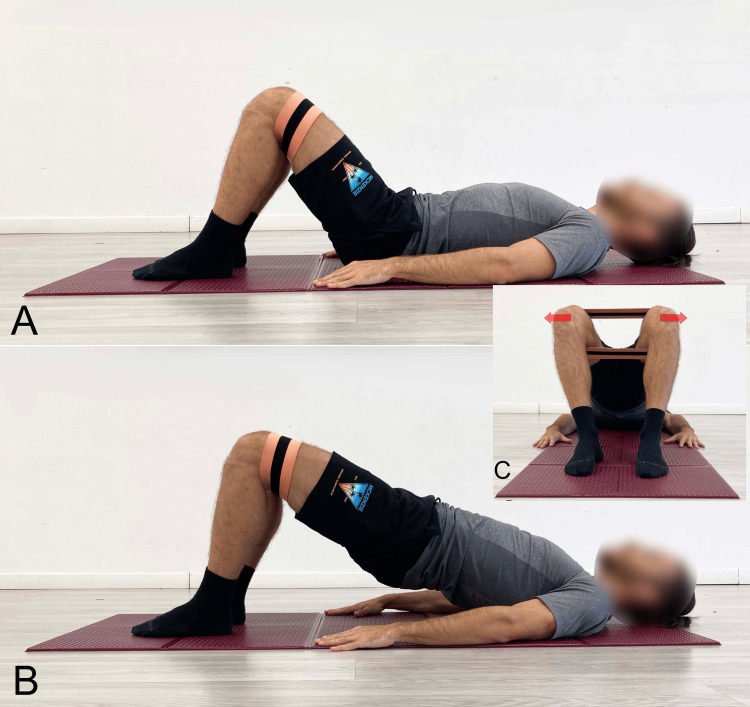
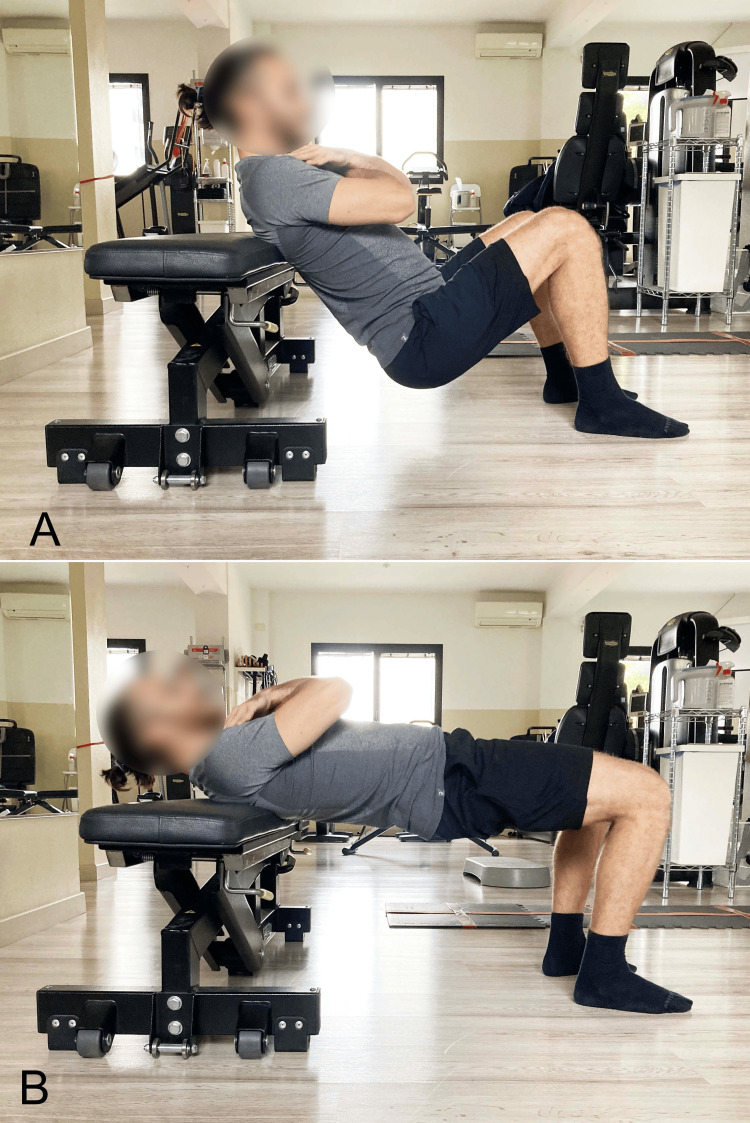
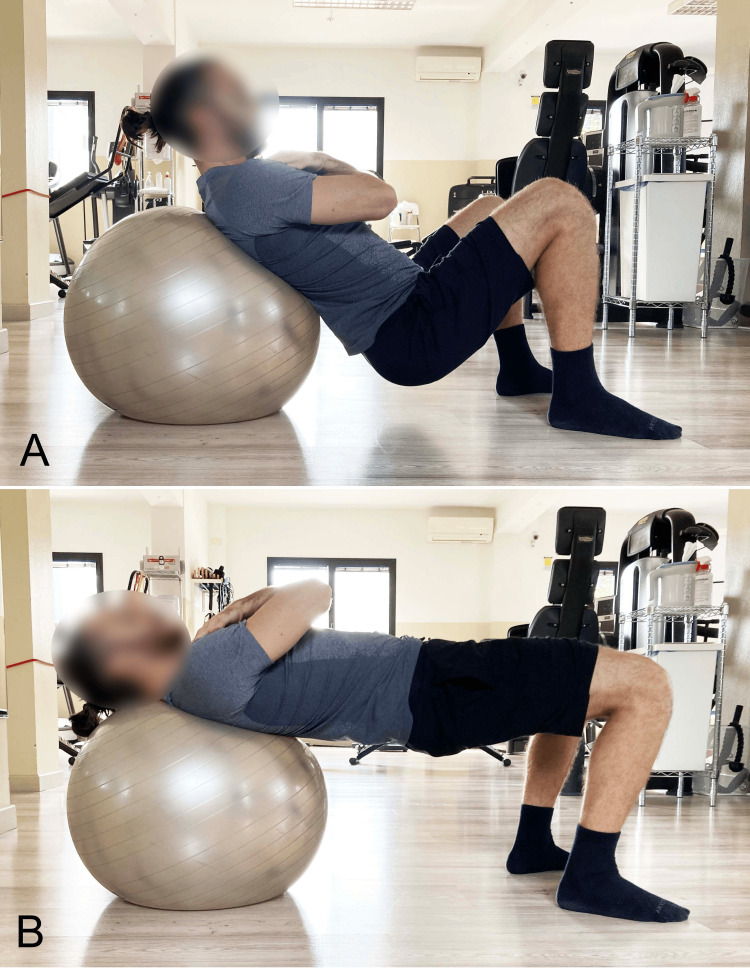
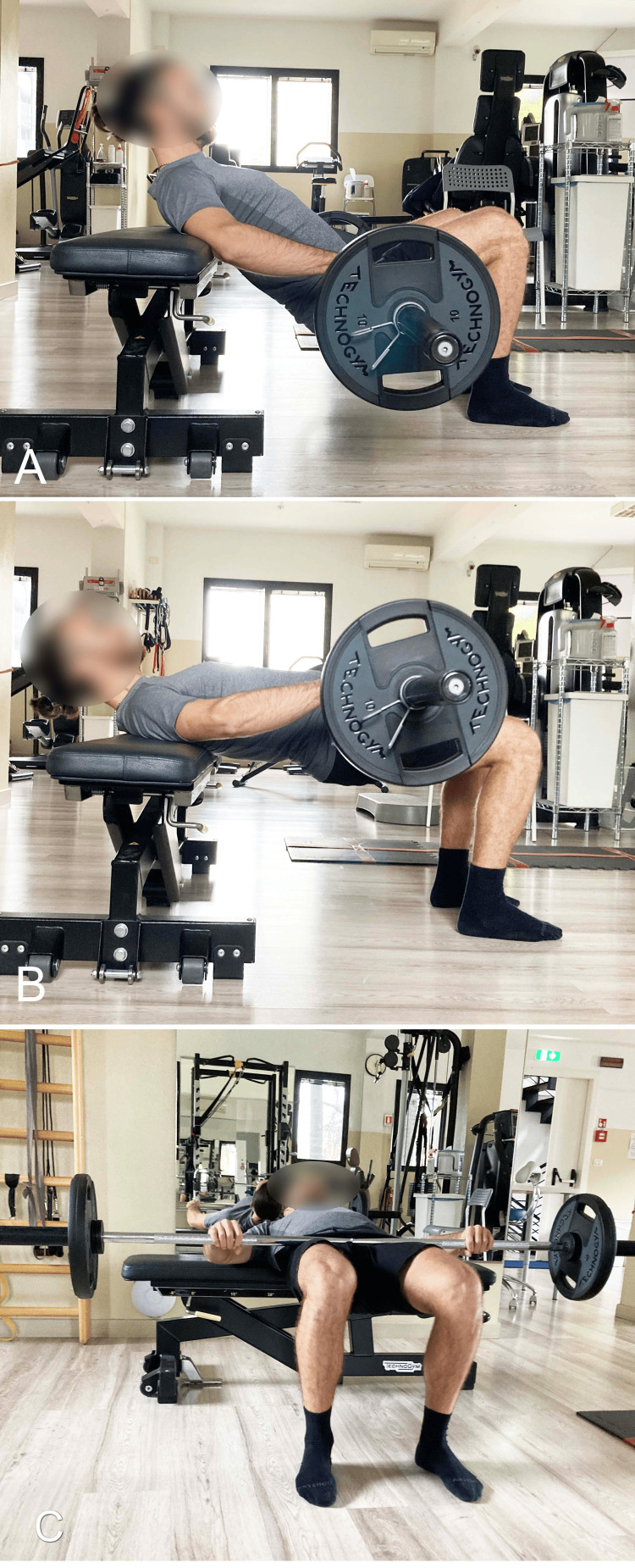
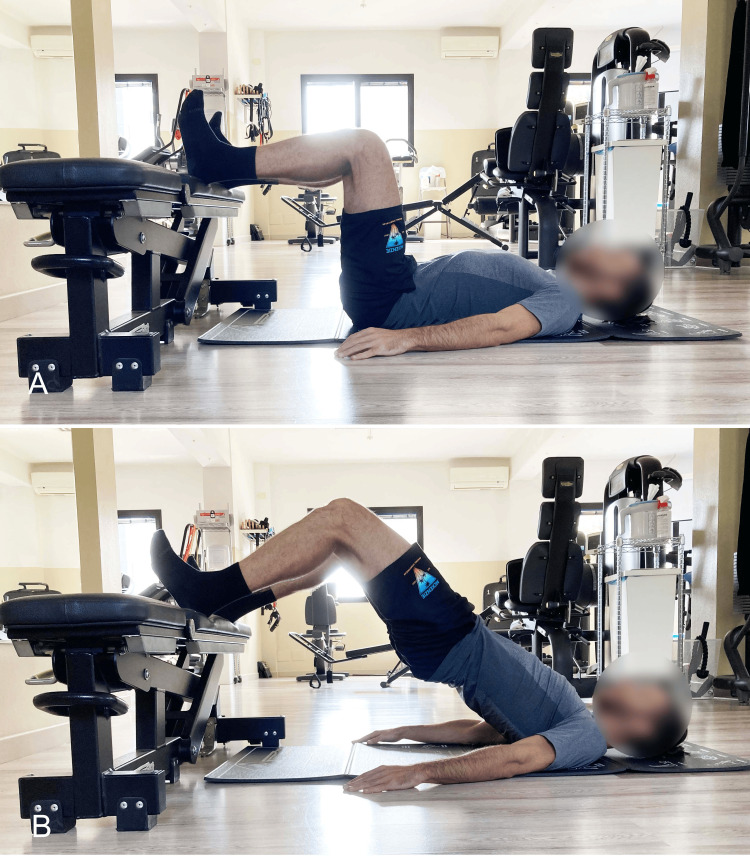
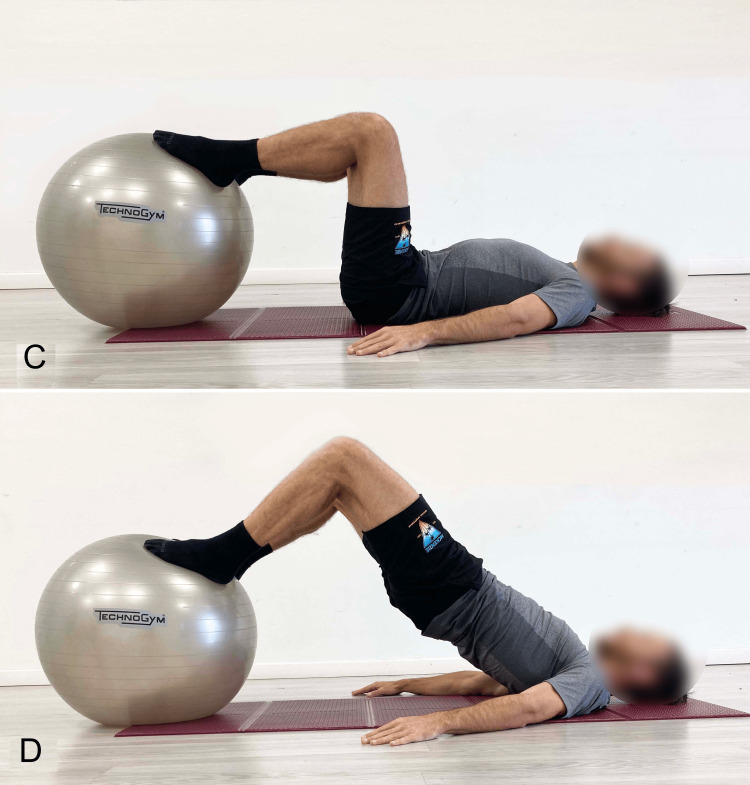
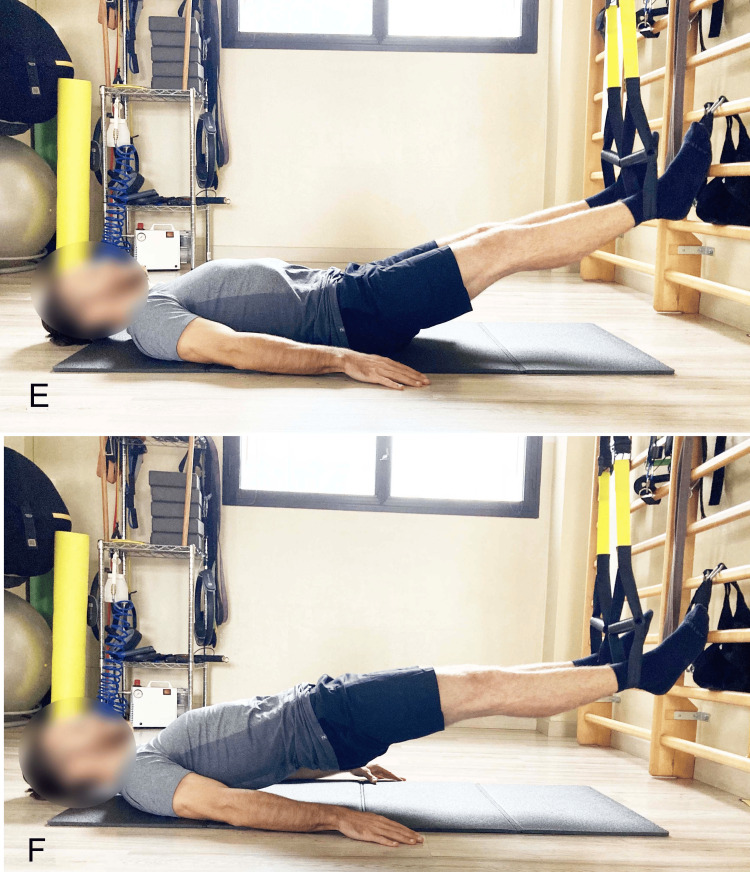
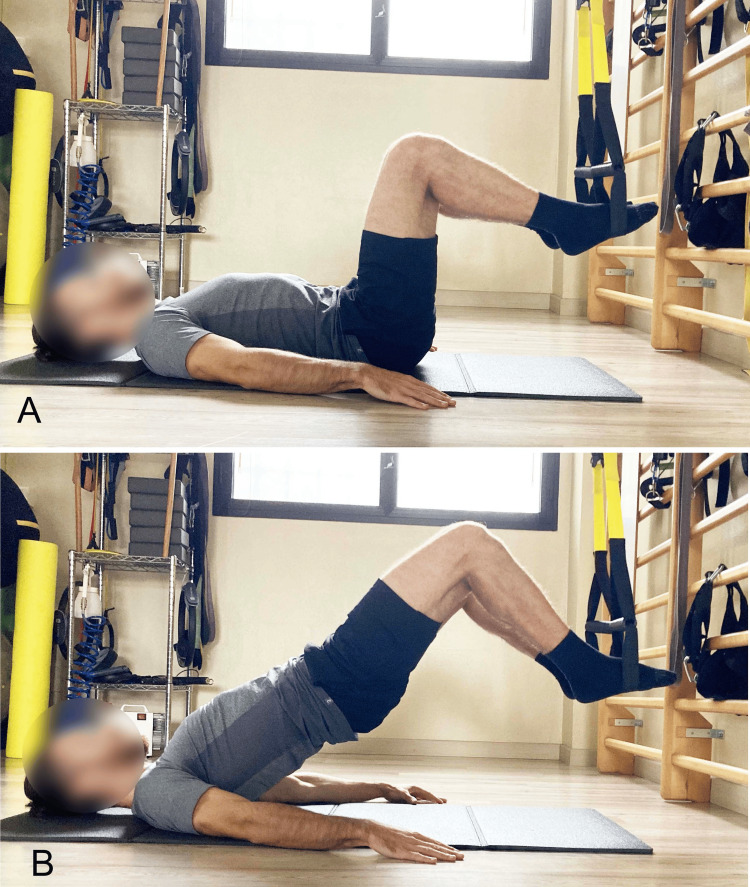
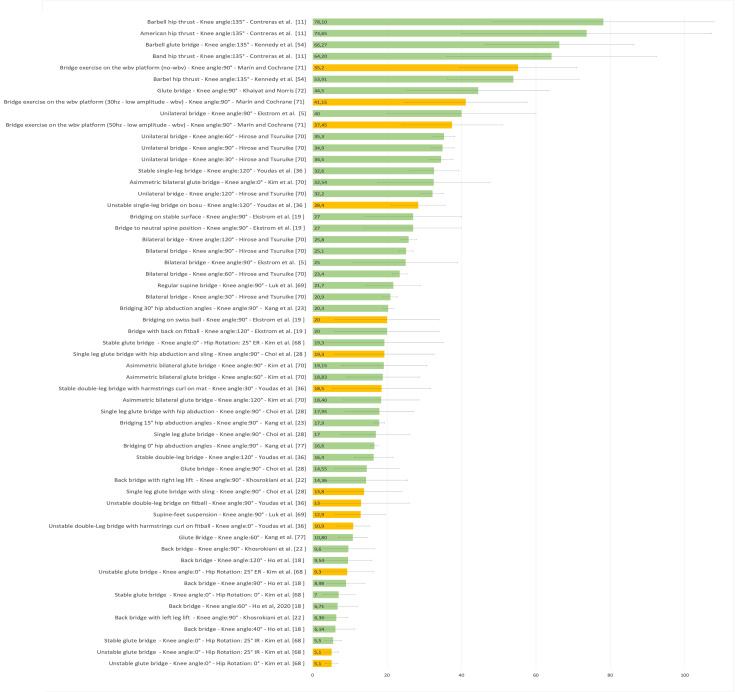
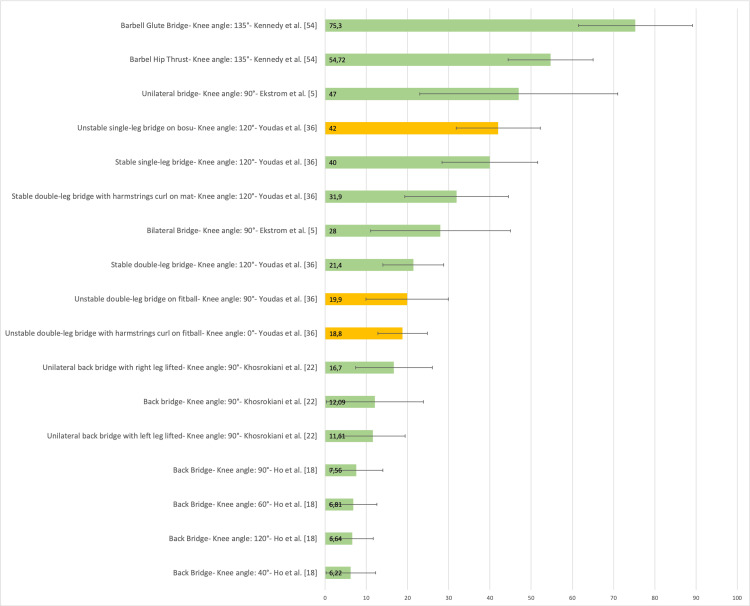
This article represents the first part of a larger work aimed at exploring the use of the supine bridge exercise (SBE) for both therapeutic and preventive purposes concerning lower back and hip joint pathologies, which will be presented in a subsequent article. The current article presents various execution modes of SBE found in the literature. It discusses what is involved in performing the traditional SBE with different angles at the ankle, knee, hip, and spine. It also addresses SBE variations, such as (1) single-leg; (2) with simultaneous activation of the hip adductors; (3) with simultaneous activation of the hip abductors; (4) with elevated upper trunk support; and (5) with foot-elevated support on a stable or unstable surface. Additionally, it reviews the literature on how different methods of performing the SBE engage muscles responsible for the stability of the hip, pelvis, and lumbar spine, including the gluteus maximus, gluteus medius, hamstrings, erector spinae, multifidus, transversus abdominis, and external oblique. The aim of this article is to serve as a practical guide or "manual" for utilizing SBE across a variety of rehabilitative contexts, providing insights into how the exercise can be adapted to target specific muscles effectively in different clinical scenarios.
Keywords: barbell glute bridge; barbell hip thrust; erector spinae; external oblique muscle; gluteus maximus muscle; gluteus medius; hamstring muscle; multifidus; supine bridge exercise.
Copyright © 2025, Colonna et al.
Conflict of interest statement
Conflicts of interest: In compliance with the ICMJE uniform disclosure form, all authors declare the following: Payment/services info: All authors have declared that no financial support was received from any organization for the submitted work. Financial relationships: All authors have declared that they have no financial relationships at present or within the previous three years with any organizations that might have an interest in the submitted work. Other relationships: All authors have declared that there are no other relationships or activities that could appear to have influenced the submitted work.
Figures
References
-
- The role of core stability in athletic function. Kibler WB, Press J, Sciascia A. Sports Med. 2006;36:189–198. - PubMed
-
- Electromyographical comparison of plank variations performed with and without instability devices. Snarr RL, Esco MR. J Strength Cond Res. 2014;28:3298–3305. - PubMed
-
- Sequential muscle activity and its functional role in the upper extremity and trunk during overarm throwing. Hirashima M, Kadota H, Sakurai S, Kudo K, Ohtsuki T. J Sports Sci. 2002;20:301–310. - PubMed
-
- Core muscle activation during Swiss ball and traditional abdominal exercises. Escamilla RF, Lewis C, Bell D, et al. J Orthop Sports Phys Ther. 2010;40:265–276. - PubMed
-
- Electromyographic analysis of core trunk, hip, and thigh muscles during 9 rehabilitation exercises. Ekstrom RA, Donatelli RA, Carp KC. J Orthop Sports Phys Ther. 2007;37:754–762. - PubMed
Publication types
LinkOut - more resources
Full Text Sources