Diagnostic value of metagenomic next-generation sequencing in patients with osteoarticular infections: a prospective study
- PMID: 40207985
- PMCID: PMC12054075
- DOI: 10.1128/spectrum.01064-24
Diagnostic value of metagenomic next-generation sequencing in patients with osteoarticular infections: a prospective study
Abstract
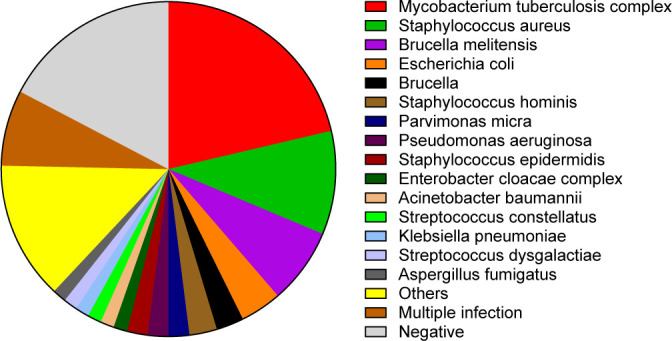
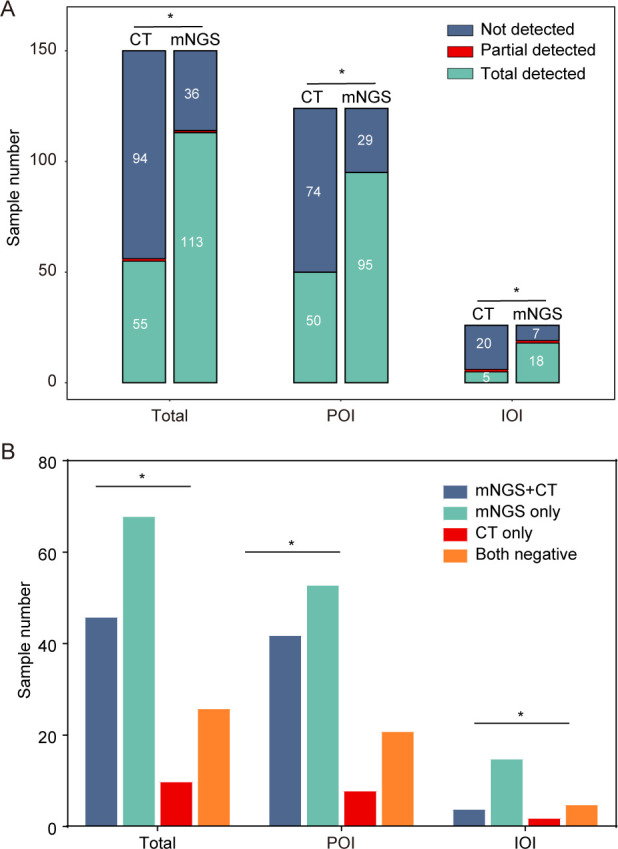
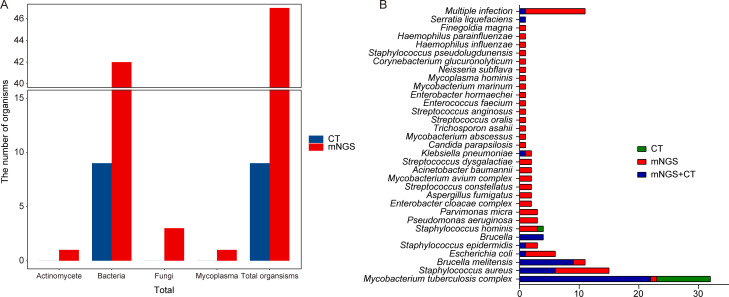
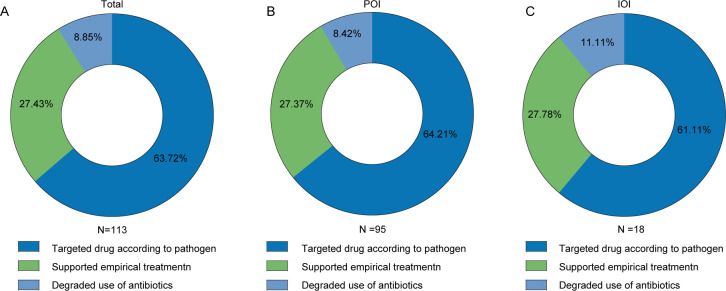
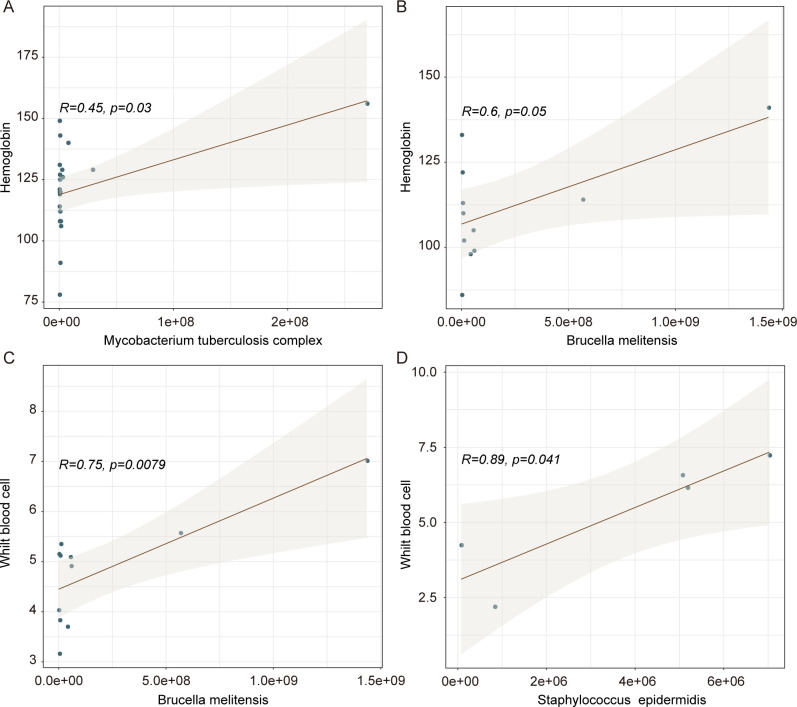
Due to the limits of traditional microbiological methods and the complexity of osteoarthritis pathogens, only a few pathogens can be detected. We evaluated metagenomic next-generation sequencing (mNGS) for detecting pathogens in osteoarthritis infection samples. We prospectively included 150 patients with osteoarthritis infection who visited the Orthopedics Department of Shandong Provincial Public Health Center from 2023 to 2024, including 124 cases of primary osteoarthritis (POI) and 26 cases of invasive osteoarthritis (IOI). The most common pathogenic bacteria were Mycobacterium tuberculosis complex, Staphylococcus aureus, and Brucella melitensis. mNGS (75.33%) significantly improved the detection of pathogens in osteoarticular infections compared to conventional tests (CT) methods (36.67%). mNGS could detect a wider spectrum of pathogens compared to CT methods, especially for mixed and rare pathogens. The treatment strategies for patients with osteoarthritis infection could be adjusted based on the results obtained from mNGS testing. Furthermore, the abundance of M. tuberculosis complex, B. melitensis, and Staphylococcus epidermidis was significantly correlated with clinical indicators.IMPORTANCEIdentifying the microorganisms responsible for osteoarthritis infection could help with early diagnosis and treatment. In this study, we compared the pathogen detection rate of metagenomic next-generation sequencing (mNGS) and CT methods in patients with osteoarthritis infection and found that mNGS had a higher microbial detection rate and a broader spectrum of pathogens (especially for mixed pathogens). This study demonstrates that mNGS is an ideal tool for detecting pathogens in patients with osteoarticular infections.
Keywords: diagnosis; infection; invasion; osteoarticular infections; primary; tuberculosis.
Conflict of interest statement
The authors declare no conflict of interest.
Figures
References
-
- Yombi JC, Seyler L, Cornu O, Barbier O, Libouton X, Rodriguez-Villalobos H, Thienpont E. 2017. Difficult to treat osteoarticulars infections: focus on mycobacterial and fungal infection. Acta Orthop Belg 83:110–123. - PubMed
LinkOut - more resources
Full Text Sources