


Comparative transcriptome analysis of Labeo calbasu (Hamilton, 1822) from polluted and non-polluted rivers in India
- PMID: 40209169
- PMCID: PMC11984975
- DOI: 10.1371/journal.pone.0320358
Comparative transcriptome analysis of Labeo calbasu (Hamilton, 1822) from polluted and non-polluted rivers in India
Abstract
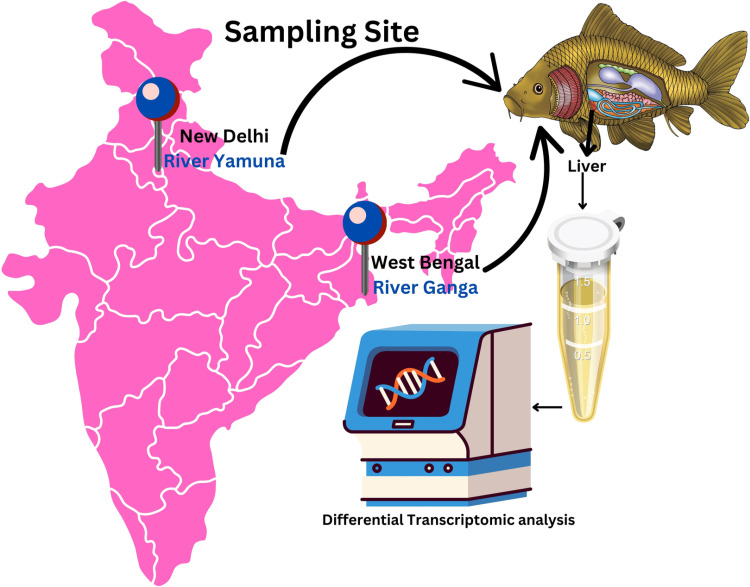
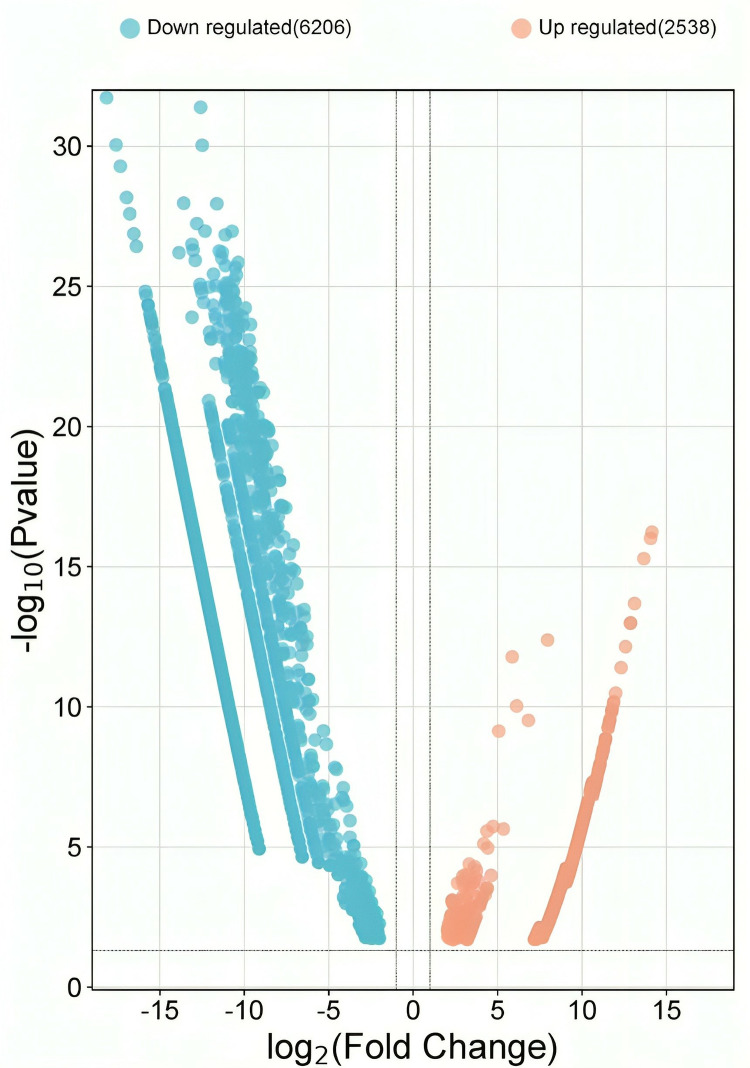
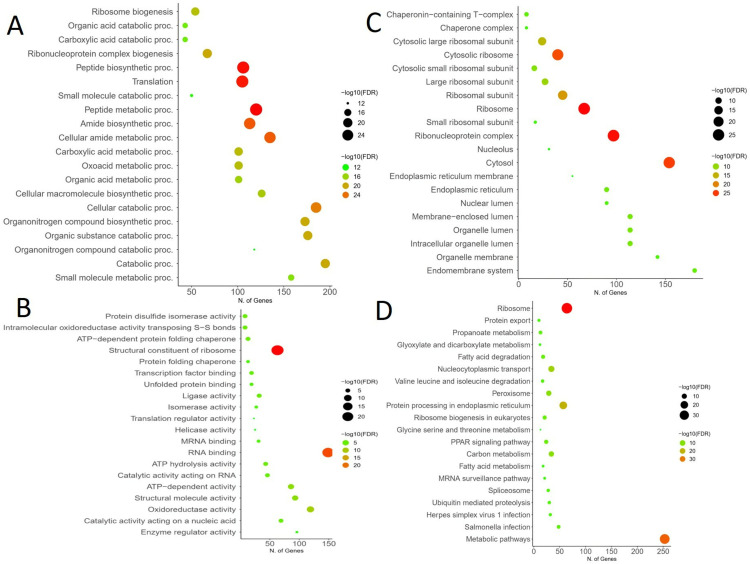
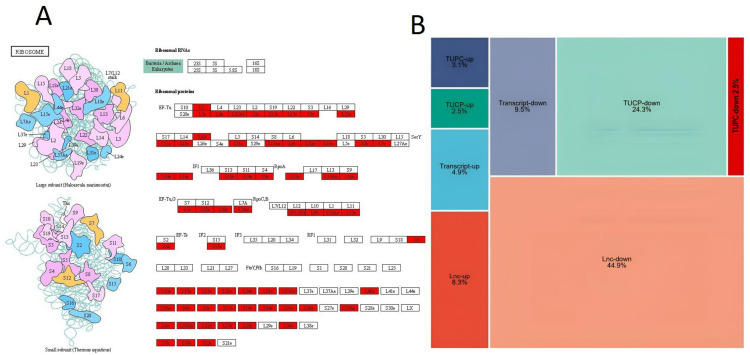
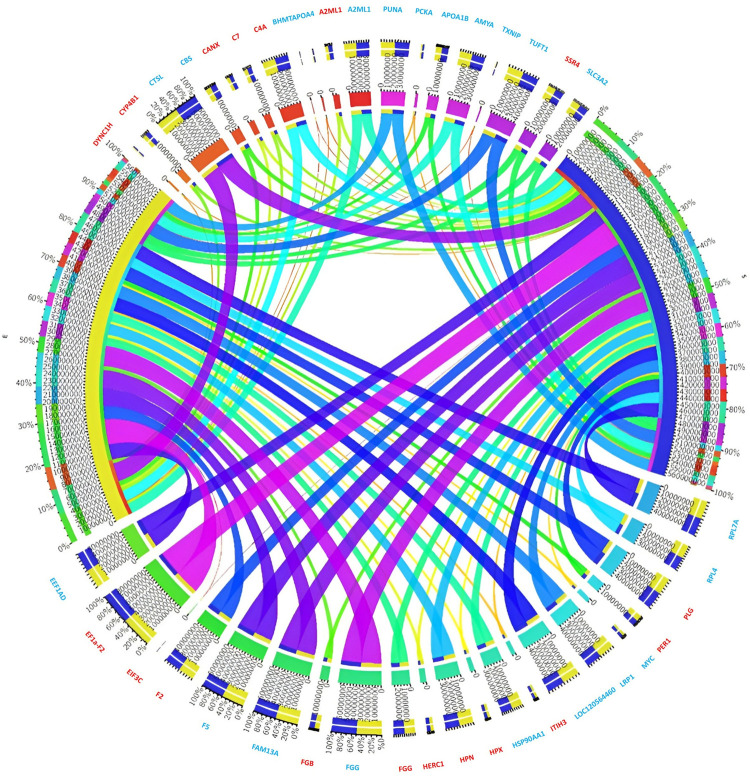
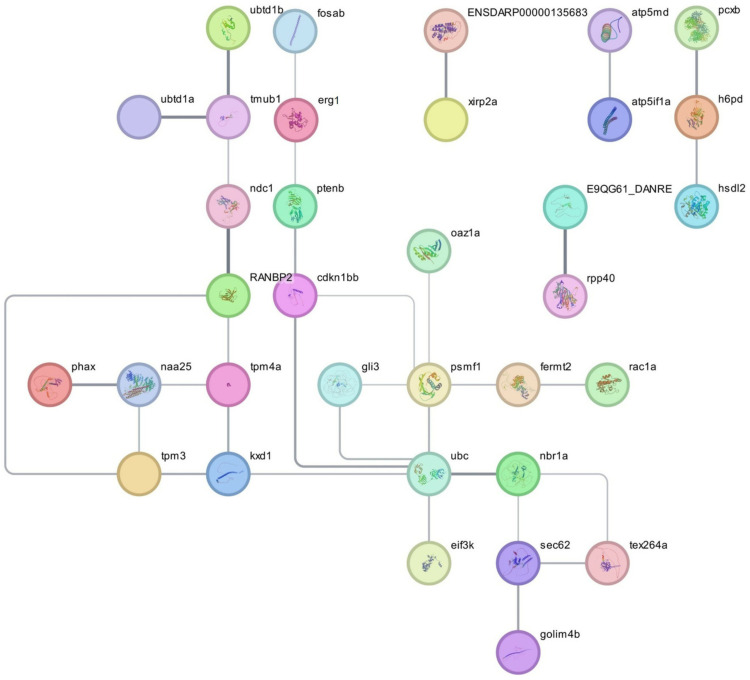
Labeo calbasu (L. calbasu) is an important detrivore fish in an ecosystem. So, the present transcriptome study was undertaken in relation to polluted and non-polluted water sources from a natural perennial river system. The Illumina NovaSeq 6000 platform was used to perform transcriptome analysis on liver samples of L. calbasu that were collected from the Ganga and Yamuna rivers. From 8744 differentially expressed genes (DEGs), 2538 were upregulated, and 6206 were downregulated in response to pollution stress. Biologic process (BP), cellular component (CC), molecular function (MF), and Gene Ontology (GO) demonstrated that relevant genes were associated with peptide metabolic process, cytosol, RNA binding, etc. In the Kyoto Encyclopedia of Genes and Genome (KEGG) analysis, ribosomal and metabolic pathways were more important due to the high False discovery rate (FDR) and the involvement of many genes. Transcripts of uncertain coding potential (TUCP) and various RNAs like mRNAs and long noncoding RNAs (lncRNAs) orchestrate fish cellular responses to environmental stressors in polluted waters, where aquatic ecosystems are threatened. FGG mRNA is co-expressed in both up and down-regulation in the liver of L. calbasu. In conclusion, L. calbasu collected from the Yamuna River have highly pollution-induced ribosomal pathways involving genes like Rpl19, rpl23Ae, rps2e, rps10e, rps15e, and rps7e, etc, which is important for pollution biomarker study. RANBP2 and egr1 lncRNA are the most significantly interlinked with ndc1 and fosab lncRNA.
Copyright: © 2025 Pradhan et al. This is an open access article distributed under the terms of the Creative Commons Attribution License, which permits unrestricted use, distribution, and reproduction in any medium, provided the original author and source are credited.
Conflict of interest statement
The authors have declared that no competing interests exist.
Figures
References
-
- Imran S, Thakur S, Jha DN, Dwivedi AC. Size composition and exploitation pattern ofLabeo calbasu (Hamilton 1822) from the lower stretch of the Yamuna river. AJBS. 2015;10(2):171–3. doi: 10.15740/has/ajbs/10.2/171-173 - DOI
-
- Amitabh Chandra D, Prakash N. Age and growth increment of Labeo calbasu (Hamilton 1822) from the Vindhyan region, Central India. Int J Aquac Fish Sci. 2021;010–3. doi: 10.17352/2455-8400.000067 - DOI
Publication types
MeSH terms
Substances
LinkOut - more resources
Full Text Sources
Miscellaneous
