


Endodontic education - present status and future directions
- PMID: 40217049
- PMCID: PMC11991914
- DOI: 10.1038/s41415-025-8404-1
Endodontic education - present status and future directions
Abstract
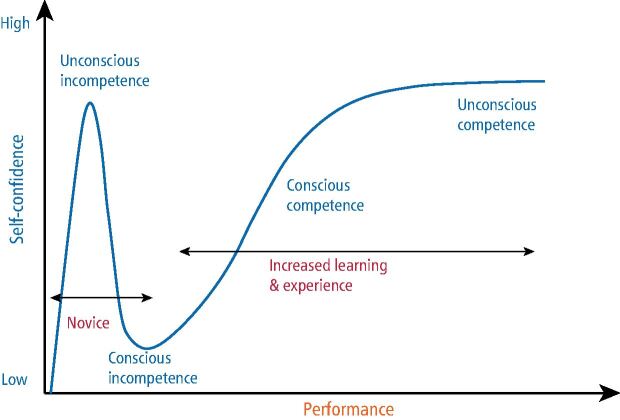
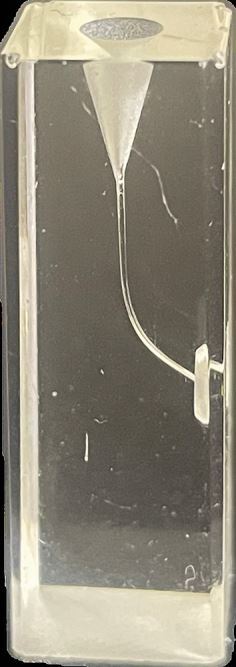
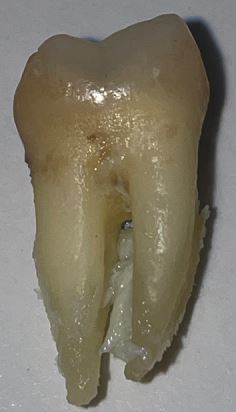
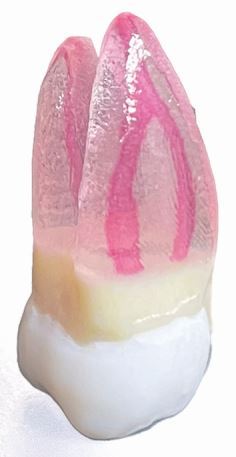
This paper explores the current landscape and future direction of endodontic education, highlighting the crucial role of individual self-efficacy in both teachers and learners. Endodontic education is influenced by a wide range of factors and frameworks that enable students to develop the scientific knowledge and procedural skills that support evidence-based practice. Educators in endodontics require appropriate training to support students through pre-clinical training and into clinical practice. This paper discusses innovative educational strategies, such as the use of additively manufactured typodonts for realistic practice and complexity progression, as well as the integration of augmented and virtual reality (AR/VR) to enhance experiential learning. Additionally, we discuss the implications of artificial intelligence (AI) in personalising learning experiences and improving diagnostic skills. Through these discussions, we identify promising directions for future research and pedagogical innovation in endodontics.
© 2025. The Author(s).
Conflict of interest statement
Ethics declaration. The authors declare no conflicts of interest.
References
-
- Qualtrough A J. Undergraduate endodontic education: what are the challenges? BrDent J 2014; 216: 361-364. - PubMed
-
- Baaji A, Kruse C, Whitworth J, Jarad F. EUROPEAN SOCIETY OF ENDODONTOLOGY Undergraduate Curriculum Guidelines for Endodontology. IntEndodont J 2024; 57: 982-995. - PubMed
-
- Bandura A. Perceived self-efficacy in cognitive development and functioning. EducPsychol 1993; 28: 117-148.
Publication types
MeSH terms
LinkOut - more resources
Full Text Sources
Research Materials
