


Impact of hypertension knowledge on adherence to antihypertensive therapy: a cross-sectional study in primary health care centers during the 2024 Sudan conflict
- PMID: 40217152
- PMCID: PMC11987230
- DOI: 10.1186/s12875-025-02812-2
Impact of hypertension knowledge on adherence to antihypertensive therapy: a cross-sectional study in primary health care centers during the 2024 Sudan conflict
Abstract
Background: Hypertension is a global health issue, particularly in low- and middle-income countries. Effective management requires medication adherence, which is often compromised in conflict zones such as Sudan. This study examines the relationship between patients' knowledge of hypertension and their adherence to antihypertensive therapy in Sudan amidst ongoing conflict.
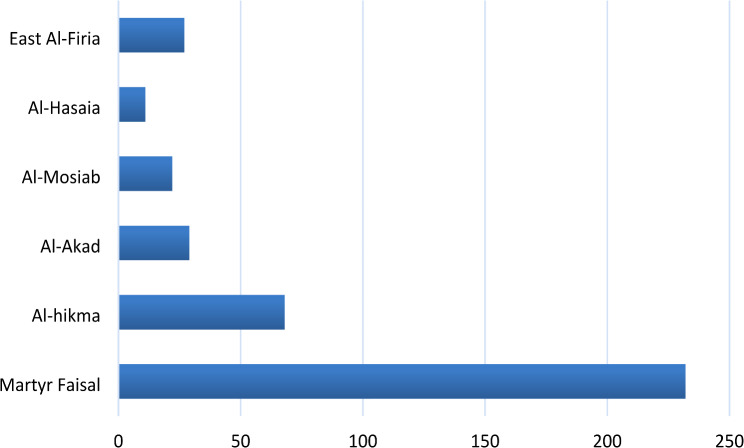
Methods: A cross-sectional study conducted across six primary healthcare centers in Al-Dammer, Sudan, included 389 hypertensive patients selected through convenience sampling. Data were collected using face-to-face questionnaire that assessed sociodemographics, medication adherence (GMAS), and hypertension knowledge (HKT). Analyses were conducted in SPSS, with percentages for categorical data, means ± SD for continuous data, and nonparametric tests (Shapiro-Wilk, Kruskal-Wallis) for non-normal distributions.
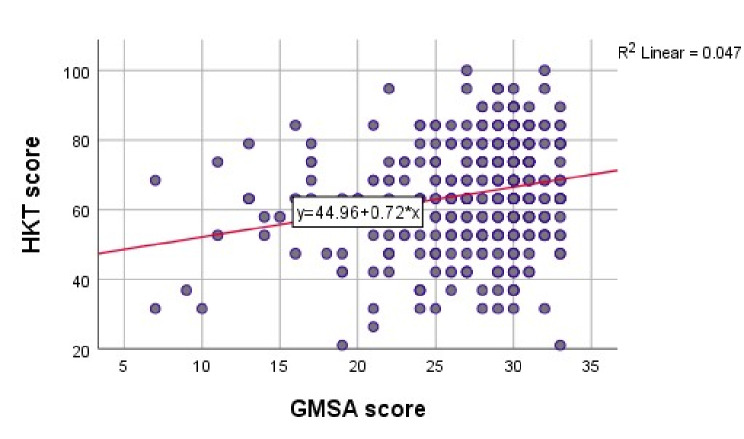
Results: Most participants were female (63%), and 43.7% were over 60 years old. Knowledge levels were categorized as average (57.8%), high (25.2%), and low (17%). Adherence rates were as follows: 1% poor, 2.8% low, 22.6% partial, 26.5% good, and 47% high. A positive correlation was found between knowledge and adherence (r = 0.47, p < 0.001). Major barriers to adherence included affordability (43.4%) and unavailability of medications (36.2%). While 82.3% of participants had a history of controlled hypertension, only 58.4% remained controlled at their most recent measurement, with 41.6% presenting uncontrolled blood pressure, highlighting challenges in sustained hypertension management. Improved adherence was associated with higher income, better education, and controlled blood pressure.
Conclusion: Higher hypertension knowledge was significantly associated with better adherence and improved blood pressure control. However, sustained control remains a challenge, as 41.6% of participants had uncontrolled hypertension at their last measurement. Addressing economic barriers and medication shortages through targeted interventions is essential for improving long-term hypertension management in conflict settings.
Keywords: Hypertension; Medication adherence; Patient knowledge; Primary health care centers; Sociodemographic factors; Sudan; War.
© 2025. The Author(s).
Conflict of interest statement
Declarations. Consent for publication: The study was conducted according to the Helsinki Declaration, consent for publication was obtained from all participants as part of the informed consent process. The participants were informed that the data collected would be used for research purposes and that the findings would be published in scientific journals without revealing their identities. Competing interests: The authors declare no competing interests. Clinical trial number: Not applicable.
Figures
References
-
- Lloyd-Jones D. General population and global cardiovascular risk prediction. In: hypertension: A companion to Braunwald’s heart disease. Section 2018;1:1. 3rd ed.
-
- WHO. A global brief on hypertension: Silent killer, public health crisis. 2013.
-
- World Health Organization. Global report on hypertension: the race against a silent killer. Geneva: WHO; 2023. License: CC BY-NC-SA 3.0 IGO.
-
- World Health Organization. Global Status Report on Noncommunicable Diseases 2010. Geneva: WHO. 2011 [cited 2024 Nov 27]. Available from: https://www.who.int/nmh/publications/ncd_report2010/en/
-
- World Health Organization. Hypertension– Key Facts. Geneva: WHO; [cited 2024 Nov 27]. Available from: https://www.who.int/news-room/fact-sheets/detail/hypertension
MeSH terms
Substances
LinkOut - more resources
Full Text Sources
Medical