


Evaluating the diagnostic validity of CBCL-OCS in Chinese children and adolescents with OCD
- PMID: 40217209
- PMCID: PMC11992804
- DOI: 10.1186/s12888-025-06724-4
Evaluating the diagnostic validity of CBCL-OCS in Chinese children and adolescents with OCD
Abstract
Background and objectives: Obsessive-compulsive disorder (OCD) is recognized globally as a serious mental health concern among children and adolescents. Accurate early diagnosis and intervention are crucial for effective management and improving patient outcomes. The primary objective of this study was to evaluate the diagnostic validity of the Child Behavior Checklist-Obsessive Compulsive Scale (CBCL-OCS) in Chinese children and adolescents, ensuring its cultural adaptability. The secondary objective was to explore the clinical characteristics of OCD, including prevalence, symptom severity, and comorbidities.
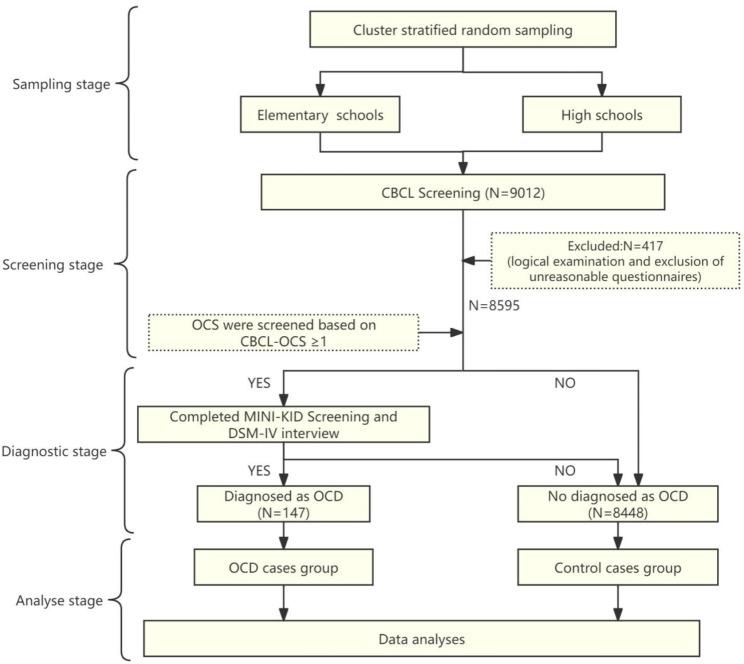
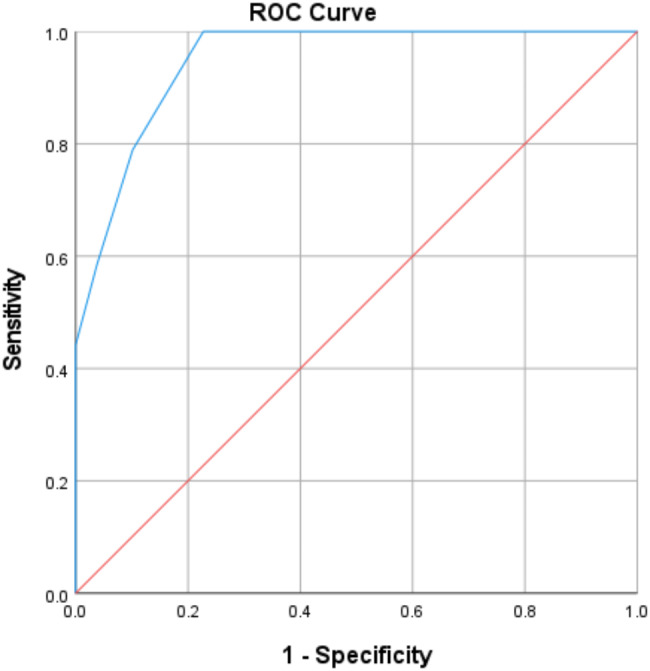
Methods: A cross-sectional epidemiological survey was conducted among 8,595 middle school students in Liaoning Province, China. The CBCL-OCS was employed as the primary screening tool. The optimal cutoff value for OCD screening was determined through receiver operating characteristic (ROC) curve analysis.
Results: The study found an OCD prevalence of 1.710%, which was consistent with the global estimation. ROC analysis determined a cutoff score of 2.5 for CBCL-OCS, with a sensitivity of 0.789 and a specificity of 0.899. Furthermore, adolescents exhibited significantly higher CBCL-OCS scores compared to younger children, suggesting an increase in OCD severity with age. Significant associations were also found between OCD symptoms and comorbid emotional disorders, behavioral problems, and anxiety symptoms.
Conclusions: This study confirms the utility of CBCL-OCS as an effective early screening tool for OCD in Chinese middle school students, highlighting its sensitivity and specificity, and cultural adaptability. Results contributed valuable insights to the epidemiology of OCD among children and adolescents, underscoring the need for targeted interventions during critical developmental periods, especially in adolescence.
Keywords: CBCL-OCS; Children and adolescents; Epidemiology; OCD.
© 2025. The Author(s).
Conflict of interest statement
Declarations. Ethical approval and consent to participate: All subjects with their patients voluntarily joined this study with informed consent. The protocol was approved by the Ethics Committee of the Beijing children’s Hospital, Capital Medical University. The study was conducted in accordance with the Declaration of Helsinki. All participants and their guardians received written informed consent, and effective communication and notification were ensured. Consent for publication: Not applicable. Competing interests: The authors declare no competing interests.
Figures
References
-
- Achenbach TM, Edelbrock CS. Manual for the child behavior checklist and revised child behavior profile. Burlington, VT: T.M. Achenbach; 1983.
-
- Achenbach TM. Manual for the child behavior checklist/4–18 and 1991 profile. Burlington, VT: Dept. of Psychiatry, University of Vermont; 1991.
-
- Diler RS, Avci A. Sociodemographic and clinical characteristics of Turkish children and adolescents with obsessive-compulsive disorder. Croat Med J. 2002;43(3):324–9. - PubMed
MeSH terms
Supplementary concepts
Grants and funding
LinkOut - more resources
Full Text Sources
Medical
