


Explainable AI for enhanced accuracy in malaria diagnosis using ensemble machine learning models
- PMID: 40217281
- PMCID: PMC11987329
- DOI: 10.1186/s12911-025-02874-3
Explainable AI for enhanced accuracy in malaria diagnosis using ensemble machine learning models
Abstract
Background: Malaria, an infectious disease caused by protozoan parasites belonging to the Plasmodium genus, remains a significant public health challenge, with African regions bearing the heaviest burden. Machine learning techniques have shown great promise in improving the diagnosis of infectious diseases, such as malaria.
Objectives: This study aims to integrate ensemble machine learning models and Explainable Artificial Intelligence (XAI) frameworks to enhance the diagnosis accuracy of malaria.
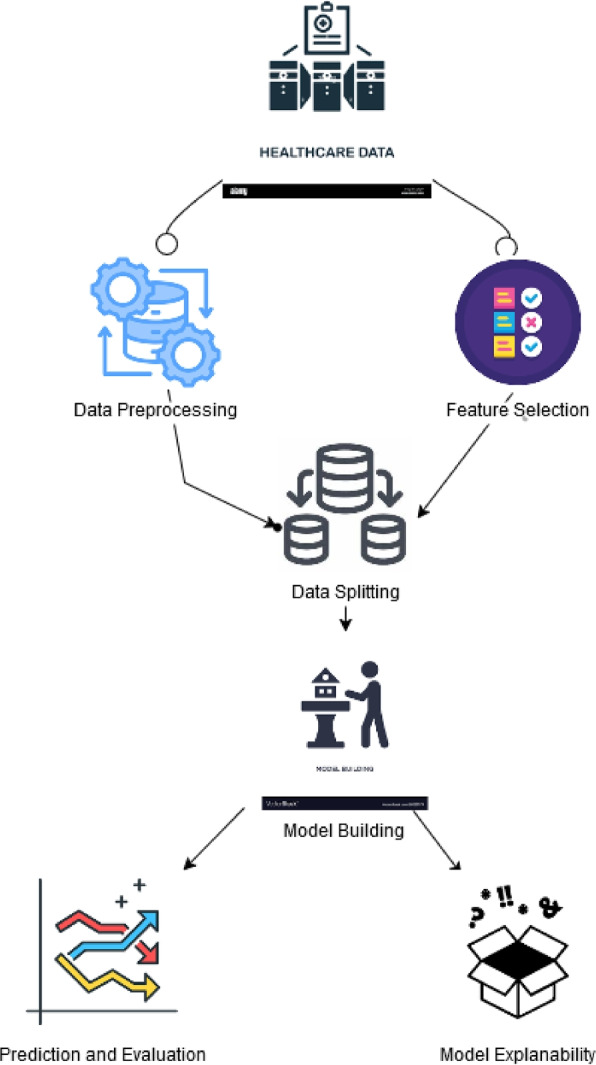
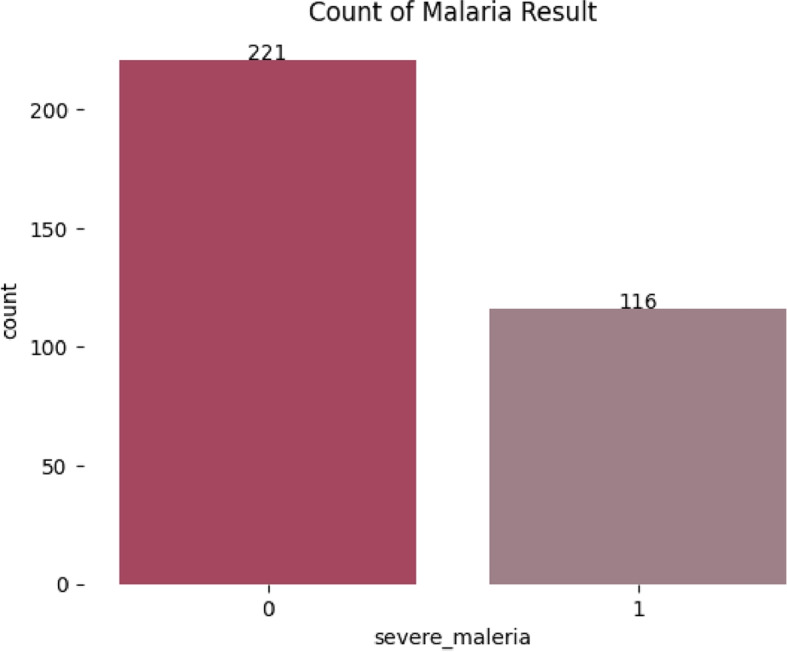
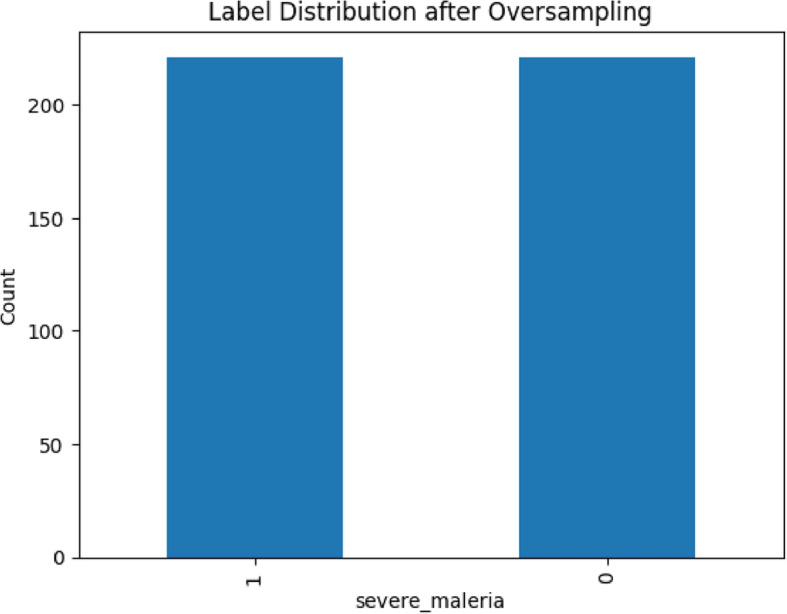
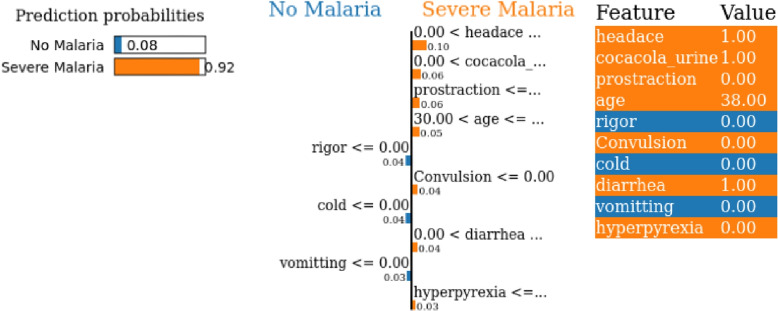
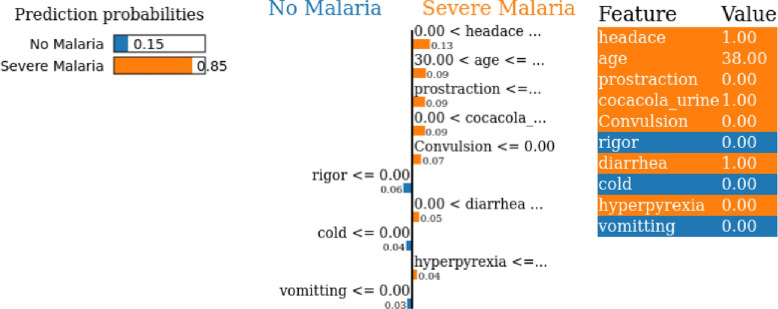
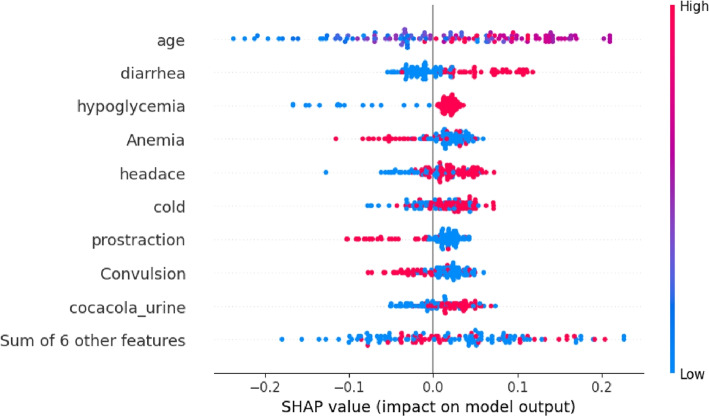
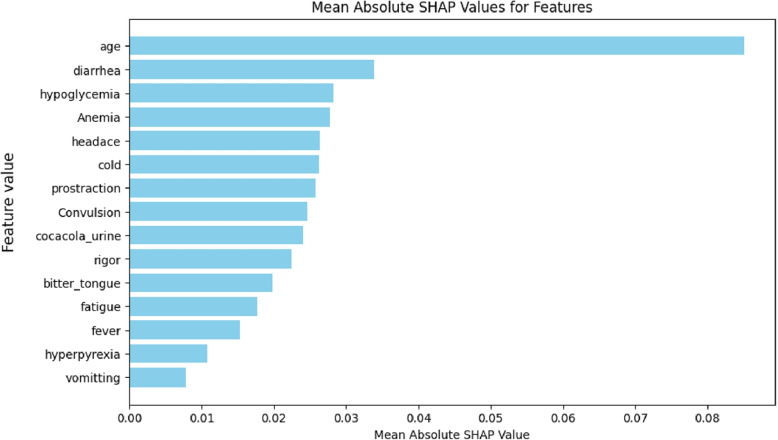
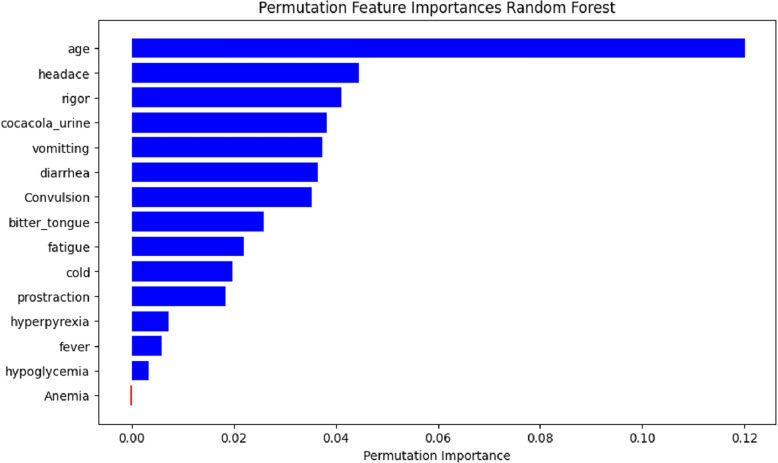
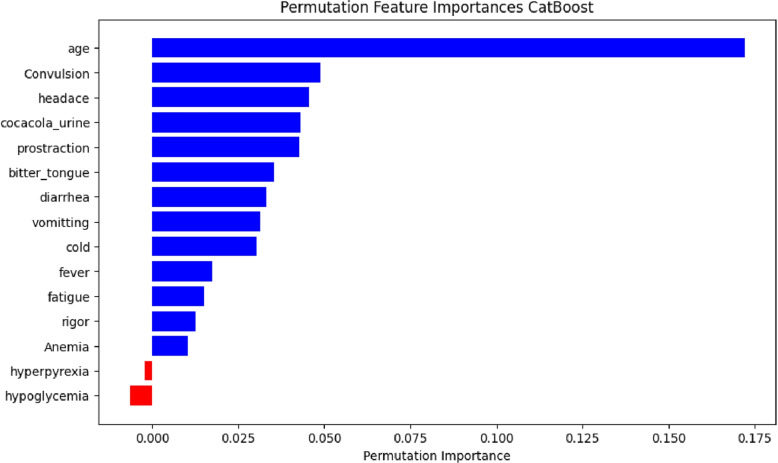
Methods: The study utilized a dataset from the Federal Polytechnic Ilaro Medical Centre, Ilaro, Ogun State, Nigeria, which includes information from 337 patients aged between 3 and 77 years (180 females and 157 males) over a 4-week period. Ensemble methods, namely Random Forest, AdaBoost, Gradient Boost, XGBoost, and CatBoost, were employed after addressing class imbalance through oversampling techniques. Explainable AI techniques, such as LIME, Shapley Additive Explanations (SHAP) and Permutation Feature Importance, were utilized to enhance transparency and interpretability.
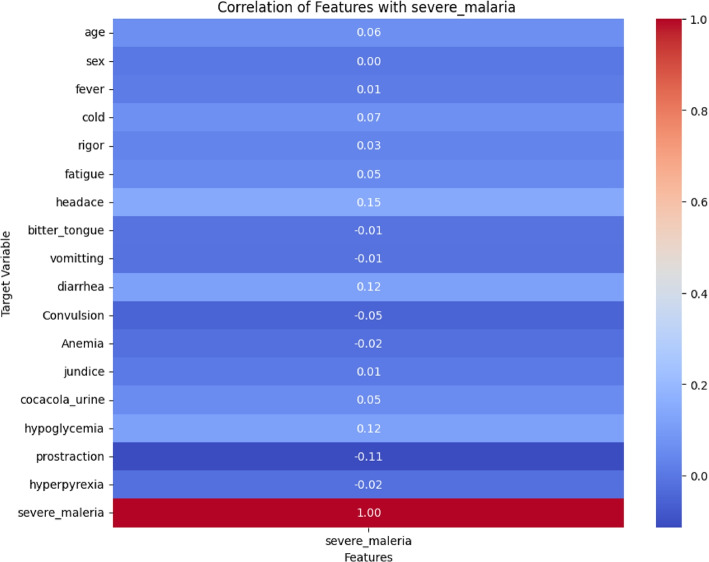
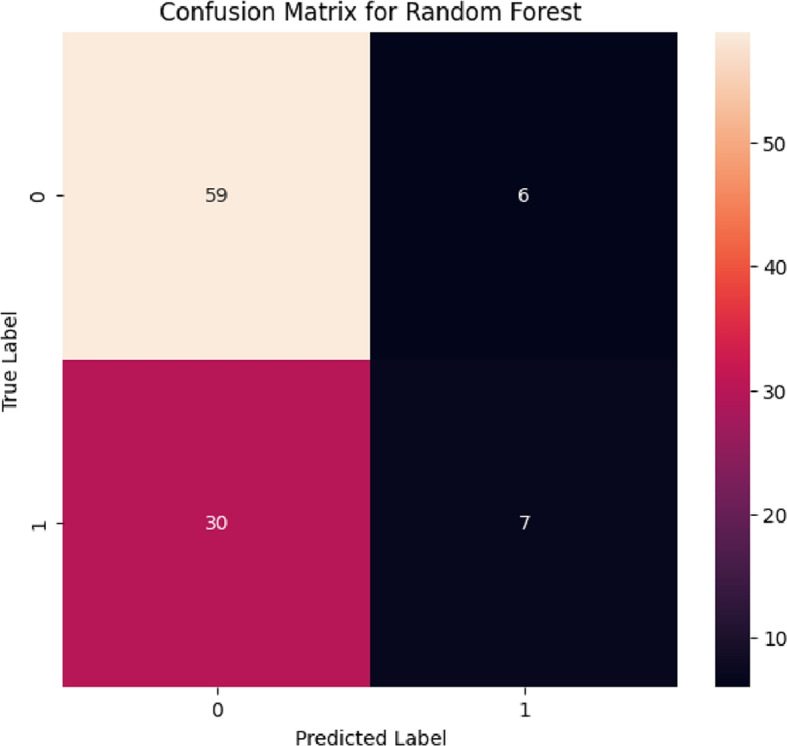
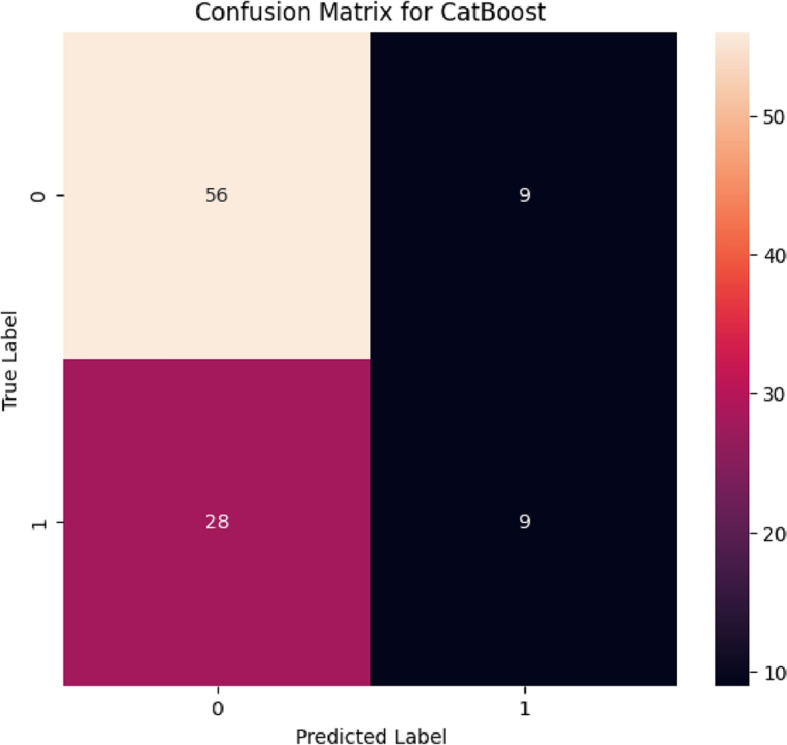
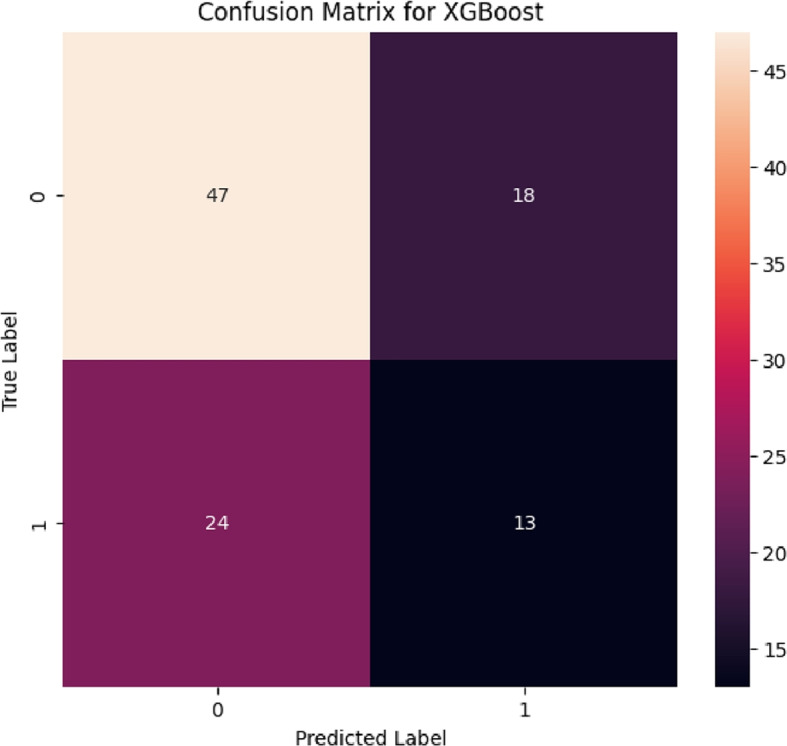
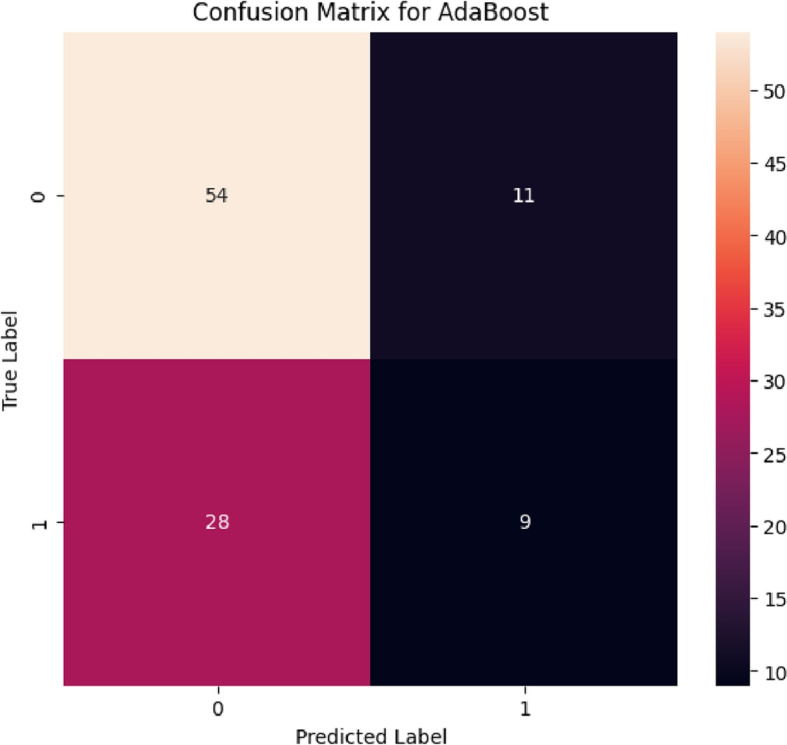
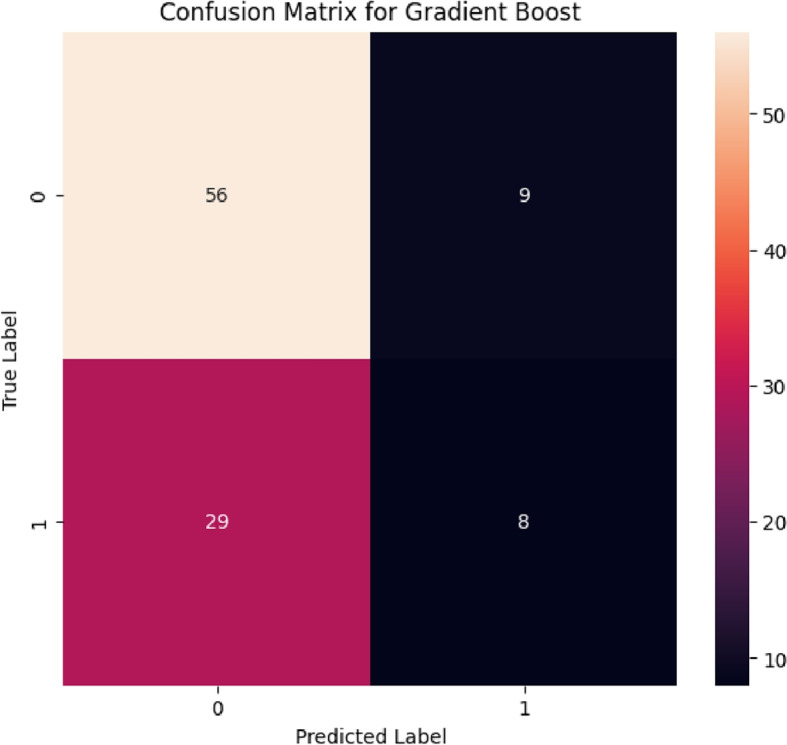
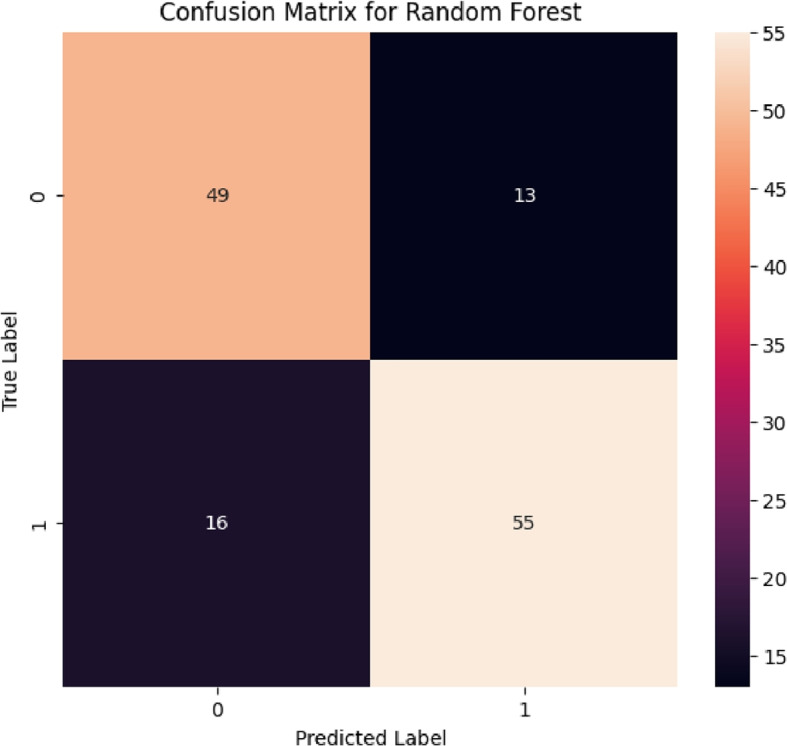
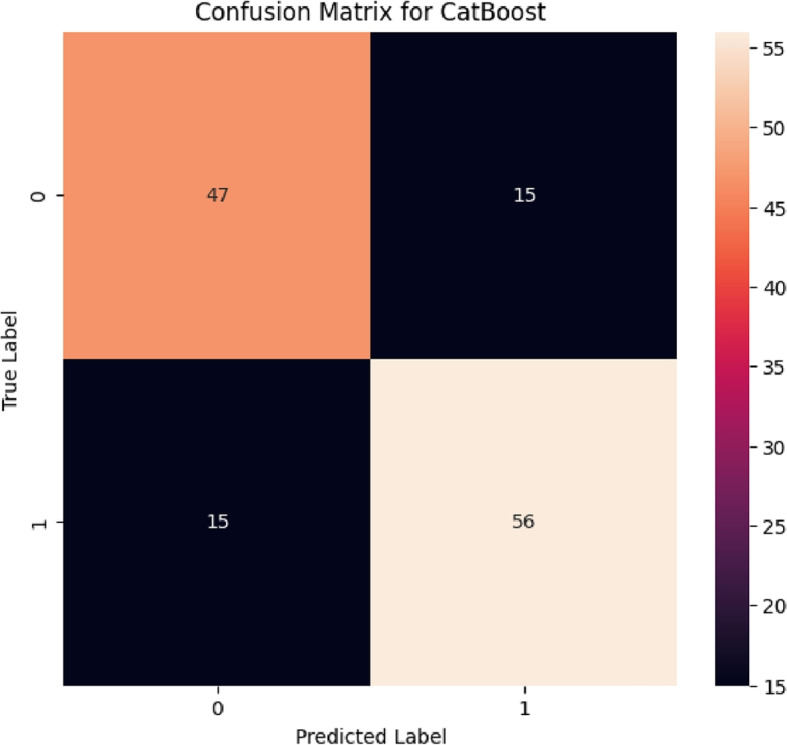
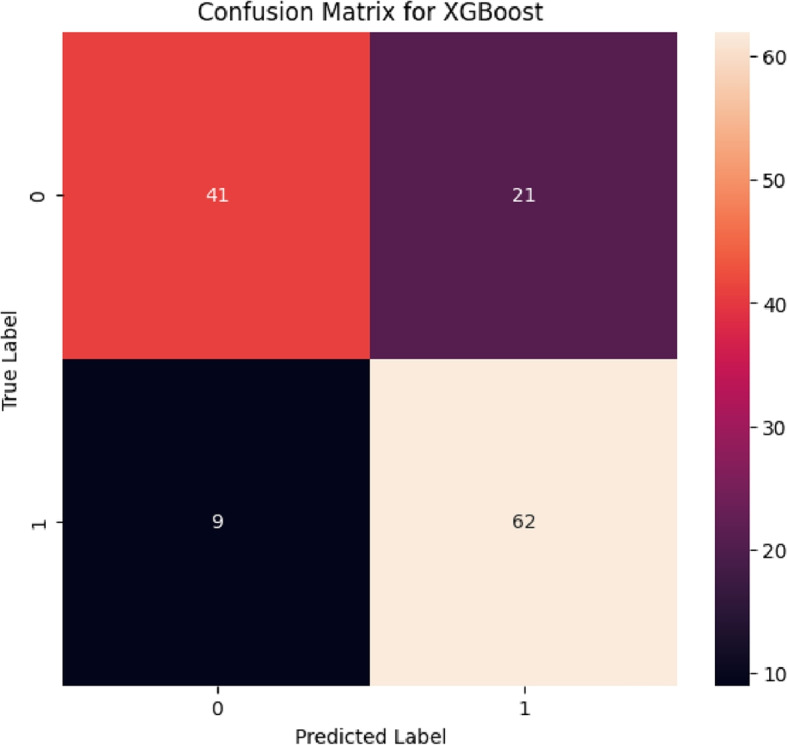
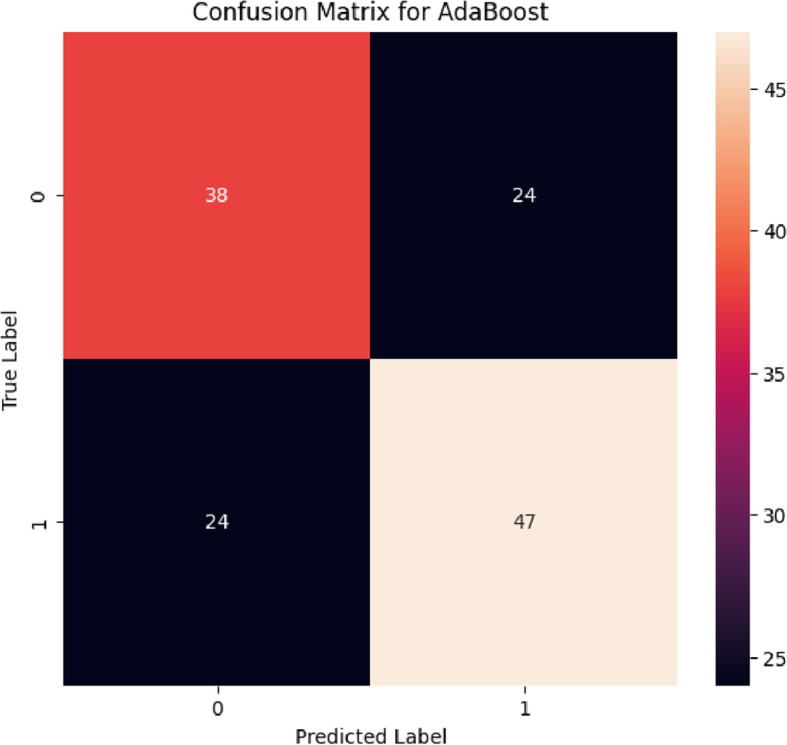
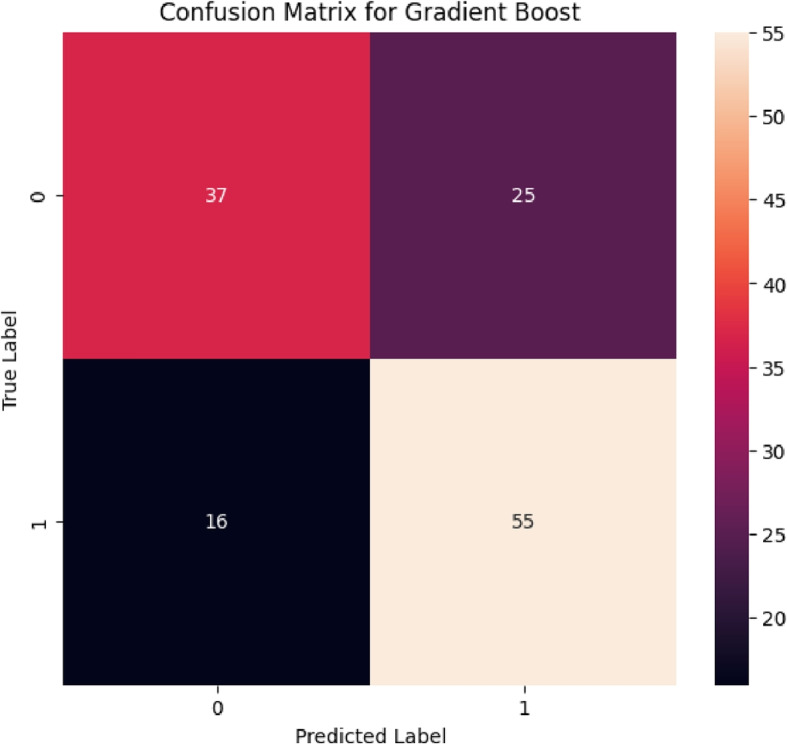
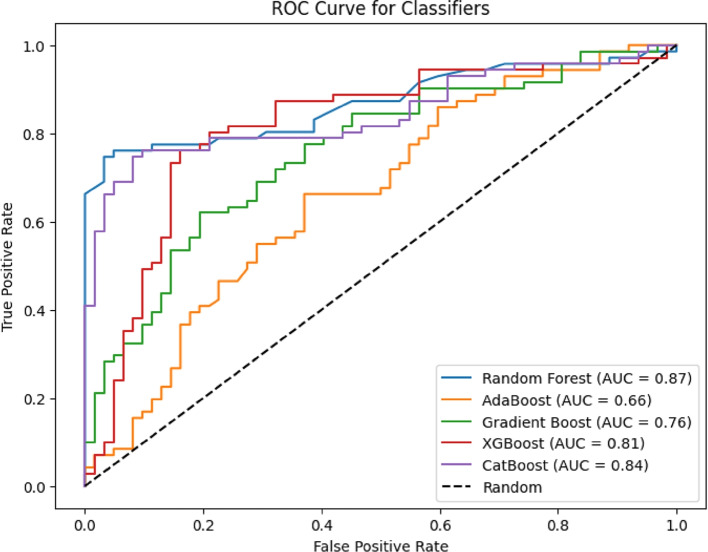
Results: Among the ensemble models, Random Forest demonstrated the highest performance with an ROC AUC score of 0.869, followed closely by CatBoost at 0.787. XGBoost, Gradient Boost, and AdaBoost achieved ROC AUC scores of 0.770, 0.747, and 0.633, respectively. These methods evaluated the influence of different characteristics on the probability of malaria diagnosis, revealing critical features that contribute to prediction outcomes.
Conclusion: By integrating ensemble machine learning models with explainable AI frameworks, the study promoted transparency in decision-making processes, thereby empowering healthcare providers with actionable insights for improved treatment strategies and enhanced patient outcomes, particularly in malaria management.
Keywords: Binary classification; Malaria diagnosis; Nigeria; Prediction; Symptoms.
© 2025. The Author(s).
Conflict of interest statement
Declarations. Ethics approval and consent to participate: Not applicable. Consent for publication: Not applicable. Competing interests: The authors declare no competing interests.
Figures
References
-
- Bhardwaj R, Nambiar AR, Dutta D. A study of machine learning in healthcare. In: 2017 IEEE 41st annual computer software and applications conference (COMPSAC). Turin: IEEE; 2017. vol. 2. pp. 236–41. 10.1109/COMPSAC.2017.164.
-
- Awe OO, Adepoju JM, Boniface E, Awe OD. Comparative Analysis of Random Forest and Neural Networks for Anemia Prediction in Female Adolescents: A LIME-Based Explainability Approach. In: Practical Statistical Learning and Data Science Methods: Case Studies from LISA 2020 Global Network, USA. STEAM-H: Science, Technology, Engineering, Agriculture, Mathematics & Health Practical Statistical Learning and Data Science Methods. Switzerland: Springer Nature; 2024. pp. 555–73.
MeSH terms
LinkOut - more resources
Full Text Sources
Other Literature Sources
Medical
Research Materials
