


Postpartum Depression Epidemiology, Risk Factors, Diagnosis, and Management: An Appraisal of the Current Knowledge and Future Perspectives
- PMID: 40217868
- PMCID: PMC11989329
- DOI: 10.3390/jcm14072418
Postpartum Depression Epidemiology, Risk Factors, Diagnosis, and Management: An Appraisal of the Current Knowledge and Future Perspectives
Abstract
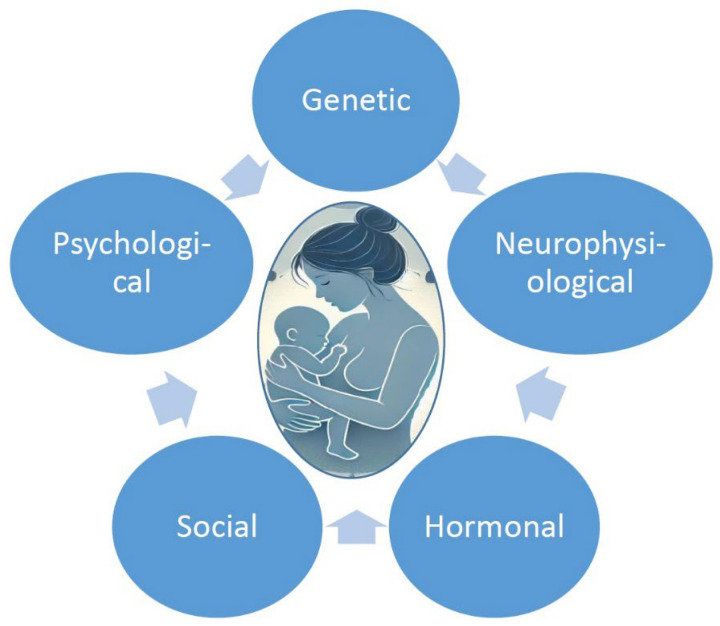
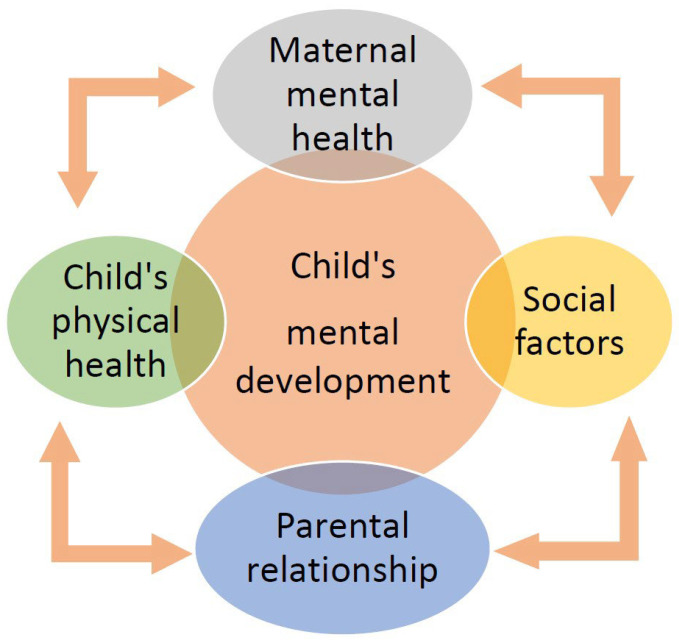
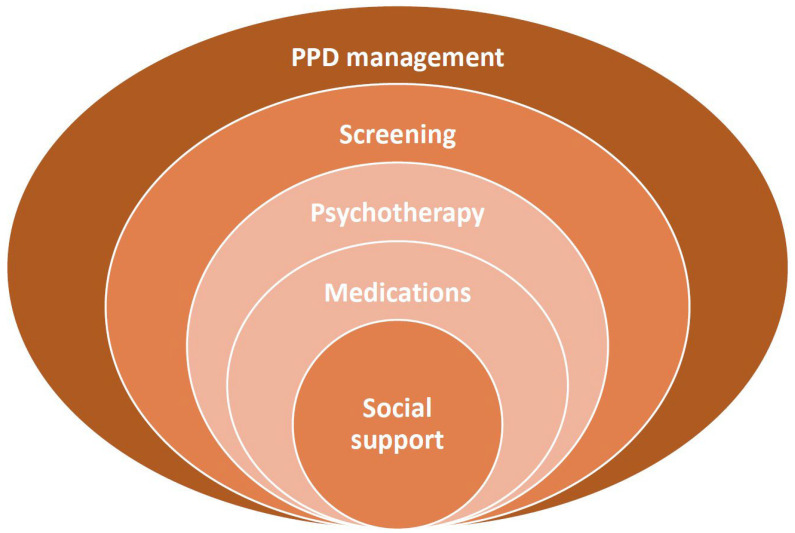
Postpartum depression (PPD) is a severe mental health condition that affects women following childbirth and is marked by persistent sadness, anxiety, fatigue, and difficulty functioning. Unlike the temporary "baby blues", PPD is more severe and long-lasting, potentially leading to negative consequences for mother and child. Globally, PPD impacts approximately 10-20% of postpartum women, with prevalence influenced by genetic, hormonal, psychological, and socio-environmental factors. Early detection is crucial, with screening tools such as the Edinburgh Postnatal Depression Scale (EPDS) commonly used in clinical practice. Treatment options include pharmacological interventions such as selective serotonin reuptake inhibitors (SSRIs), psychological therapies like cognitive behavioral therapy (CBT) and interpersonal therapy (IPT), and lifestyle modifications. Despite the growing awareness of PPD, stigma remains a significant barrier to treatment, discouraging many women from seeking help. In low-income countries, where mental health care is often underfunded, accessing professionals trained in perinatal mental health presents an even greater challenge. This gap underscores the urgent need for a collaborative, multidisciplinary approach involving obstetricians, psychiatrists, pediatricians, and midwives to ensure comprehensive support and care for affected individuals.
Keywords: Edinburgh Postnatal Depression Scale; cognitive behavioral therapy; interpersonal therapy; maternal mental health; perinatal depression; pharmacological treatment; postpartum depression; risk factors.
Conflict of interest statement
The authors declare no conflicts of interest.
Figures
References
-
- O’Hara M.W., McCabe J.E. Postpartum depression current status and future directions. Annu. Rev. Clin. Psychol. 2013;9:379–407. - PubMed
-
- Radoš S.N., Akik B.K., Žutić M., Rodriguez-Muñoz M.F., Uriko K., Motrico E., Moreno-Peral P., Apter G., den Berg M.L. Diagnosis of peripartum depression disorder: A state-of-the-art approach from the COST Action Riseup-PPD. Compr. Psychiatry. 2024;130:152456. - PubMed
Publication types
LinkOut - more resources
Full Text Sources
Miscellaneous
