


Factors Predicting CT Pulmonary Angiography Results in the Emergency Department
- PMID: 40218178
- PMCID: PMC11988742
- DOI: 10.3390/diagnostics15070827
Factors Predicting CT Pulmonary Angiography Results in the Emergency Department
Abstract
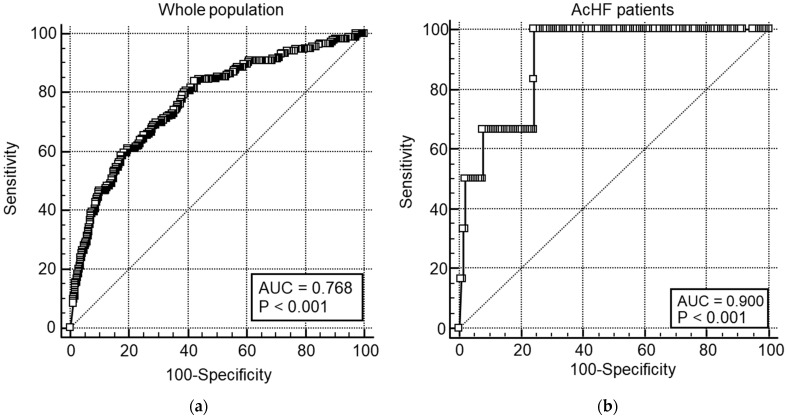
Background: Pulmonary embolism (PE) remains a major concern in emergency patients presenting with respiratory symptoms, with an increase in the demand for CT pulmonary angiography (CTPA) and low yields of this ever more sensitive test. We wanted to investigate factors associated with pulmonary embolism on CTPA, aiming to reduce unnecessary requests. Methods: In a single-center, retrospective study, we analyzed all CTPA reports for emergency patients during the year 2023. Various patients' variables were evaluated for associations with the presence/absence of PE, including the presence or absence of pulmonary pathology identified prior to the CTPA order. Results: A total of 1555 CTPA reports were analyzed, of which 278 (17.9%) were positive for PE. The highest ORs (40.9) for PE were found for patients diagnosed with DVT prior to CTPA. The lowest odds ratios of having PE were found for patients with acute congestive heart failure (OR = 0.141), especially in the absence of cancer (OR = 0.089) and for patients with hypercapnia in COPD exacerbation (OR = 0.062). Tachycardia and hypoxemia were the physiological variables positively associated with PE, while hypercapnia was negatively associated with PE. For patients with heart failure, COPD exacerbation, and pneumonia, higher D-dimer cut-off values (3.87 mg/L, 1.25 mg/L, and 1.34 mg/L, respectively) were found to retain 100% sensitivity for PE. Conclusions: Stricter criteria for CTPA orders in the presence of other pulmonary pathologies may reduce unnecessary scanning. Higher D-dimer cut-off values in such cases may lead to higher specificity without sacrificing sensitivity.
Keywords: COPD exacerbation; CTPA yield; D-dimer; heart failure; predictive factors; pulmonary embolism.
Conflict of interest statement
The authors declare no conflicts of interest.
Figures
References
-
- Barco S., Valerio L., Gallo A., Turatti G., Mahmoudpour S.H., Ageno W., Castellucci L.A., Cesarman-Maus G., Ddungu H., De Paula E.V., et al. Global Reporting of Pulmonary Embolism–Related Deaths in the World Health Organization Mortality Database: Vital Registration Data from 123 Countries. Res. Pract. Thromb. Haemost. 2021;5:e12520. doi: 10.1002/rth2.12520. - DOI - PMC - PubMed
-
- Guijarro R., Trujillo-Santos J., Bernal-Lopez M.R., de Miguel-Díez J., Villalobos A., Salazar C., Fernandez-Fernandez R., Guijarro-Contreras A., Gómez-Huelgas R., Monreal M. Trend and Seasonality in Hospitalizations for Pulmonary Embolism: A Time-series Analysis. J. Thromb. Haemost. 2015;13:23–30. doi: 10.1111/jth.12772. - DOI - PubMed
LinkOut - more resources
Full Text Sources
