


Vitamin D exerts endogenous control over TH2 cell fate and immune plasticity
- PMID: 40224021
- PMCID: PMC11987635
- DOI: 10.1016/j.isci.2025.112117
Vitamin D exerts endogenous control over TH2 cell fate and immune plasticity
Abstract
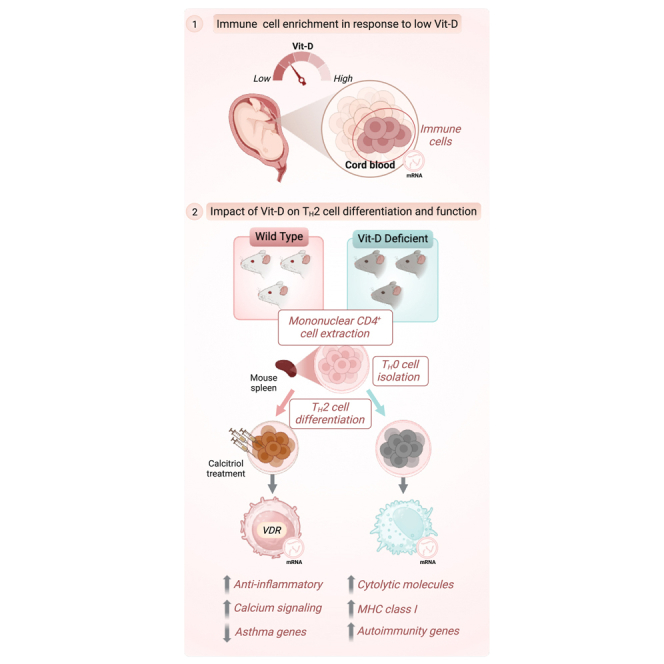
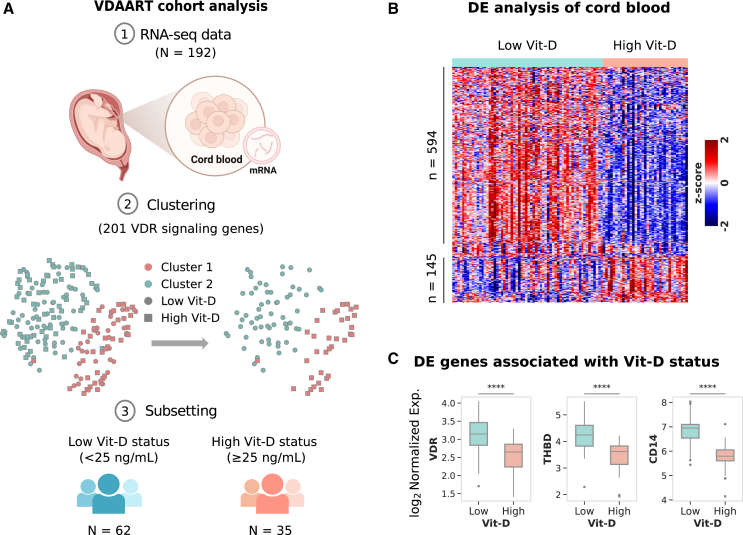
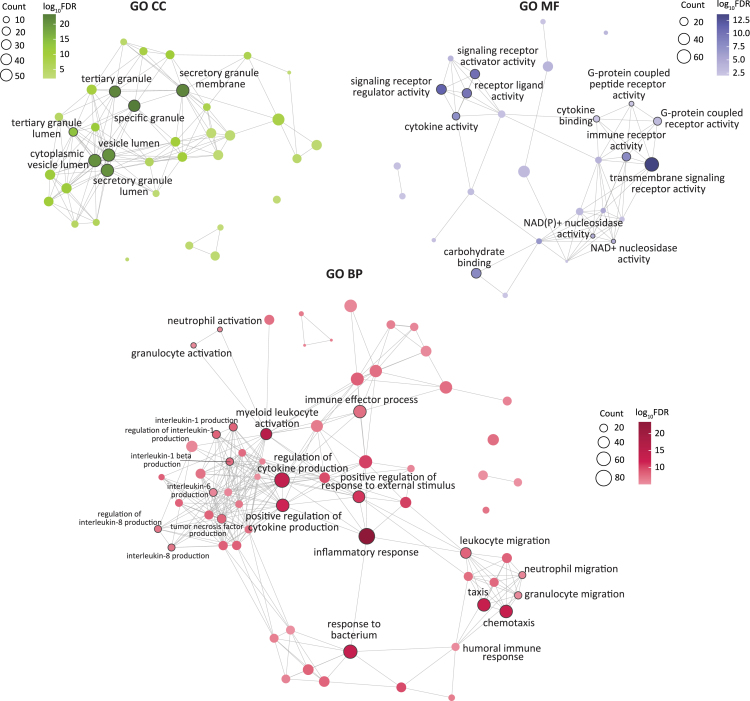
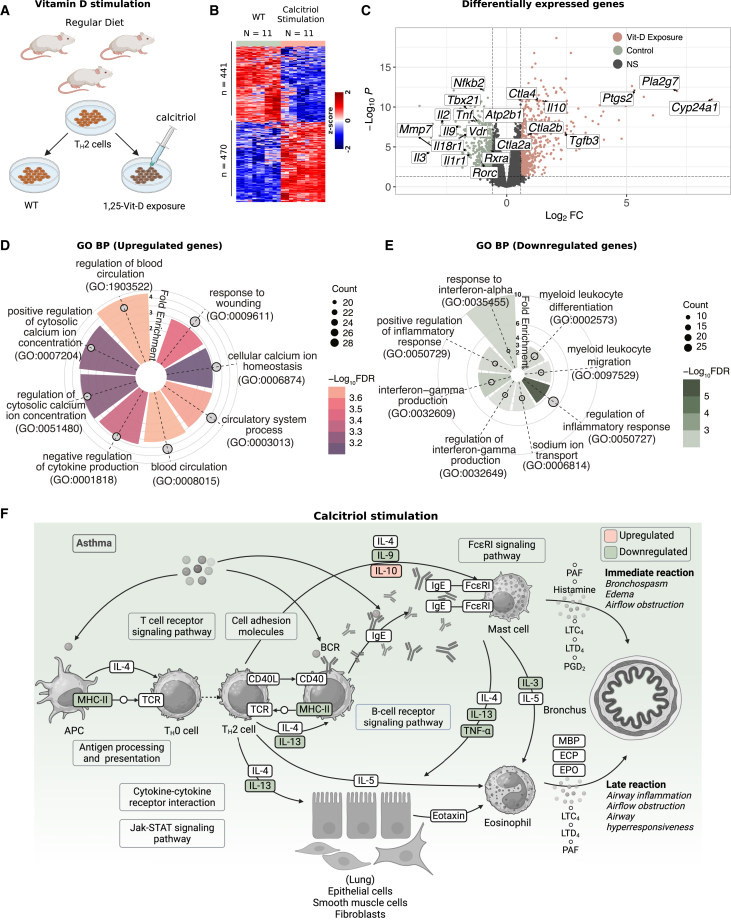
Circulating Vitamin D (Vit-D) has emerged as a potent immune modulator in asthma, yet its direct impact on TH2 cell regulation, the central effectors of allergic inflammation, remains unclear. Preliminary transcriptomic analysis of neonatal cord blood revealed that gestational Vit-D deficiency corresponds to elevated adaptive and innate immune responses, driven by TH2 immunity and antimicrobial responses related to asthma inflammation. To elucidate cell-specific molecular mechanisms of Vit-D, we differentiated murine TH2 cells in vitro under conditions mimicking Vit-D sufficiency and deficiency. Our findings demonstrate that Vit-D exposure promotes intracellular calcium ion homeostasis while suppressing prominent inflammatory cytokines characteristic of asthma. Conversely, Vit-D deficiency reprograms TH2 cell lineage commitment, inducing overexpression of cytolytic molecules and major histocompatibility complex (MHC) class I molecules-traits typically associated with cytotoxicity rather than the canonical helper function. Our findings underscore Vit-D's role in stabilizing TH2 cell function and fate, offering insights into asthma and autoimmune disorders.
Keywords: biological sciences; immune response; transcriptomics.
© 2025 The Authors.
Conflict of interest statement
Scott T. Weiss and Augusto A. Litonjua receive royalties from UpToDate. Scott T. Weiss serves as a board member of Histolix, a digital pathology company. The remaining authors declare no competing interests.
Figures
References
-
- Venkatesan P. 2023 GINA report for asthma. Lancet Respir. Med. 2023;11:589. - PubMed
LinkOut - more resources
Full Text Sources
Research Materials
